

Are you unsure whether to use sunflower oil or olive oil in your kitchen? Both oils have their own strengths. Discover which oil suits your way of cooking, your health goals, and your taste preferences.
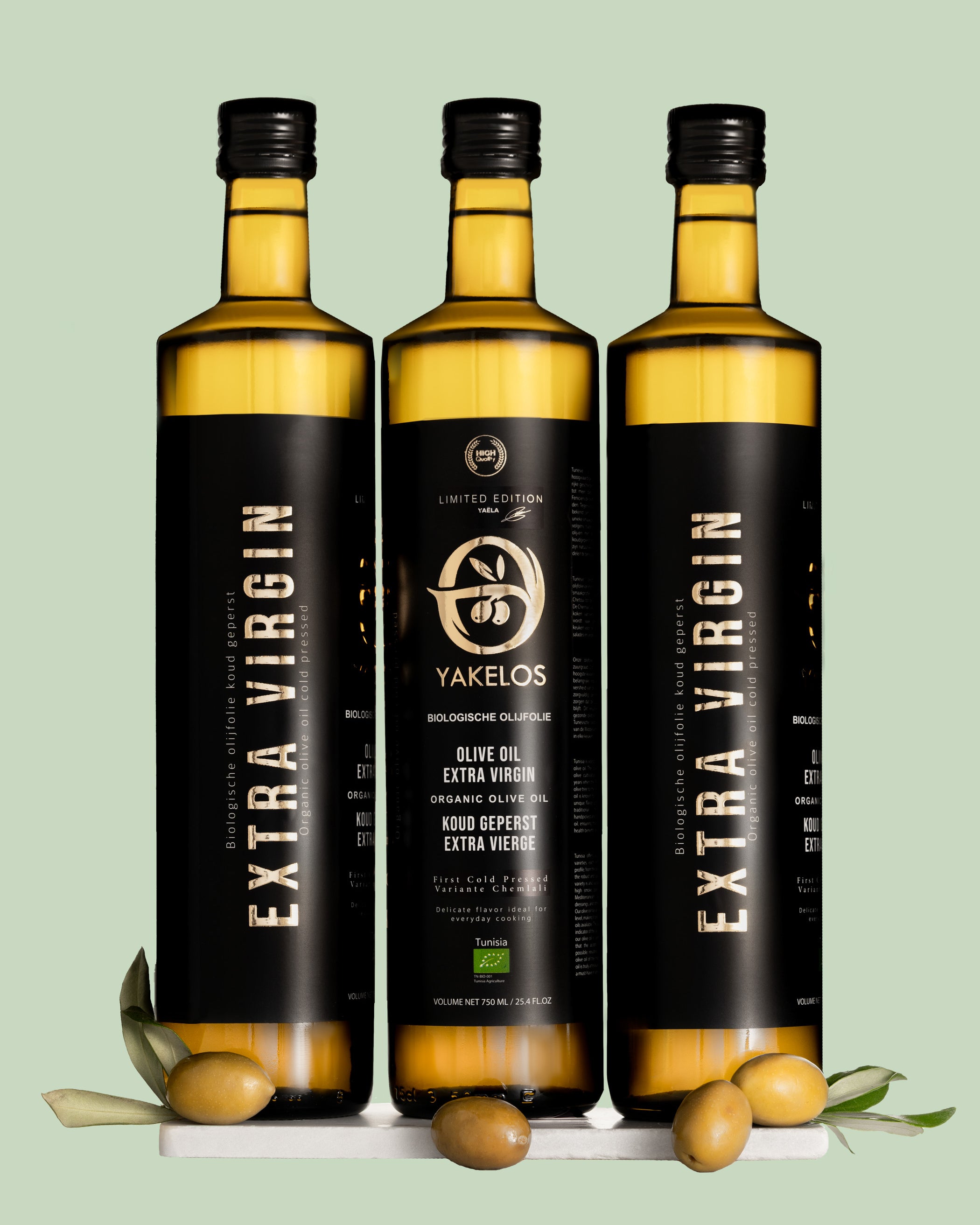
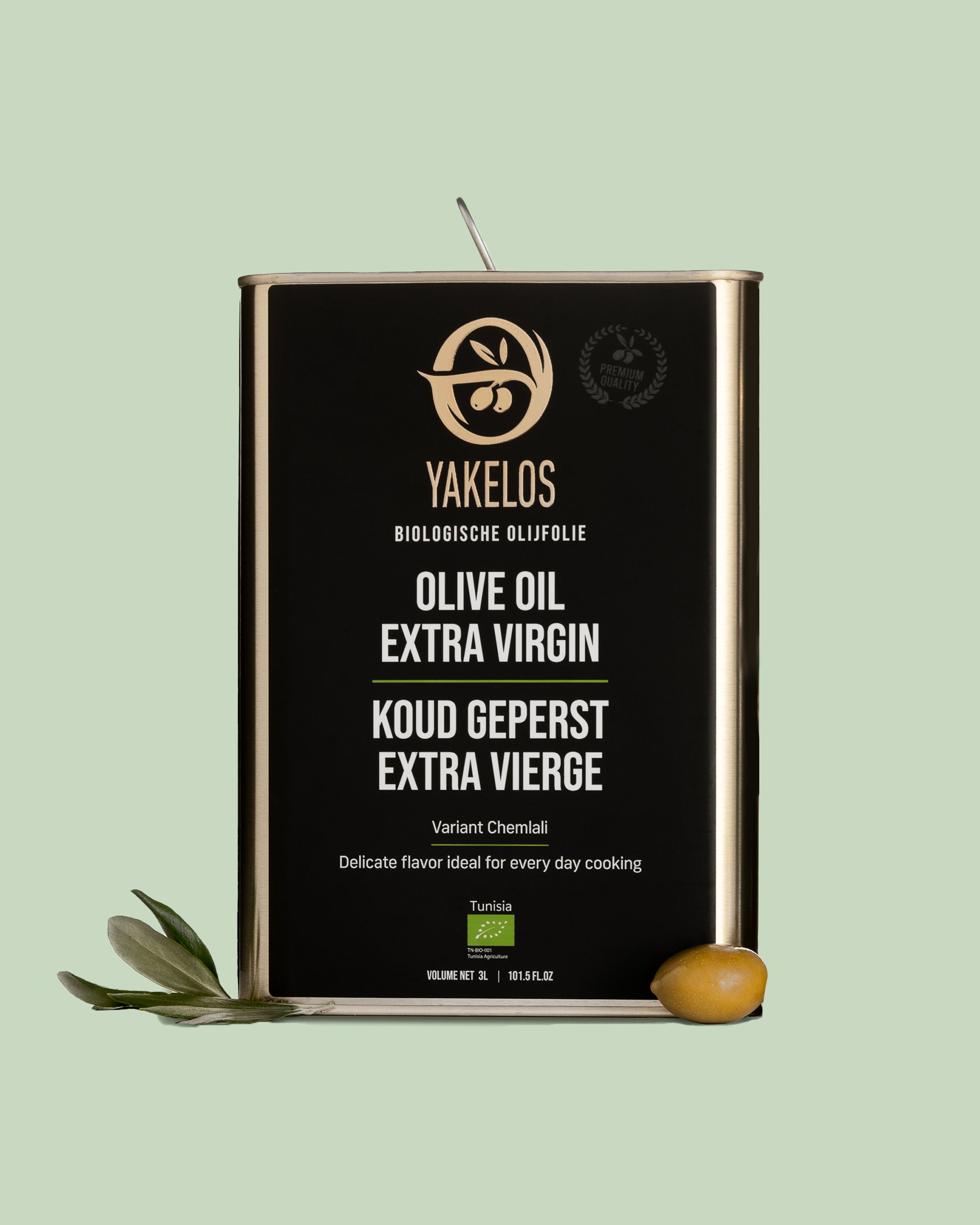
Discover our extra virgin olive oil
What Are Olive Oil and Sunflower Oil?
Olive oil and sunflower oil are both vegetable oils, but their origin and character differ greatly.
Origin and Production
Olive oil is pressed from ripe olives, often within hours after harvest. Extra virgin olive oil is cold-pressed and completely pure. Sunflower oil is extracted from sunflower seeds and is usually refined, which removes most of its aroma, color, and flavor.
Differences in Flavor and Color
Olive oil has a rich aroma with green, fruity, or slightly peppery notes. Its color ranges from golden yellow to deep green. Sunflower oil has a neutral taste and a light color, making it less dominant in dishes.
Olive Oil and Sunflower Oil Compared
|
Feature |
Olive Oil (Extra Virgin) |
Sunflower Oil |
|
Origin |
Olives |
Sunflower seeds |
|
Flavor |
Rich, full, aromatic |
Neutral |
|
Fatty acid profile |
High in MUFA |
High in PUFA |
|
Antioxidants |
High (polyphenols) |
Low |
|
Processing |
Cold-pressed |
Often refined |
Nutritional Value: Fats, Vitamins, and Antioxidants
Fatty Acids
Olive oil is rich in monounsaturated fatty acids (MUFA), which are often associated with a healthy cholesterol balance. Sunflower oil mainly contains polyunsaturated fatty acids (PUFA), including omega-6.
Vitamins
Sunflower oil contains relatively high levels of vitamin E. Olive oil provides vitamin E as well as vitamin K, which contributes to normal blood clotting.
Antioxidants and Polyphenols
Extra virgin olive oil contains polyphenols. These antioxidants may help support anti-inflammatory processes and protect cells, especially in unprocessed, organic oil.
Cooking and Frying: Smoke Point and Stability
The smoke point is the temperature at which oil starts to smoke and nutrients begin to break down. This matters because heating affects both flavor and health.
Refined sunflower oil often has a high smoke point. Olive oil has a slightly lower smoke point, but it is more stable when heated because antioxidants can slow oxidation. Extra virgin olive oil is often recommended for cold applications or cooking at low to medium temperatures.
Health Aspects: Heart Health and More
The MUFA in olive oil are often linked to supporting heart health. With sunflower oil, balance is important, because omega-6 fatty acids ideally need to be balanced with omega-3. The antioxidants in olive oil play an additional supportive role.
Practical Kitchen Advice
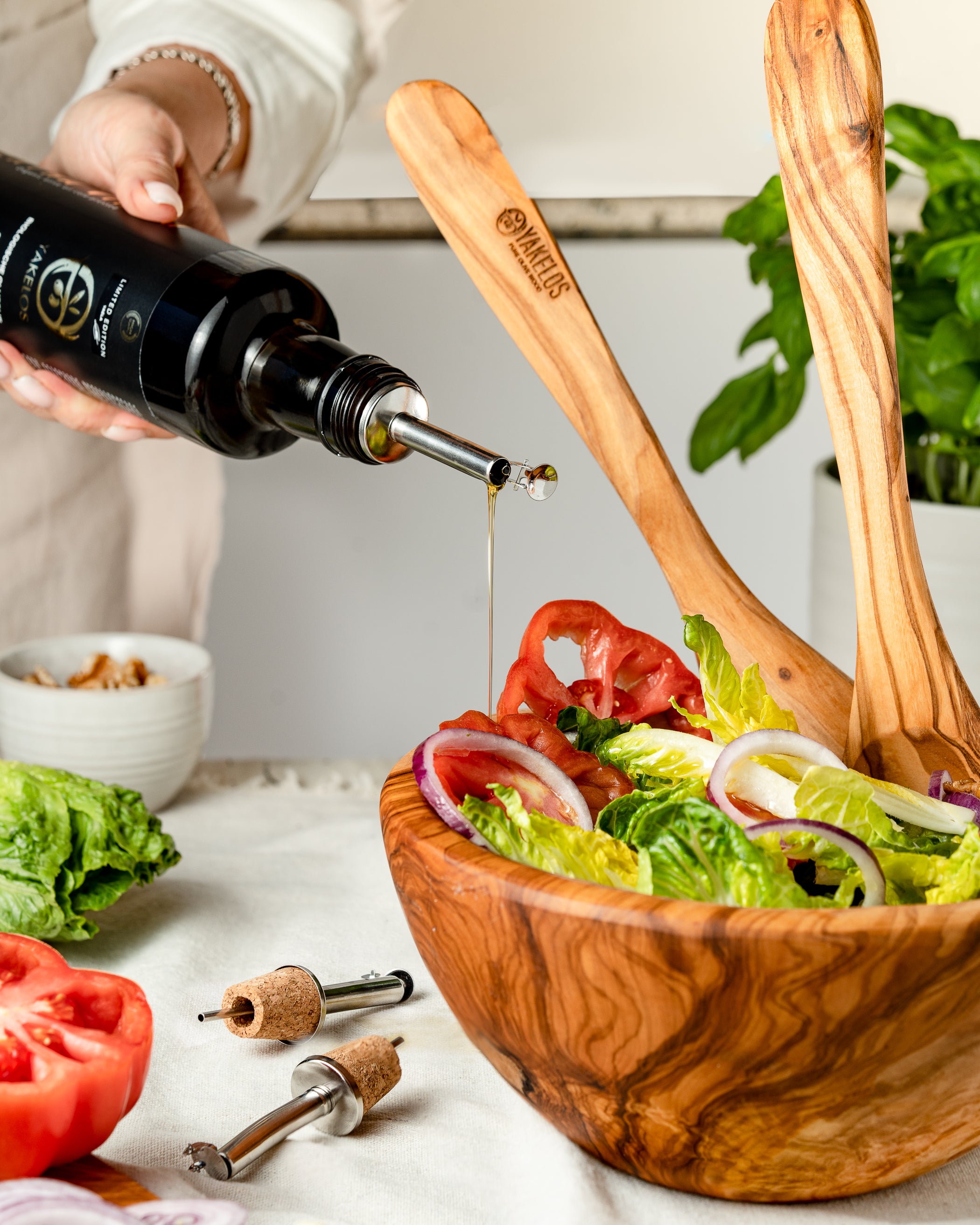
- Salads & dressings: extra virgin olive oil
- Cooking (medium–high heat): regular olive oil or high-oleic sunflower oil
- Deep-frying: oil with a high smoke point
- Portion size: all oils contain approximately 900 kcal per 100 grams
Conclusion
There is no one-size-fits-all answer. Choosing sunflower oil or olive oil depends on purpose, flavor preference, and cooking method. Alternating oils is a smart approach, but for pure taste, aroma, and natural strength, extra virgin olive oil remains the liquid gold in your kitchen.
Try Olive Oil Free for 30 Days
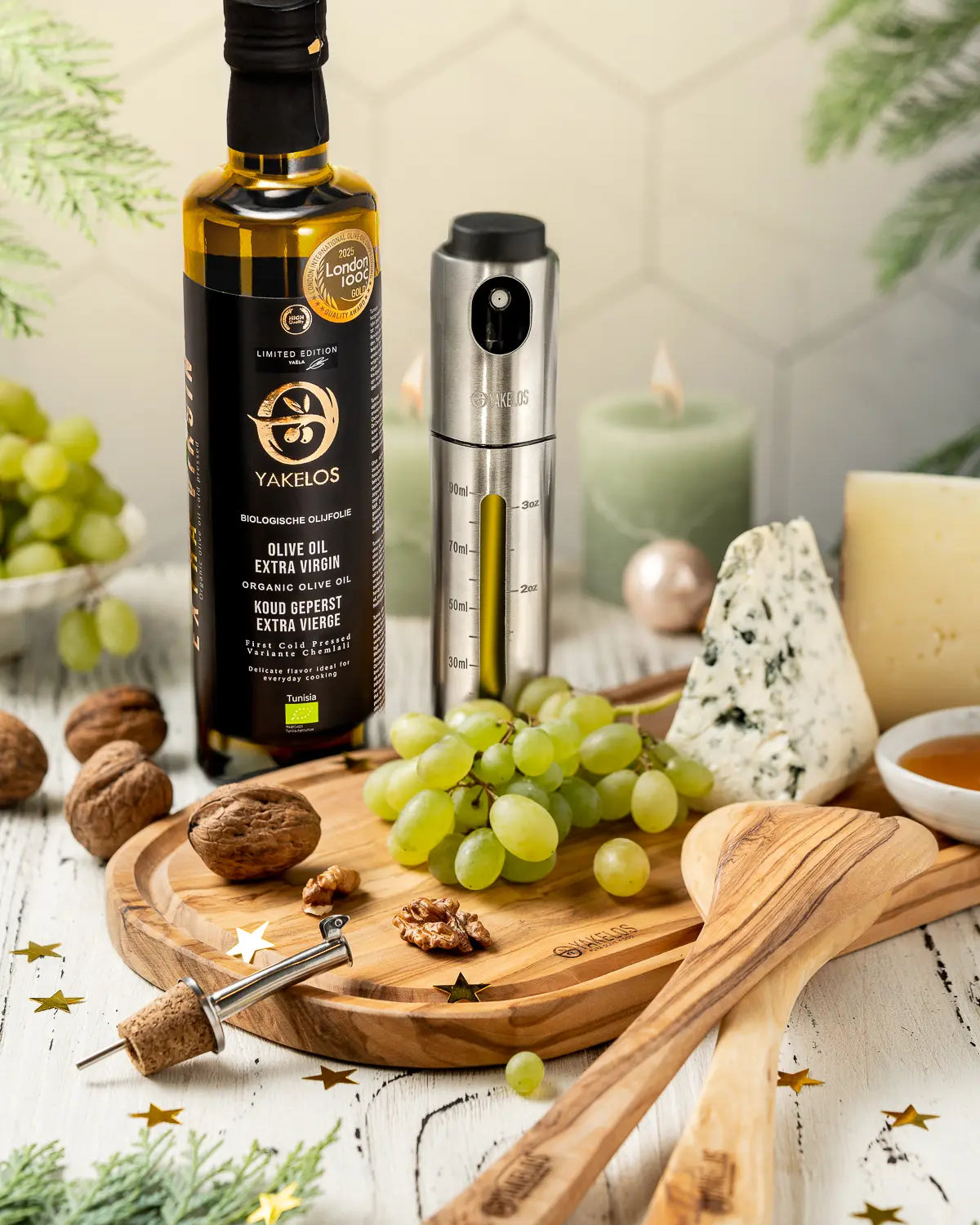
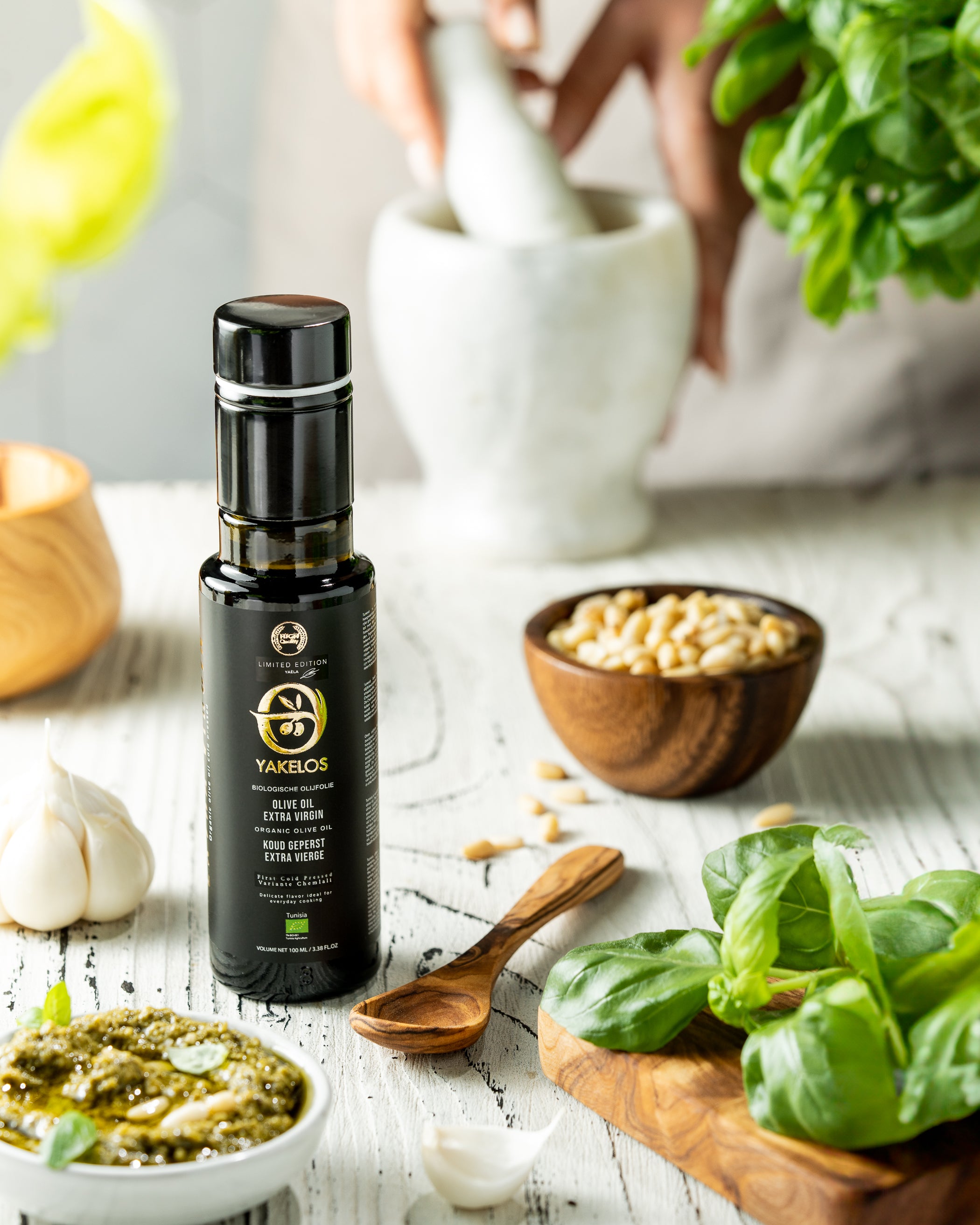
At Yakelos, we believe in transparency, flavor, and quality. That’s why you can taste our organic extra virgin olive oil for 30 days without risk.