

Olive Wood with a Story
At Yakelos, it's not just about olive oil. The wood of the olive tree carries a story of its own — a story about Tunisia, centuries-old traditions, craftsmanship, sustainability, and local employment.

From Our Family Workshop to Your Kitchen
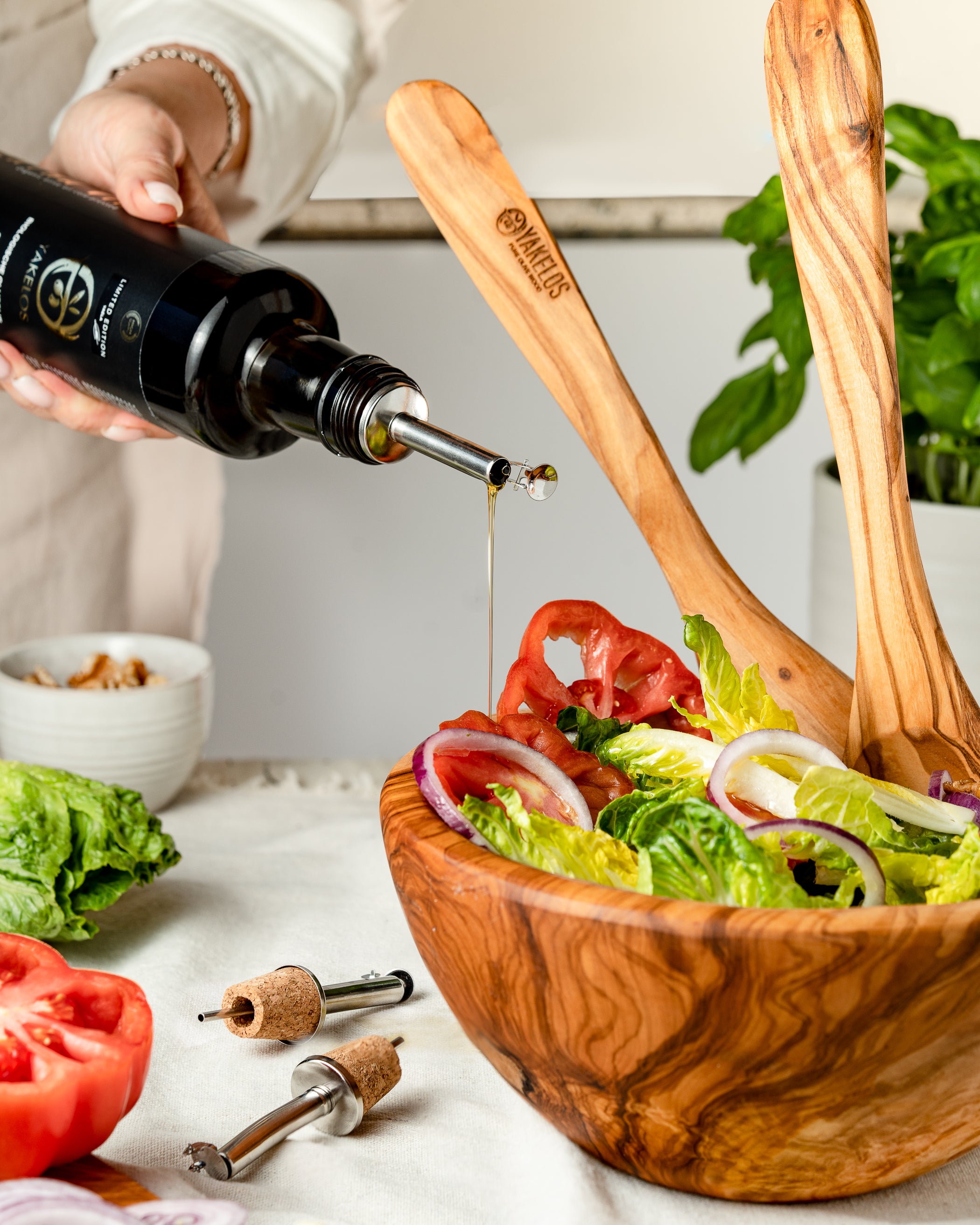
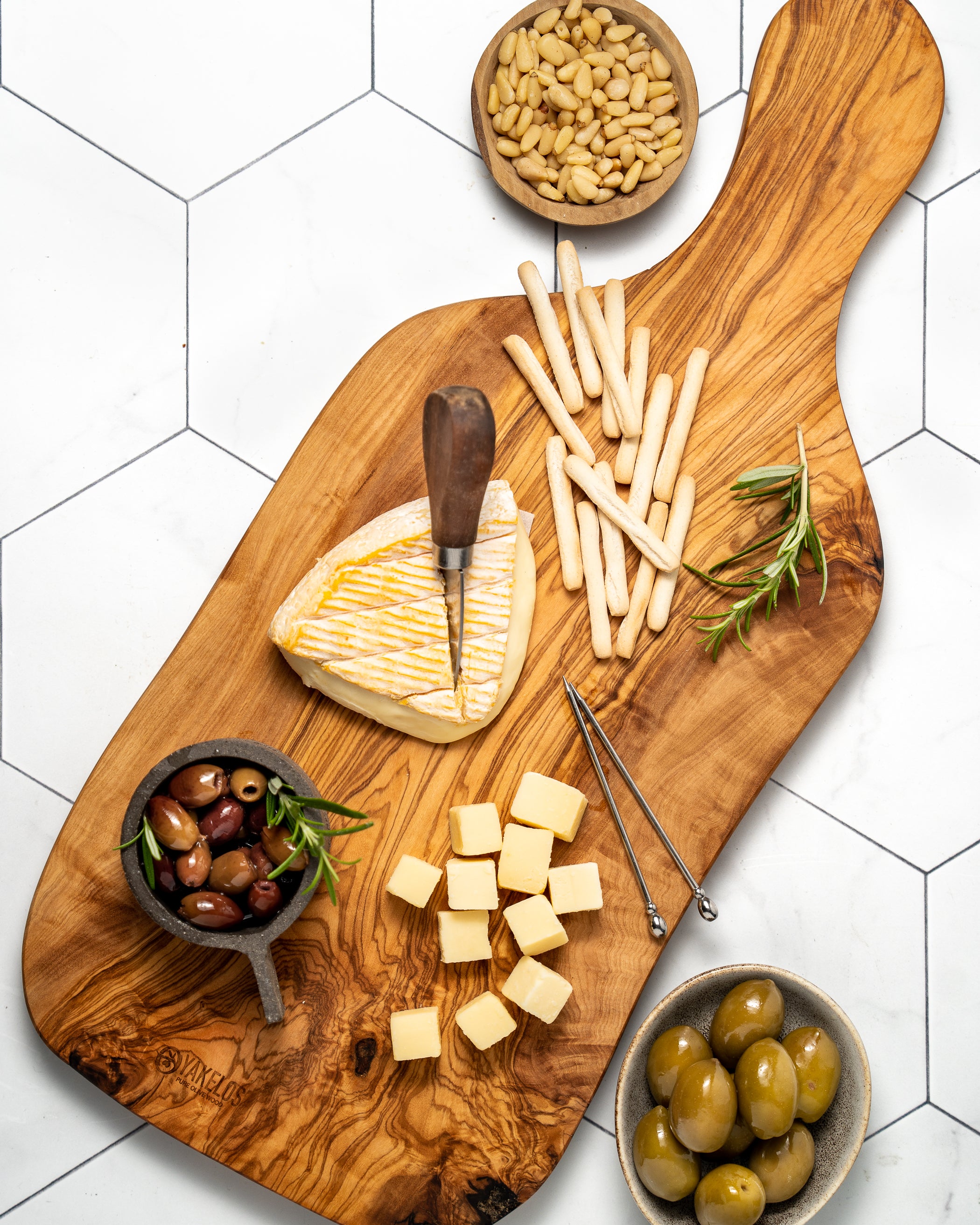
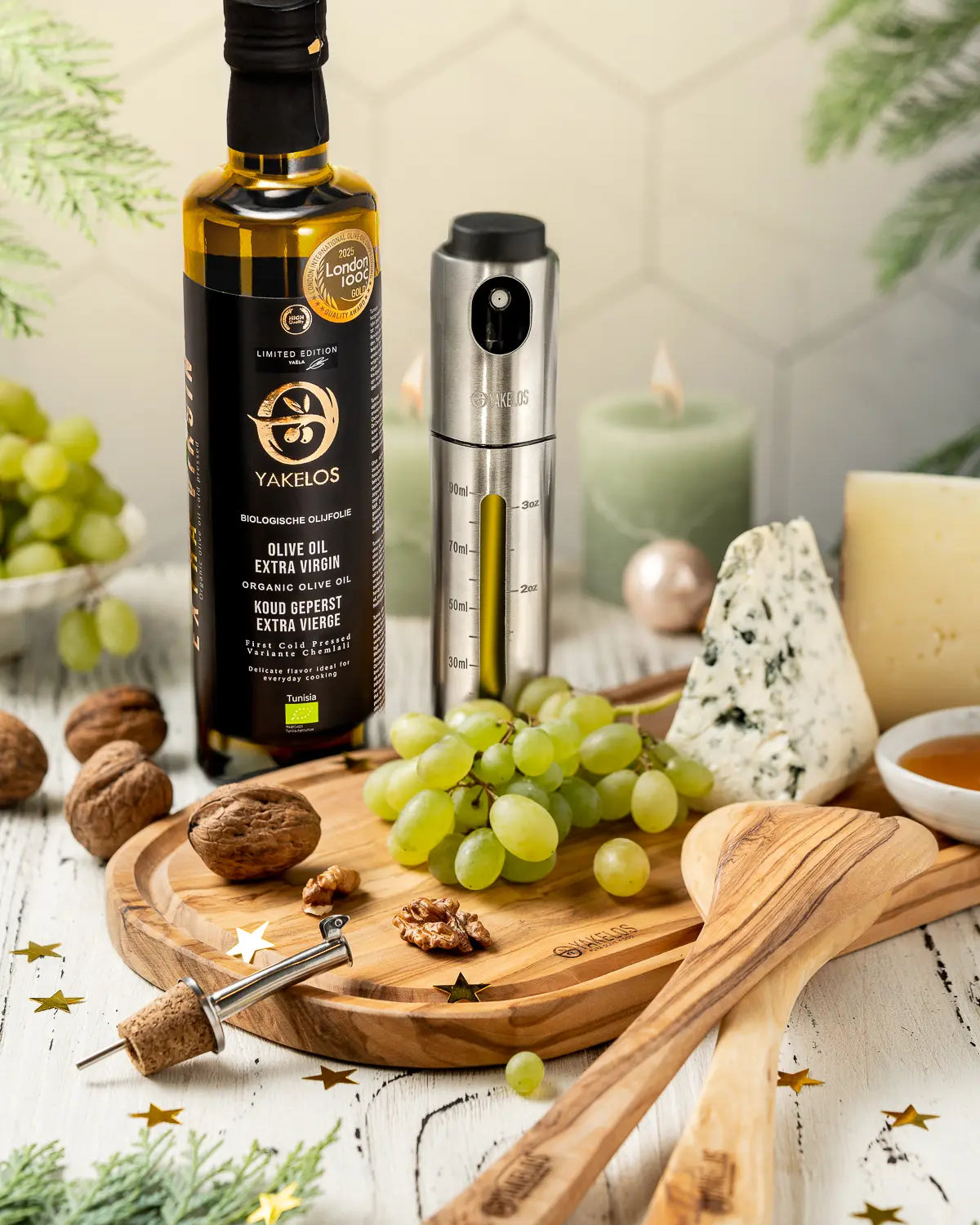
In Tunisia, we work with a family-run workshop where olive wood is shaped by hand into beautiful everyday objects — spoons, bowls, serving boards, kitchen accessories, and decorative pieces.
No two pieces are the same. Olive wood naturally has a stunning grain, with warm color variations and unique shapes, making every product one of a kind.


You Don't Just Cut Down a Tree
An olive tree is first and foremost valued for its olives, used both as table olives and for making olive oil. Cutting down a healthy, productive olive tree purely for its wood simply wouldn't make sense.
The olive wood we use comes primarily from necessary pruning, and from trees that can no longer be preserved due to old age, disease, land redevelopment, or other circumstances. Branches that come free during the maintenance of olive groves are also used, especially for smaller products.
In this way, we try to extract as much value as possible from this remarkable tree.


Centuries-Old Wood Gets a Second Life
Olive trees can live to a great age. The wood we work with can come from trees that are decades old — sometimes over a century.
Rather than letting this wood go to waste, it's given a second life. Larger pieces are shaped into boards and bowls, while smaller branches are perfect for spoons and other small objects.
This way, as much of the available wood as possible is put to good use.


Craftsmanship That Stays in Tunisia
To us, sustainability means more than just the material itself.
It also means keeping the value and the craftsmanship in Tunisia as much as possible. The olive wood is processed locally, by people who understand the properties of the wood and use techniques passed down from generation to generation.
In doing so, we support local employment and help preserve traditional Tunisian craftsmanship.


For the Kitchen, the Table, and as Decoration
Olive wood is strong, characterful, and versatile. It's at home in the kitchen and on the table, but its natural shapes and striking grain also make it beautiful as a decorative piece.
Every board, spoon, or bowl has its own color, texture, and pattern. Small differences and natural irregularities aren't flaws — they're part of what makes real olive wood so distinctive.

From Olive Tree to Olive Oil — and Olive Wood
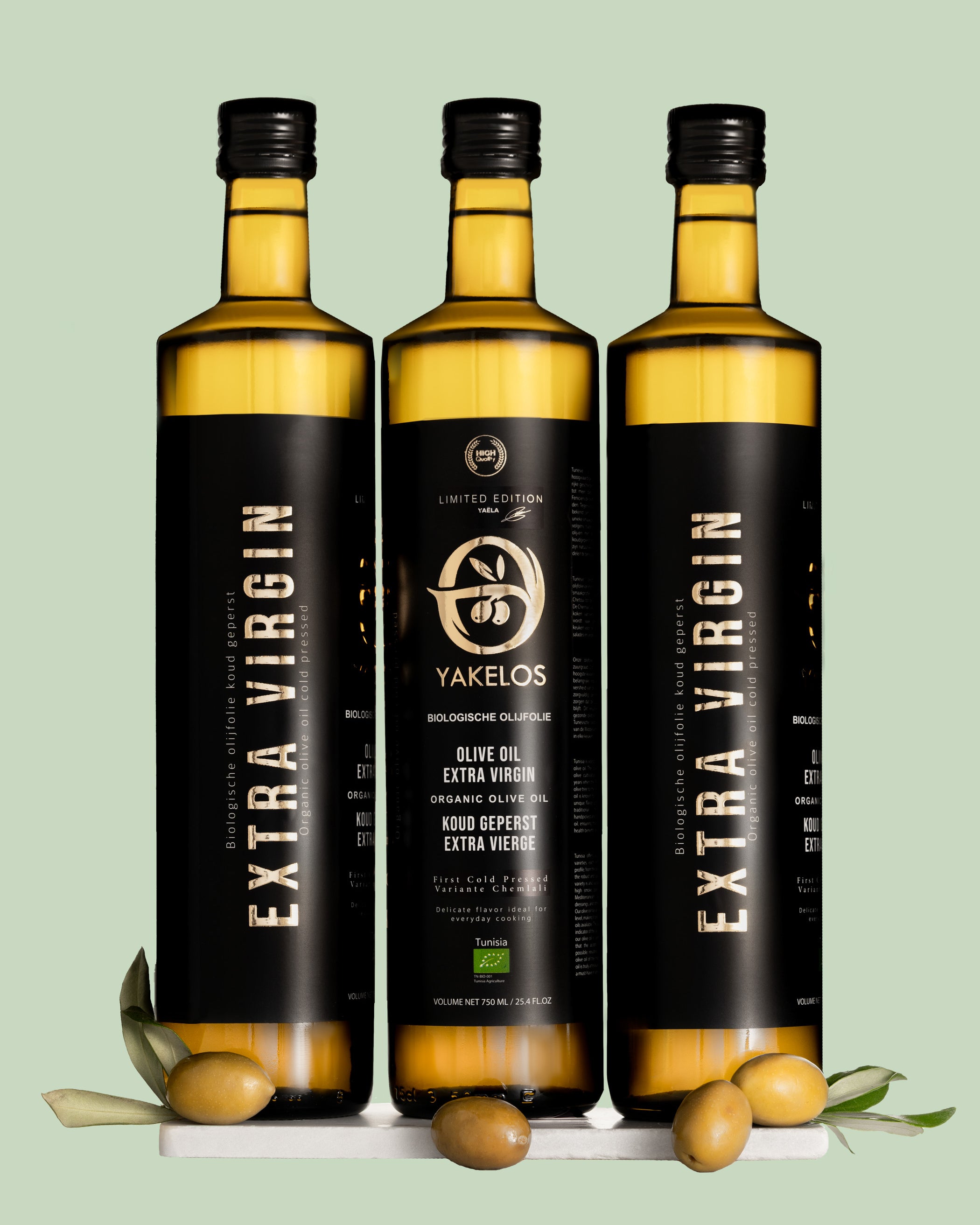
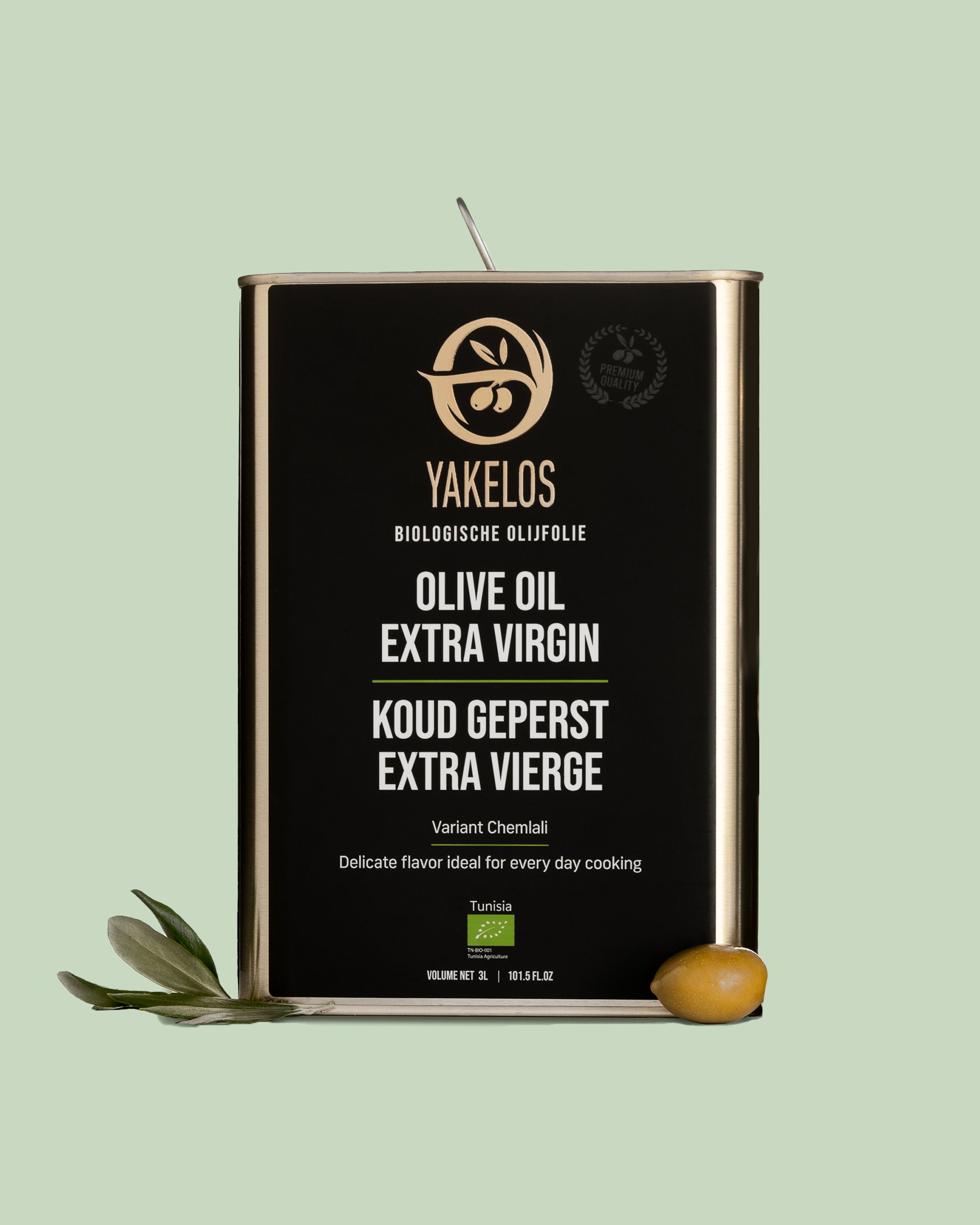
For Yakelos, olive oil and olive wood belong to the same story.
The olive tree gives us its fruit for our olive oil. And when wood becomes available through pruning, age, or other necessary reasons, that material too can find new value in the hands of local artisans.
In this way, we connect nature, tradition, craftsmanship, and employment.
That's something we're proud of. A piece of Tunisia, made to be enjoyed for years to come.