

Stand in front of the supermarket olive oil shelf and you will see a row of bottles all claiming extra virgin, all promising quality. The best supermarket olive oil is not the one with the fanciest label or the highest price. It is the one that passes a handful of concrete checks: grade, label, packaging, price and taste. This article gives you that checklist, plus a clear answer on whether you can cook with it.
In short:
- 0.8% legal acidity ceiling for extra virgin olive oil
- 27°C maximum processing temperature for cold pressed oil
- under 18 months age at which olive oil is at its freshest
Always choose extra virgin
Extra virgin is not a marketing term, it is a legal grade. It means the oil comes from the first cold pressing, extracted mechanically without chemicals or added heat. That process keeps the natural flavour and antioxidants intact, unlike refined oils that lose much of both.
Acidity is the number that separates good extra virgin from a bottle that only claims the name. It measures how much the oil has started to break down, and the legal ceiling for extra virgin is 0.8 percent. Once you understand what extra virgin olive oil means, you will notice that better oils often land between 0.2 and 0.4 percent, well under that ceiling.
Genuine extra virgin olive oil specifications
- Grade: extra virgin, first cold pressing
- Processing: below 27 degrees Celsius
- Acidity: legal ceiling 0.8%, quality oils around 0.2 to 0.4%
- Composition: no blends, no additives
Read the label: origin, harvest and acidity
Picture two bottles side by side. One says "oil of EU origin", the other says "produced in Tunisia" with a harvest date printed beneath it. The second bottle tells you far more.
A few checks take seconds once you know what to look for:
- A specific country or region, not a vague "EU blend"
- A harvest date, not just a best before date. Oil is at its freshest under about 18 months old
- A single olive variety and single origin, rather than a mix of unnamed oils
- A stated acidity figure, ideally well below the legal ceiling
- Organic certification such as EU Organic or SKAL
These details matter more than the shelf price. If you want to go deeper, recognising genuine extra virgin explains where fraud typically hides in a bottle.
Packaging tells you a lot
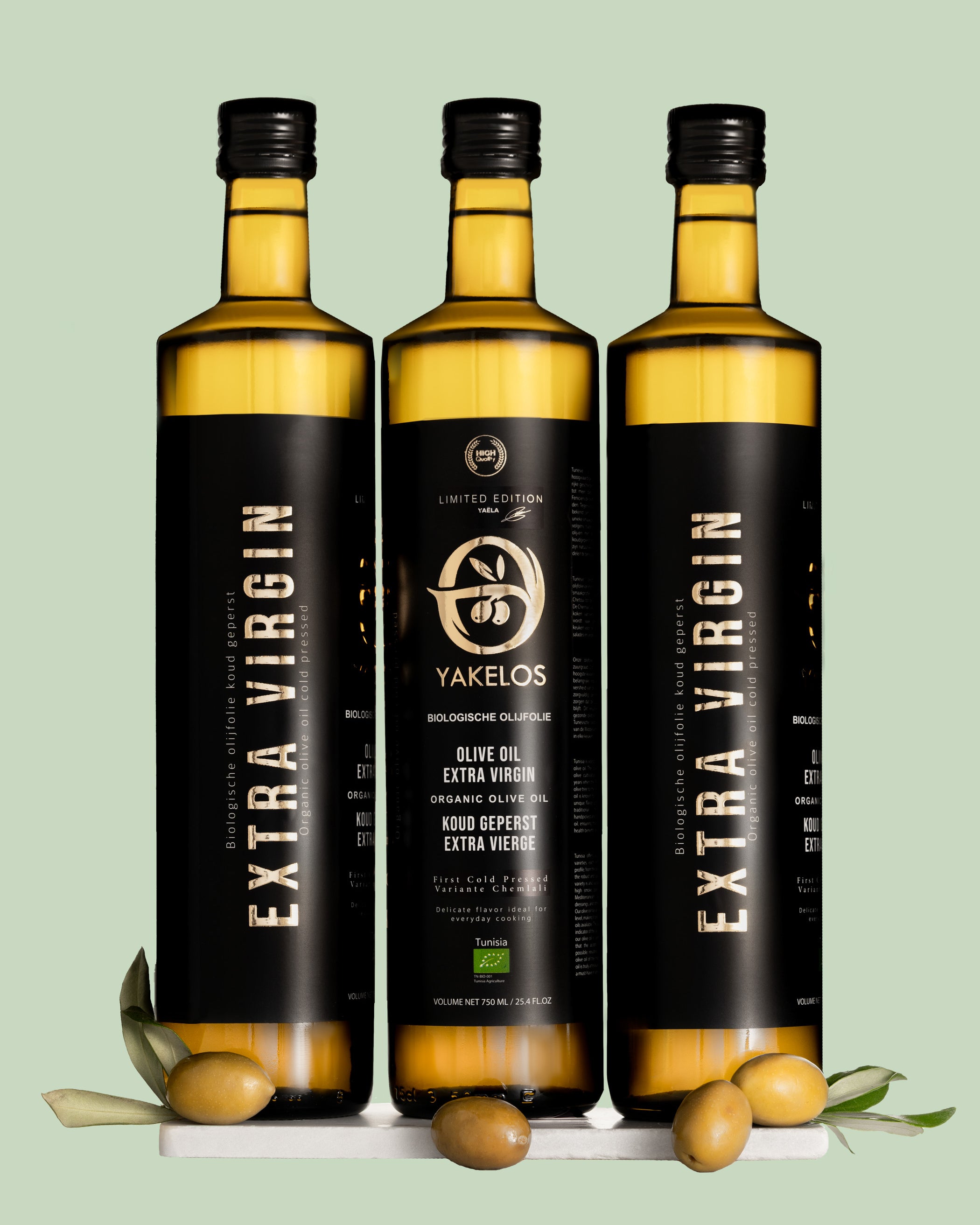
Light, air and heat are what damage olive oil fastest. A dark glass bottle or a tin blocks light and slows that damage, while a clear plastic bottle lets light stream straight through.
That glowing green or golden colour you can see through a clear bottle looks appealing on the shelf. It is not actually a good sign, since it usually means the oil is exposed to light every single day it sits there. Colour itself tells you nothing about quality, it depends on the olive variety, not on freshness.
Curious how that damage actually happens? How olive oil deteriorates sets out what light and oxygen do to the oil over time.
What price really tells you
Does a higher price always mean better oil? Not automatically, but price is not meaningless either. Good extra virgin is labour intensive to make, and a poor harvest pushes real production costs up.
A bottle priced far below what that effort costs is a fair reason to question what is inside. An expensive bottle is not automatically better either. A striking shape or a fancy label can inflate the price without adding anything to what is in the oil.
When price is a useful signal
- Very low prices are a genuine warning sign
- Higher cost often reflects real production effort
- A fair price supports the growers behind the oil
When price is not
- A high price is no guarantee of quality
- Marketing and packaging can inflate the price
- A fancy bottle or bright colour adds no real value
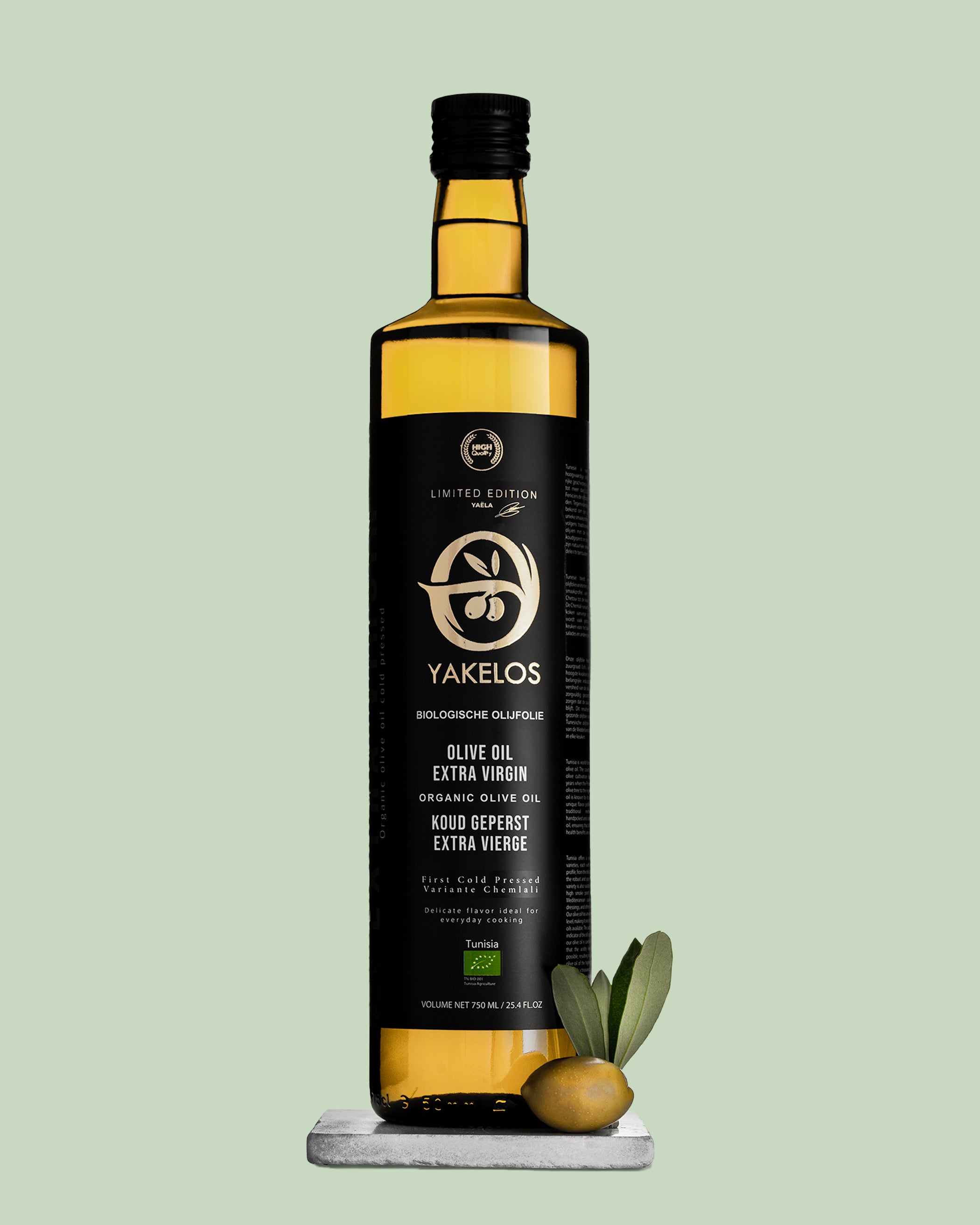
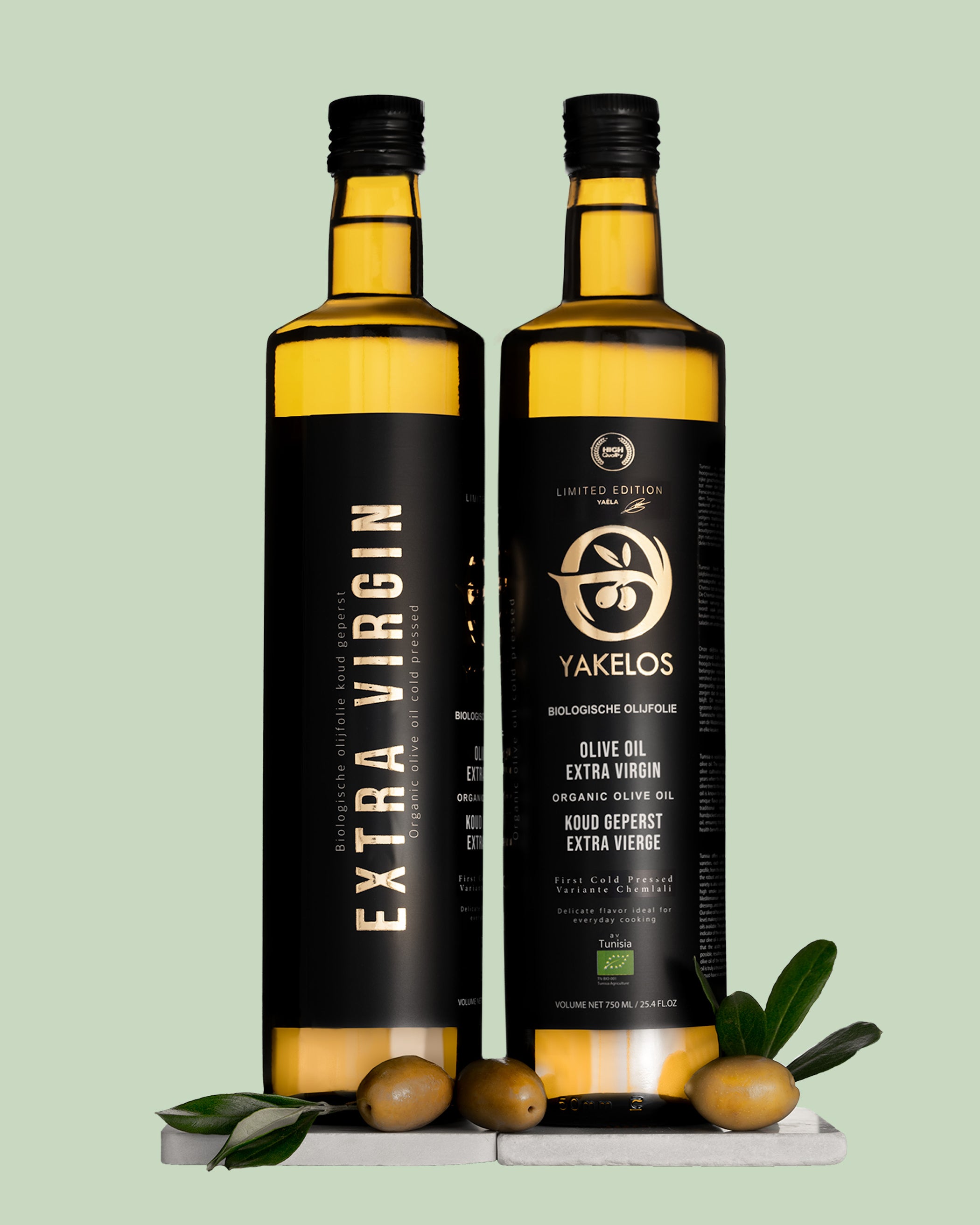
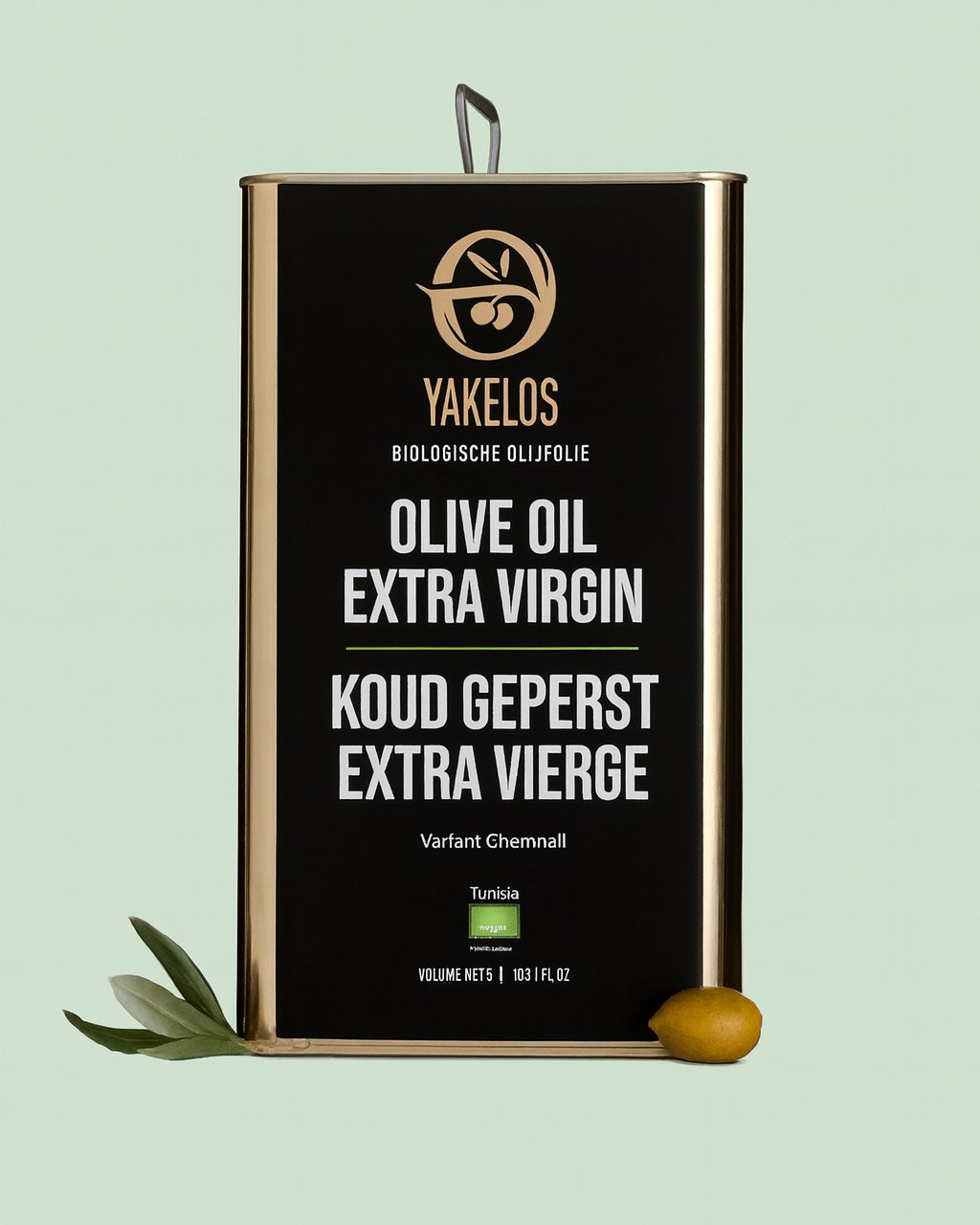
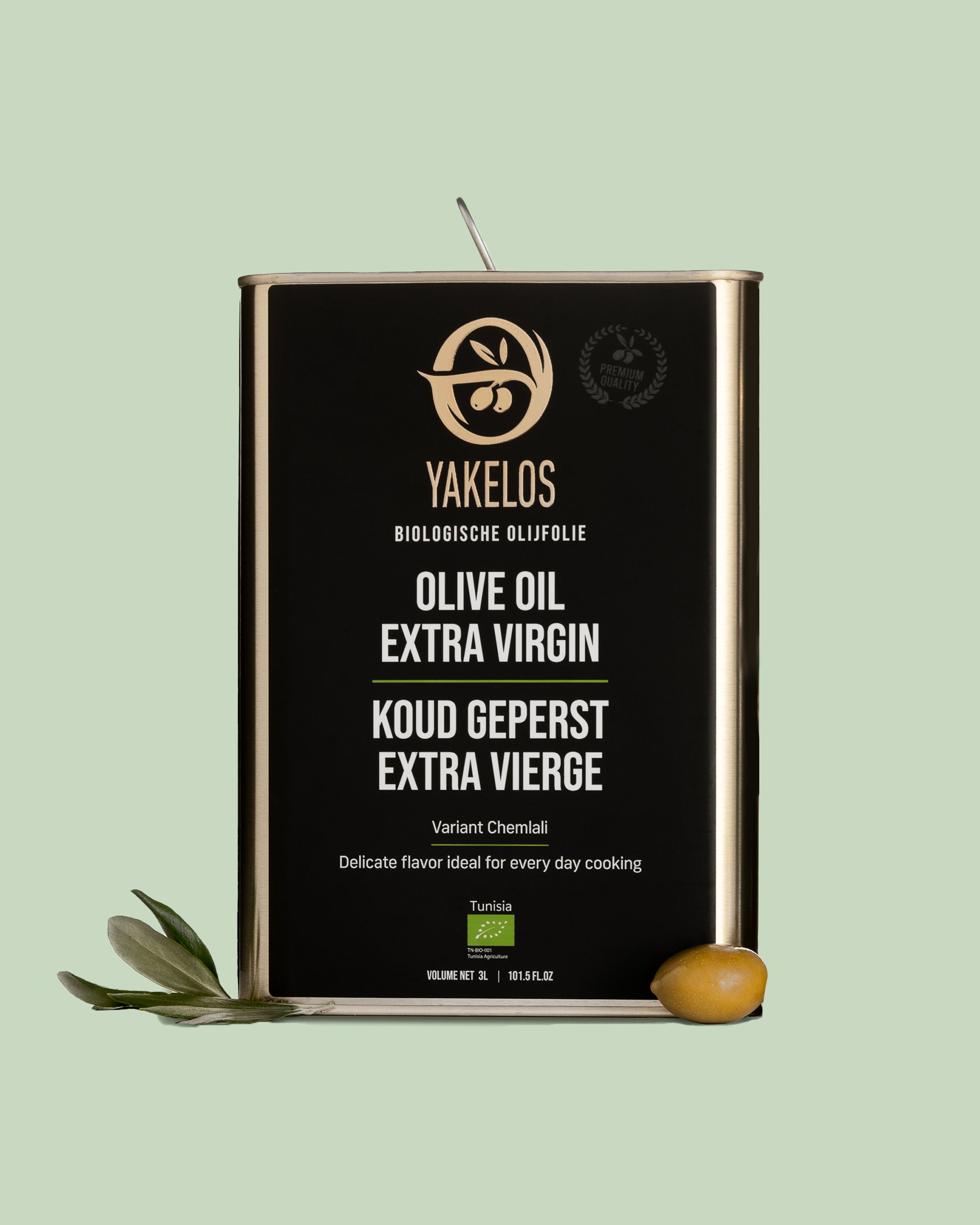
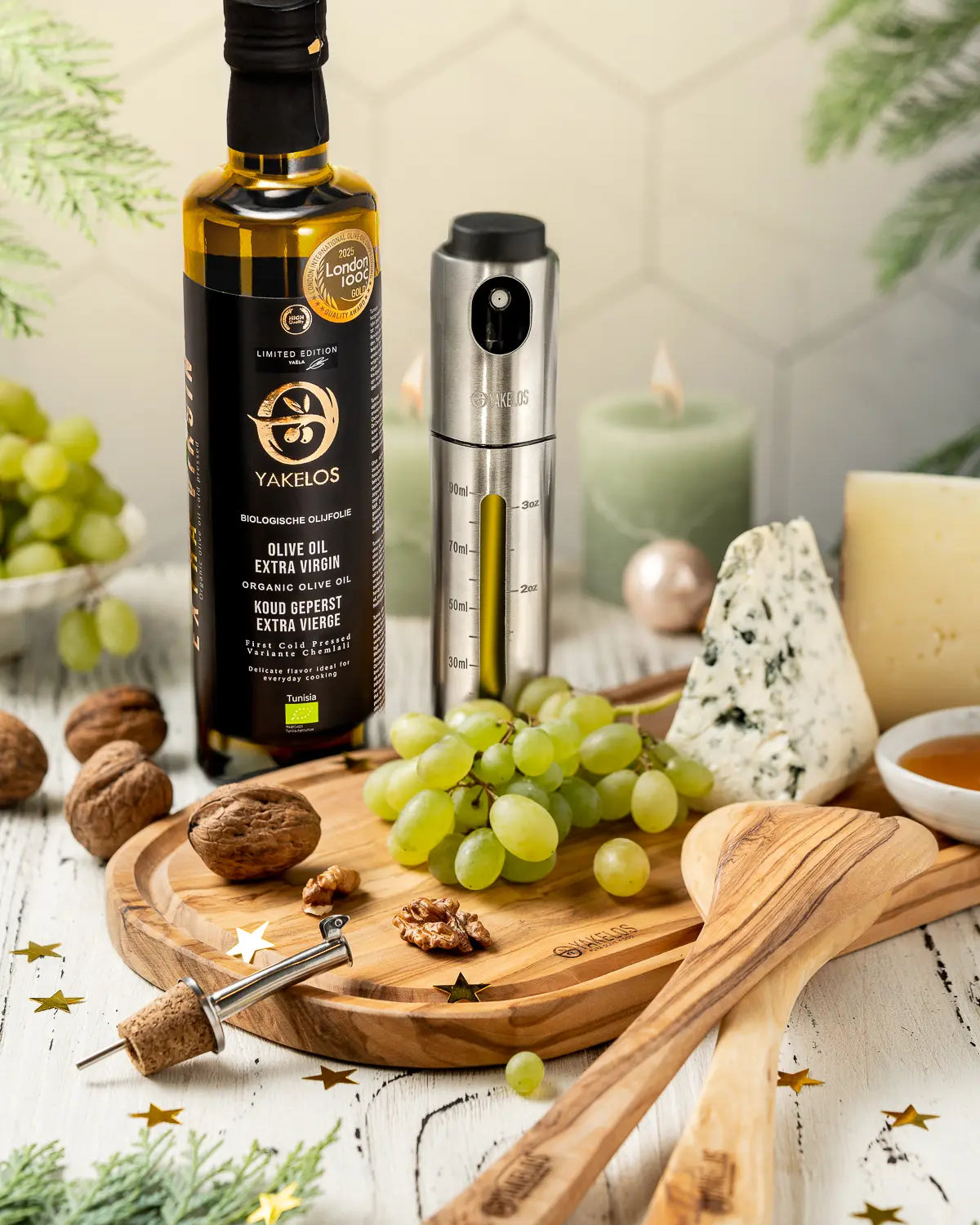
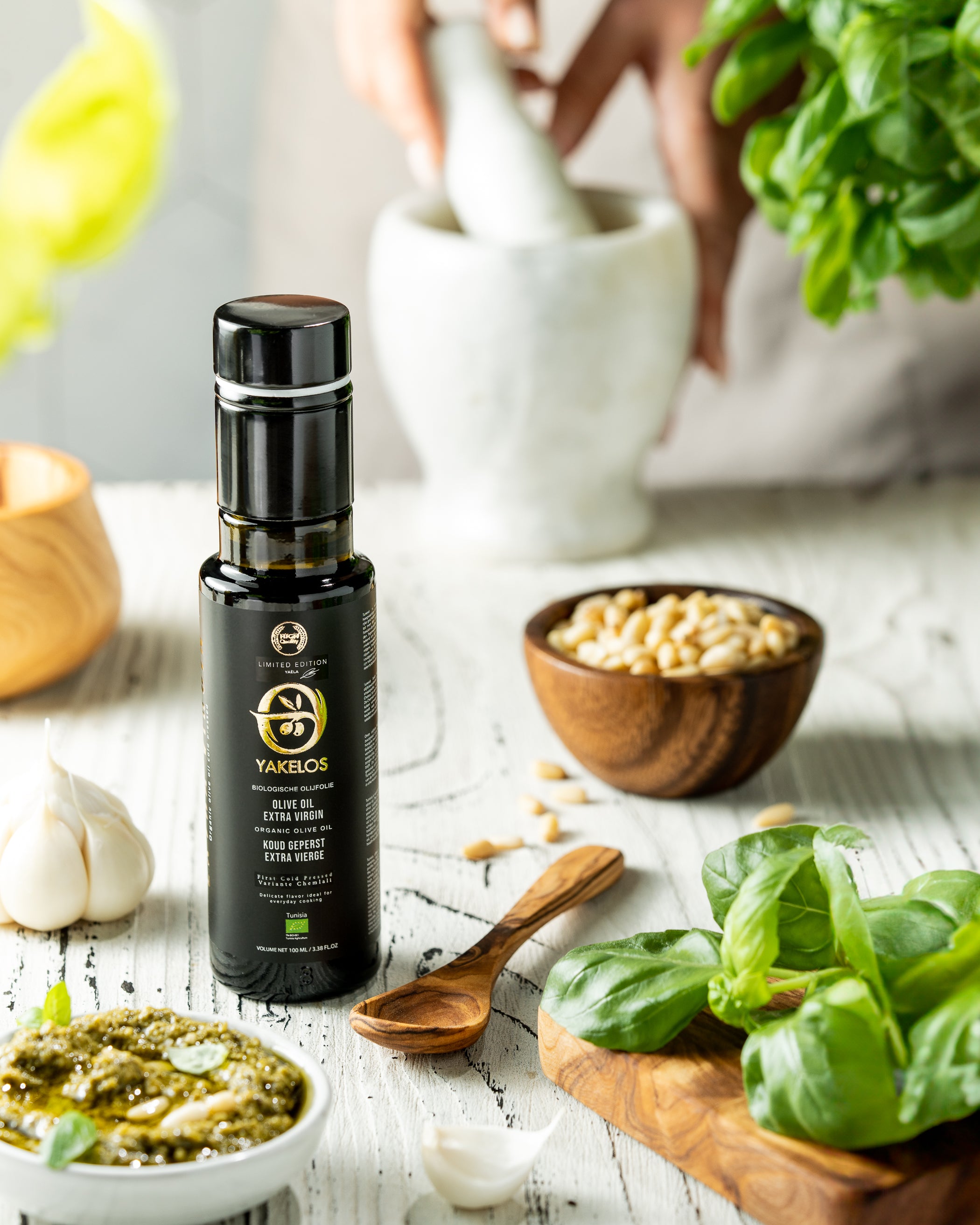
Yakelos, for example, states its acidity and origin plainly on the organic extra virgin olive oil in its shop, rather than leaning on price to make the case.
Judge by smell and taste, not colour
You bring a new bottle home, pour a little into a glass and wonder if it is actually any good. Colour will not tell you. Professional tasters use a coloured glass specifically so colour cannot mislead them, and smell and taste are far more honest.
- Pour a small amount into a glass and cup it in your hand to warm it slightly
- Swirl it gently and smell for fresh, grassy notes
- Take a small sip and let it coat your mouth
- Notice bitterness and a peppery finish, both good signs
- Reject anything that smells musty, greasy or rancid
Want to go further? How to taste olive oil walks through what each note actually tells you about the oil.
Can you cook with extra virgin olive oil?
Can you actually cook with extra virgin, or is it only for salads and bread? Yes, you can. It handles everyday cooking well up to roughly 170 to 180 degrees Celsius, which covers most frying, roasting and sautéing at home.
Its natural antioxidants, called polyphenols, help the oil stay stable while it heats, more so than many refined oils. Push it much hotter, or leave it smoking on the hob for a long time, and that stability breaks down. For prolonged deep frying at very high heat, a neutral oil is the more practical choice.
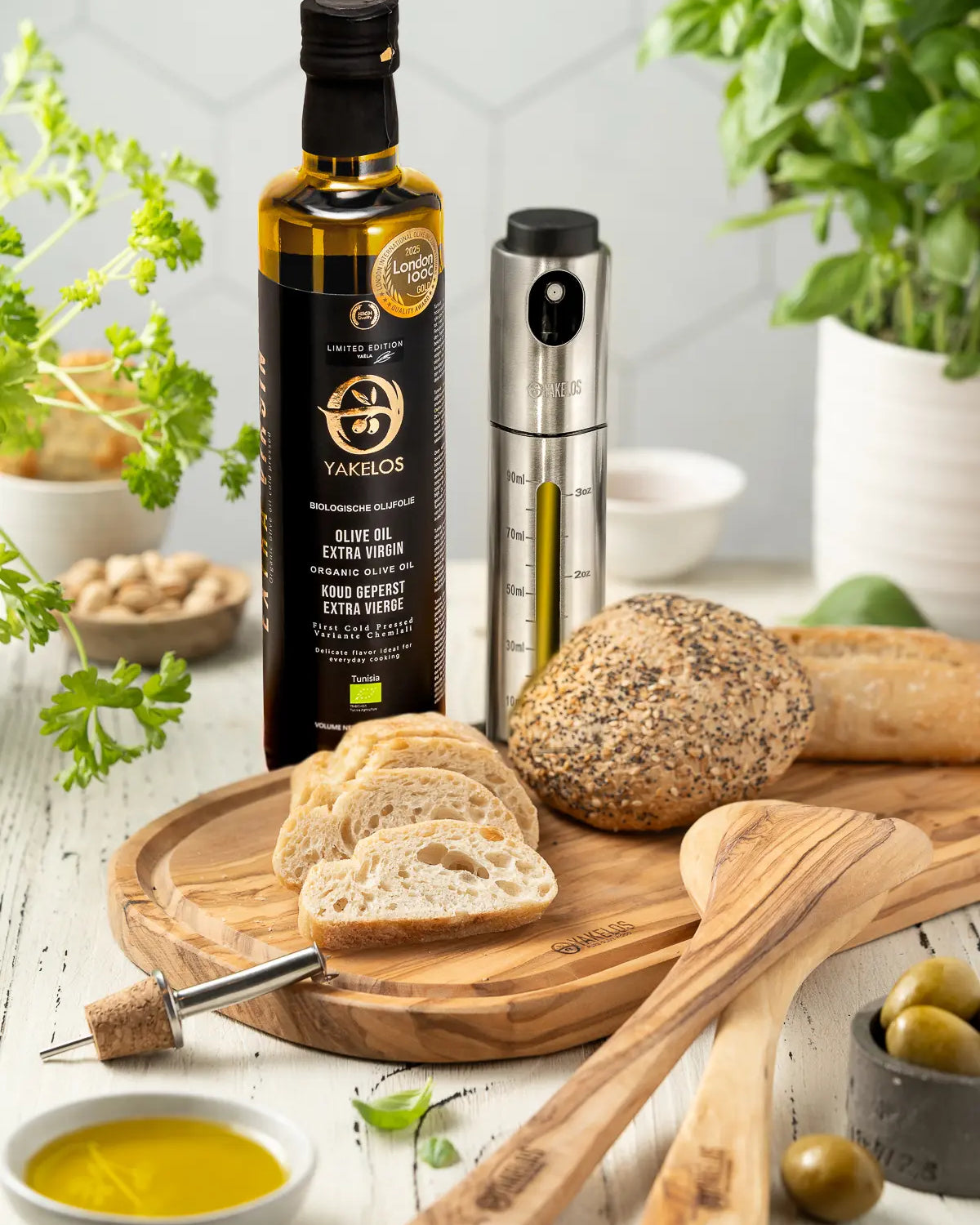
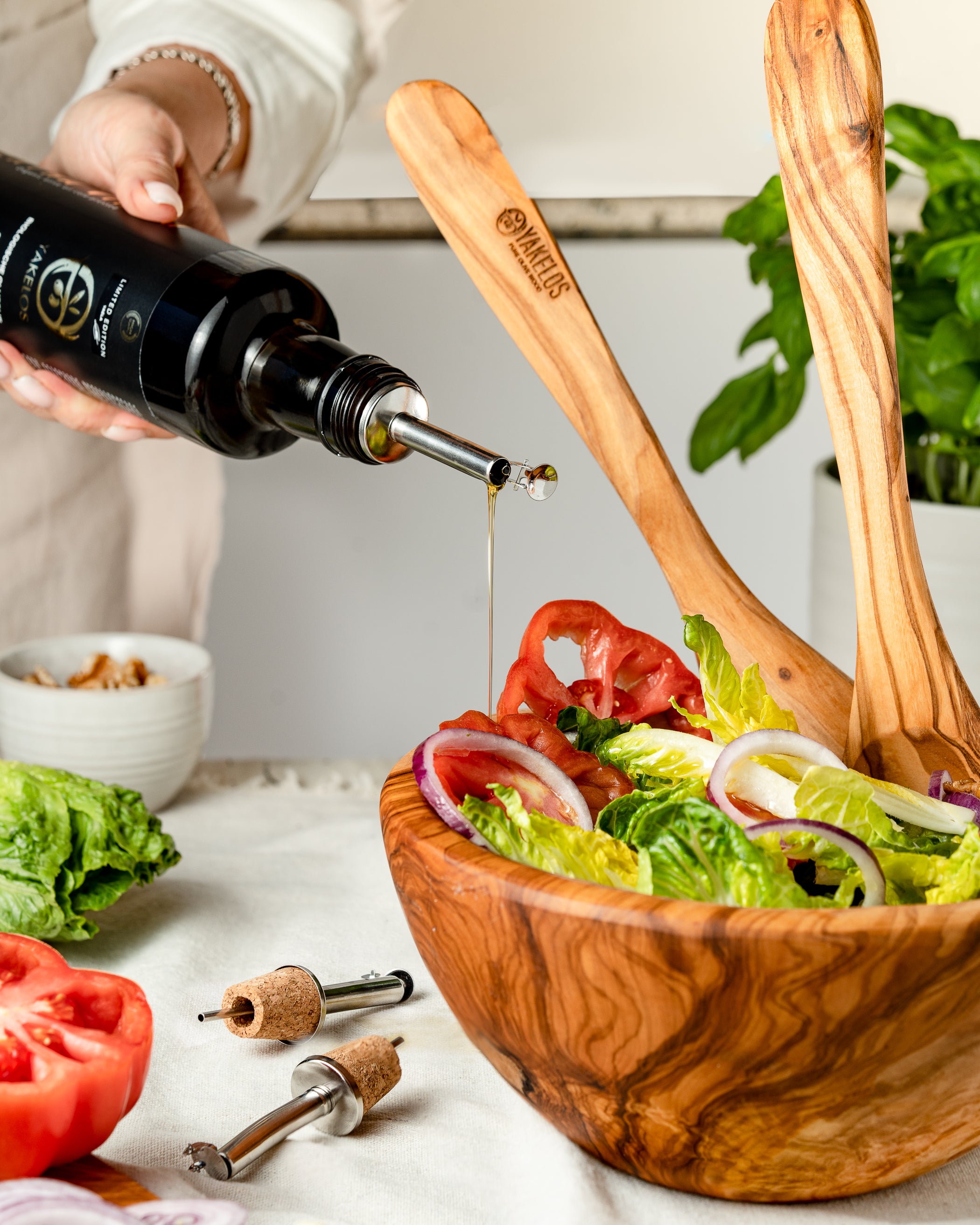
Tip from Yakelos: use one bottle of good extra virgin for both jobs, cooking up to around 170 to 180 degrees and finishing raw over salads, bread or soup. That way you taste the difference in the same oil, exactly where it matters most.
For guidance matching oils to specific dishes, choosing olive oil for your dishes sets out how to pick between mild and robust bottles.
Choosing with confidence
Standing at the shelf, you do not need to memorise brand names or trust a marketing claim. Check the grade, read the harvest date and origin, and favour dark glass over clear plastic.
Treat price as one signal among several, and trust your nose and palate over the colour in the bottle. Do that, and you can judge any bottle of extra virgin olive oil in under a minute.
Frequently asked questions about extra virgin olive oil
What is the best olive oil in the supermarket?
There is no single best brand to name. Look for a genuine extra virgin grade, a specific origin, a recent harvest date and dark packaging, and you can judge any bottle on those criteria yourself.
Is cheap supermarket olive oil worth buying?
Very cheap oil is a fair reason to check the grade and origin before buying it. Price alone does not decide quality though, some supermarket bottles are decent and some are not, so the label matters more.
How do I know an olive oil is really extra virgin?
Check the label for the extra virgin grade, a harvest date, a specific origin and acidity below 0.8 percent. Then confirm with a fresh, grassy smell and taste rather than relying on the label alone.
Should olive oil be in dark glass or a tin?
Both protect the oil against light, air and heat, which are the main causes of deterioration. Avoid clear plastic bottles, since they let light in and can speed up that decline.
How long does olive oil stay fresh?
Olive oil is generally at its best under about 18 months from harvest. Store it cool, dark and sealed in its original bottle, and use an opened bottle within a couple of months.
If any of this raises further questions, the olive oil FAQs cover the everyday practicalities of storing, using and buying olive oil in more detail.