

What Is Olive Oil?
Different Types of Olive Oil
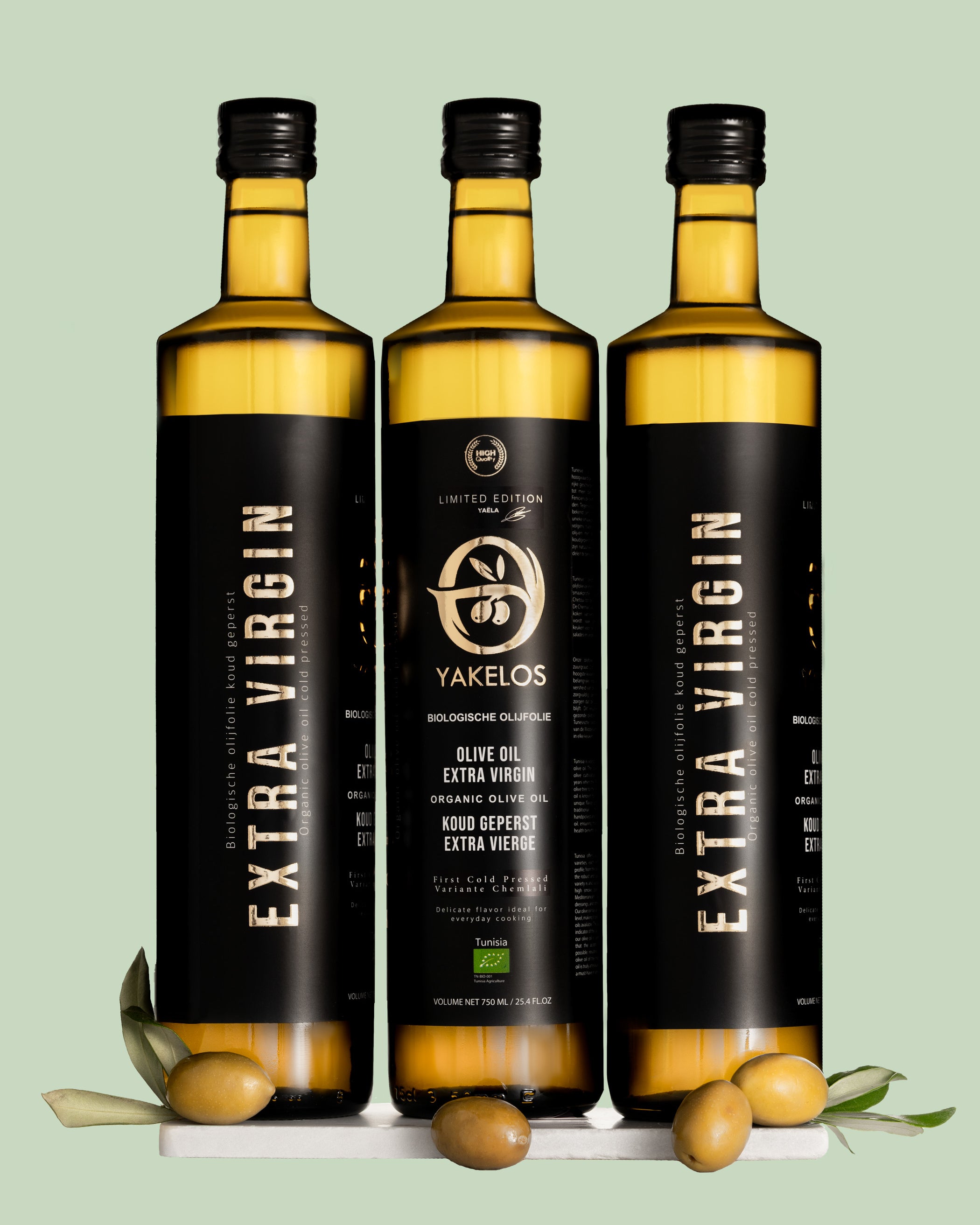
There are several types of olive oil you can taste like a professional. The most common are extra virgin olive oil, virgin olive oil, and refined olive oil. Extra virgin olive oil is the highest quality and is obtained by cold-pressing the olives. It has an intense flavor and aroma and is perfect for use in salads and dressings. Virgin olive oil is also good quality and is obtained by mechanical pressing of the olives. It has a slightly milder taste than extra virgin olive oil and can be used for frying and sautéing food. Refined olive oil is the lowest quality and is obtained through chemical processing. It has a neutral flavor and is suitable for frying and deep-frying. By tasting different types of olive oil, you can discover the subtle nuances in flavor and aroma and develop yourself into a true professional in olive oil tasting.
The Olive Oil Production Process
The production process of olive oil starts with harvesting the olives, usually by hand or with machines. The olives are then washed to remove any dirt and twigs. After that, they are ground into a thick paste. This paste is then pressed to separate the oil from the solids. The resulting oil is filtered to remove any impurities. Finally, the olive oil is stored in tanks to rest before it is bottled. Producing olive oil requires care and craftsmanship to obtain a high-quality product.
Characteristics of Good Olive Oil
Good olive oil has several characteristics you can recognize it by. First, it should have a clear, golden color. Cloudy or greenish olive oil can indicate lower quality. Good olive oil should also have an intense aroma reminiscent of fresh olives. A fruity and peppery taste is another sign of quality. In addition, the oil should have a light bitterness and a subtle pungency. Finally, good olive oil should leave a pleasant aftertaste, without any harsh bitterness. By paying attention to these characteristics, you can taste olive oil like a professional and select the best quality.
How to Taste Olive Oil

Choosing the Right Olive Oil
Choosing the right olive oil can be challenging, especially if you want to taste it like a professional. There are several factors to consider. First, it’s important to know the different types of olive oil, such as extra virgin, virgin, and refined. Extra virgin olive oil is considered the highest quality and has an intense flavor and aroma. Virgin olive oil is also high quality but has a slightly milder taste. Refined olive oil is chemically treated and has a neutral flavor. It’s also important to pay attention to the origin of the olive oil, as oils from different regions can have very different flavors and aromas. Checking the harvest year is a good idea too, since fresh olive oil often tastes better. Finally, it’s wise to taste an olive oil before buying a large bottle. Tasting allows you to judge the flavor and quality and see whether it meets your expectations. With these tips and tricks, you can choose the right olive oil and enjoy a great culinary experience.
Preparing the Tasting
Preparing the tasting is a crucial step to fully enjoy the olive oil. First, it’s important to select several different olive oils so you have a good basis for comparison. For example, choose an extra virgin olive oil, a mild one, and a more robust, peppery one. It’s also recommended to set out small tasting glasses or bowls so you can taste each oil separately. Make sure you have neutral crackers or pieces of bread on hand to cleanse your palate between samples. You can also keep some water nearby to rinse your mouth. By preparing the tasting properly, you’ll be able to distinguish and appreciate the different flavors and aromas much more easily.
Tasting the Olive Oil
Tasting olive oil is an art in itself. It starts with selecting a good, high-quality oil. Then it’s important to taste it correctly. Take a small sip of olive oil and let it slowly roll around your mouth. Pay attention to the flavors and aromas that appear, such as fruitiness, bitterness, and pungency. Try to notice whether the oil has a long finish as well. It’s helpful to compare different olive oils side by side to discover your own taste preferences. By tasting olive oil in this way, you can become a real professional and fully enjoy this delicious product.
Tips for Tasting Olive Oil

Use a Neutral Palate
To taste olive oil like a professional, it’s important to use a neutral palate. That means cleansing your taste buds before you start. You can do this by eating a small piece of bread and drinking some water to neutralize your mouth. This way, you can perceive and judge the subtle flavors and aromas of the olive oil much more clearly. Using a neutral palate is essential for an objective and accurate evaluation.
Smell the Olive Oil
Smell the olive oil before tasting it. The aroma can tell you a lot about its quality and flavor. Hold the tasting glass in your hand and swirl the oil gently to release the aromas. Then bring the opening of the glass to your nose and inhale carefully. Pay attention to the intensity and the different notes you can detect, such as grassy, fruity, herbal, or nutty. A good olive oil has a pleasant, fresh smell. If the aroma is unpleasant or musty, it may indicate poor quality. Take your time to fully absorb the scent before moving on to tasting.
Taste the Olive Oil in Different Ways
There are several ways to taste olive oil like a professional. One of the most important aspects is using a tasting glass. Pour a small amount of olive oil into the glass and swirl it gently to release the aromas. Take a small sip and let the oil coat your mouth so you can perceive all the flavors. Focus on the fruitiness, bitterness, and pungency of the oil. You can also try pairing olive oil with different foods to discover interesting flavor combinations. By tasting olive oil in these ways, you can deepen your knowledge and appreciation of this wonderful product.
Common Flavors in Olive Oil

Fruity Olive Oil
Fruity olive oil is one of the most popular styles of olive oil. It has a delicious fruity flavor with a light pungency. This type of oil is made from ripe olives and is often slightly green in color. It’s perfect for salads, cooking, or simply dipping bread. The fruity character can range from mild and delicate to intense and powerful, depending on the olive variety and production method. Try different brands and producers to discover your favorite fruity olive oil!
Peppery Olive Oil
Peppery olive oil is a great choice for lovers of bold flavors. This style has a sharp, spicy character that adds an extra kick to dishes. It’s perfect in salad dressings, marinades, or drizzled over grilled vegetables. The peppery bite adds wonderful complexity and can elevate even simple recipes. Just be sure to use it sparingly, as the intensity can easily dominate a dish. Try it yourself and discover the surprising depth of peppery olive oil!
Bitter Olive Oil
Bitterness is a common characteristic of olive oil and is often associated with quality. Even if it’s not to everyone’s taste, bitterness can indicate a high level of healthy antioxidants. Bitter olive oil can have an intense, complex flavor, with notes of green leaves and herbs. It can be a fantastic addition to salads, grilled vegetables, and even certain desserts. It’s worth experimenting with different oils to find the level of bitterness that suits your palate best. If you’re looking for a more adventurous tasting experience, try a bitter olive oil and taste it like a professional!
Storing and Using Olive Oil

Storage Tips for Olive Oil
When storing olive oil, it’s important to follow a few guidelines to preserve its quality and flavor. First, keep it in a cool, dark place, such as a pantry or cellar. Exposure to light and heat can cause oxidation and negatively affect the taste. Always close the bottle tightly to minimize contact with air. It’s also wise to store olive oil away from strong odors, like spices, so it doesn’t absorb them. Finally, check it regularly for signs of spoilage, such as a rancid smell or cloudy appearance. By following these storage tips, you can enjoy your olive oil at its best.
Using Olive Oil in the Kitchen
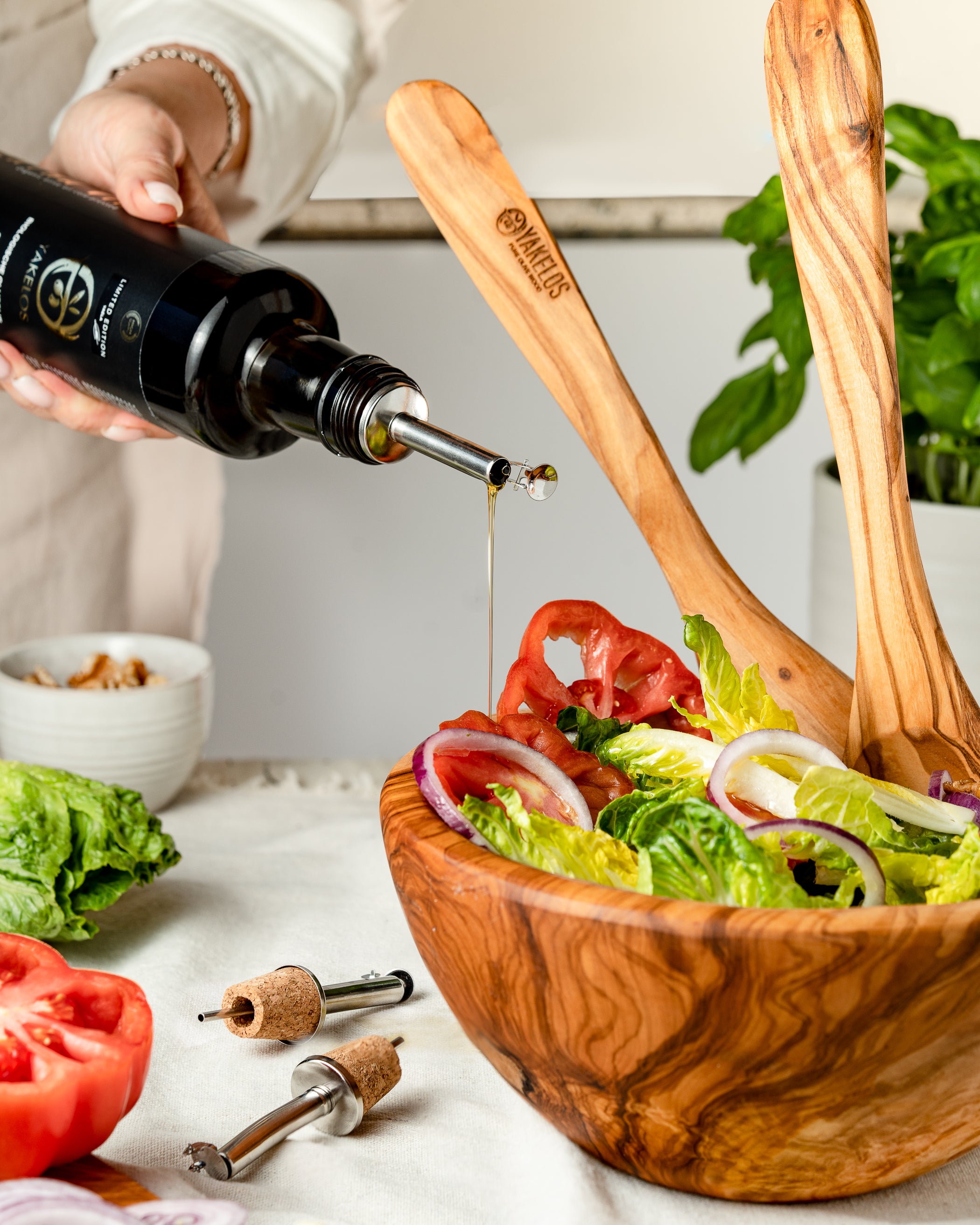
Olive oil is a versatile ingredient with many uses in the kitchen. It’s not only a healthy choice but also adds great flavor to dishes. When using olive oil, pay attention to the quality and type. Extra virgin olive oil is ideal for salads and dressings, while milder oils are better suited for frying and sautéing. Olive oil can also add an extra layer of flavor to dishes—heating it gently can release its aroma and enhance the taste of your food. In short, olive oil is an indispensable ingredient for both professional chefs and home cooks.
Pairing Olive Oil with Other Ingredients
Pairing olive oil with other ingredients is a great way to boost the flavor of your dishes. Olive oil goes well with a wide variety of foods, such as salads, grilled vegetables, pasta, and even desserts. Using olive oil in combination with other ingredients allows you to create unique and delicious flavor profiles. Try combining olive oil with balsamic vinegar for a simple yet tasty salad dressing, or add a drizzle over grilled vegetables for an extra flavor punch. Experiment with different pairings and discover which combinations you enjoy most. With olive oil as a base, the possibilities are almost endless.
Olive Oil as a Healthy Choice

Health Benefits of Olive Oil
Olive oil has many health benefits. It is rich in monounsaturated fats, which can help lower “bad” cholesterol levels in the blood. It also contains antioxidants, such as vitamin E, that help protect the body against harmful free radicals. Regular consumption of olive oil can support heart health and reduce the risk of cardiovascular disease. In addition, olive oil has anti-inflammatory properties and may help stabilize blood sugar levels. In short, adding olive oil to your diet can have many positive effects on your overall health.
Olive Oil and the Mediterranean Diet
Olive oil plays a central role in the Mediterranean diet. This way of eating, which emphasizes fresh vegetables, fruit, whole grains, fish, and lean proteins, has long been associated with good health and a lower risk of heart disease. Olive oil is a key component thanks to its many benefits. It contains monounsaturated fats that support healthy cholesterol levels and heart function. It is also packed with antioxidants that have anti-inflammatory effects and help strengthen the immune system. Regular consumption of olive oil can contribute to a longer life and better overall health. It’s no surprise that olive oil is a beloved ingredient in Mediterranean cuisine, and that learning to taste it like a professional is a valuable skill.
How Much Olive Oil per Day Is Healthy?
It’s useful to know how much olive oil per day is healthy. Although olive oil is beneficial due to its monounsaturated fats and antioxidants, it should still be consumed in moderation. The recommended amount varies depending on factors such as age, sex, and activity level, but in general, around 2 tablespoons per day is often suggested. It’s also important to choose high-quality extra virgin olive oil to get the maximum health benefits. Adding olive oil to your daily diet can have positive effects on your health, but be mindful of your total calorie intake and overall balance.