

What Is Olive Oil?
Different types of olive oil
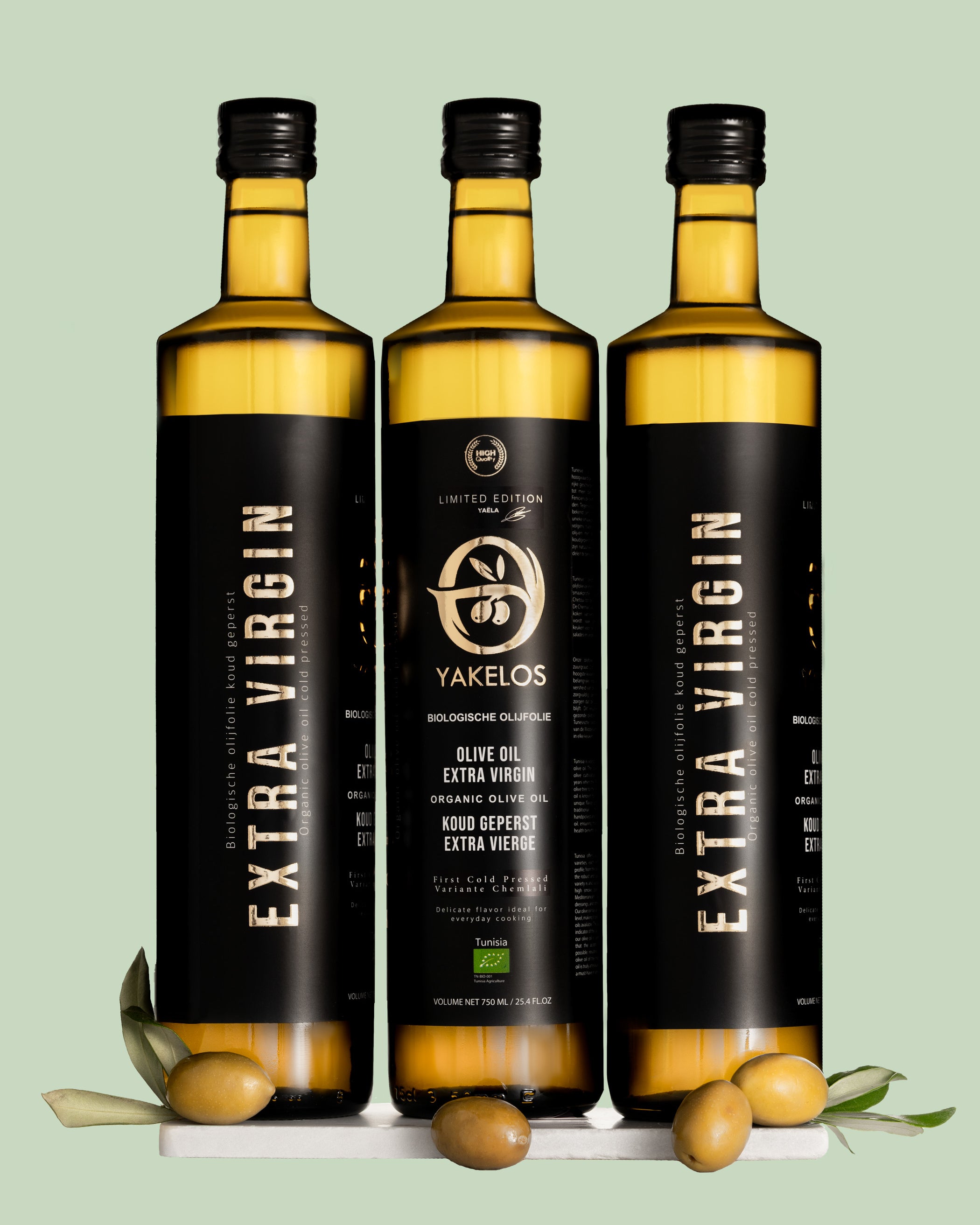
There are several types of olive oil you can use in your daily life. The most common varieties are extra virgin olive oil, virgin olive oil, and refined olive oil. Extra virgin olive oil is the highest quality and is obtained through mechanical pressing of the olives. It has an intense flavor and aroma, making it ideal for salads and dressings. Virgin olive oil is also high quality but has a slightly lower acidity than extra virgin and is suitable for sautéing and frying. Refined olive oil is a blend of virgin olive oil and refined oils. It has a neutral taste and can be used for various cooking methods. Using different types of olive oil in your everyday cooking can enrich your dishes and support your health.
The olive oil production process
The production process of olive oil begins with harvesting the olives. They are picked either by hand or mechanically, depending on the size of the orchard. The olives are then washed to remove dirt and any pesticide residue. Next, they are crushed into a paste while separating the pit and skin. This paste is then pressed to release the oil. The extracted olive oil is filtered to remove impurities and stored in dark, airtight containers to maintain its quality. Producing high-quality olive oil requires precision and craftsmanship from start to finish.
Nutritional value of olive oil
Olive oil is not only delicious — it is also very healthy. It is rich in monounsaturated fats, which benefit the heart and blood vessels. It also contains vitamin E, a powerful antioxidant that protects the body from harmful free radicals. Regular consumption of olive oil can help lower cholesterol levels and support healthy digestion. In short, the nutritional value of olive oil makes it a valuable addition to your daily diet.
Health Benefits of Olive Oil

Protects against cardiovascular disease
Olive oil is widely known for its health benefits, including its ability to protect against cardiovascular disease. Regular consumption can help lower LDL (“bad”) cholesterol and increase HDL (“good”) cholesterol. This reduces the risk of heart attacks, strokes, and other cardiovascular problems. Olive oil also contains antioxidants that help reduce inflammation and protect blood vessels from damage. Adding olive oil to your daily diet is an easy and effective way to support heart health.
Lowers cholesterol levels
Olive oil is well known for its ability to lower cholesterol. It contains monounsaturated fats that benefit the heart and blood vessels. By using olive oil regularly in your diet, you can lower LDL cholesterol and raise HDL cholesterol, helping reduce the risk of cardiovascular disease. Its antioxidants also help reduce inflammation and support overall vascular health. In short, incorporating olive oil into your daily routine can support healthy cholesterol levels and a stronger cardiovascular system.
Supports digestion
Olive oil plays an important role in promoting healthy digestion. Its healthy fats support the breakdown of food and the absorption of nutrients. Regular consumption can help reduce digestive issues such as bloating, indigestion, and constipation. Olive oil also has anti-inflammatory properties that can soothe the digestive system. In short, including olive oil in your daily diet can improve digestion and overall well-being.
Olive Oil in the Kitchen

Using olive oil in cooking
Olive oil is a versatile ingredient that can be used in many ways in the kitchen. It is not only a healthy option but also adds delicious flavor to meals. Its high smoke point makes it excellent for frying and sautéing, and it also works beautifully as a salad dressing or dip for bread. Using olive oil daily can help you maintain a balanced diet while elevating the taste of your dishes.
Olive oil as a salad dressing
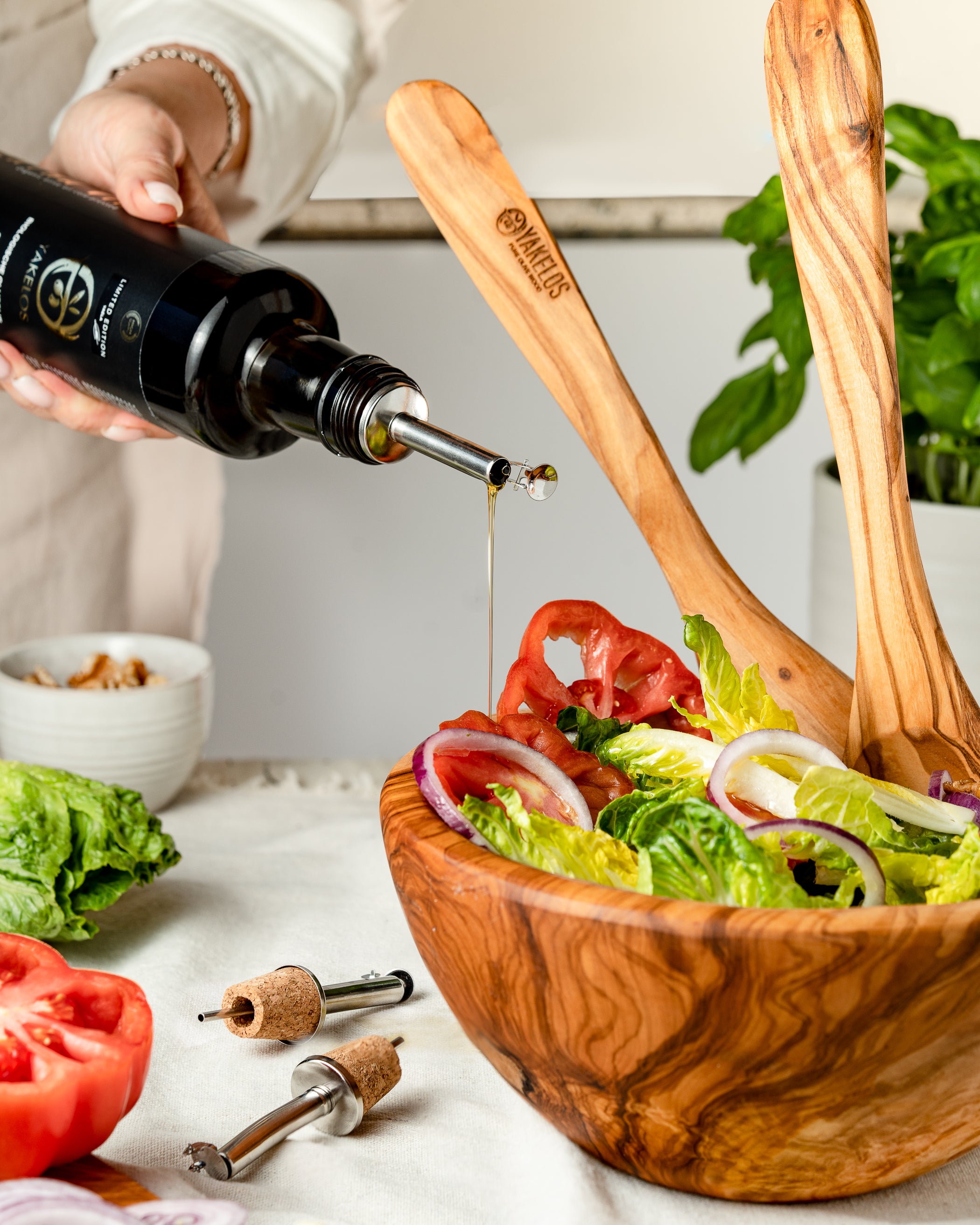
Olive oil is an excellent choice for salad dressings. It adds wonderful flavor and supports your health. Packed with monounsaturated fats and antioxidants, it promotes heart health and reduces inflammation. It also helps improve the absorption of nutrients from vegetables and other salad ingredients. Using olive oil as a salad dressing is both delicious and nutritious!
Olive oil as a substitute for butter
Olive oil can be an excellent substitute for butter in everyday cooking. It contains less saturated fat and no cholesterol, making it a healthier choice for heart health. Its rich flavor also enhances the taste of your dishes. Whether baking, frying, or sautéing, olive oil is a versatile and healthy alternative. Try replacing butter with olive oil and enjoy the benefits in both flavor and health.
Olive Oil for Skincare

Moisturizes the skin
Olive oil is not only popular in the kitchen — it also offers many skincare benefits. Used as a natural moisturizer, it hydrates the skin deeply, reduces dryness, and helps maintain smoothness. Its antioxidants protect the skin from environmental damage, such as pollution and UV exposure. Regular use can reduce fine lines and keep the skin looking youthful and radiant. In short, olive oil is an easy and effective natural moisturizer.
Soothes dry and cracked skin
Olive oil is well known for its ability to soothe dry and cracked skin. Its natural oils help hydrate and nourish the skin, making it ideal for those with dryness. Regular application softens rough areas, repairs the skin’s natural barrier, and reduces inflammation. If you struggle with dry or cracked skin, adding olive oil to your skincare routine can help significantly.
Slows the aging process
Olive oil has long been valued for its anti-aging benefits. Rich in antioxidants, it helps neutralize free radicals and prevent cell damage. Regular use can improve skin elasticity and reduce wrinkles, helping the skin stay healthy and youthful. Adding olive oil to your daily routine is a simple way to support long-term skin vitality.
Olive Oil for Hair Care

Prevents hair loss
Olive oil offers many benefits for hair and can help prevent hair loss. It is rich in vitamin E, antioxidants, and healthy fats that nourish the scalp and stimulate hair growth. Massaging olive oil into the scalp strengthens hair follicles, reduces breakage, and supports overall hair health. It also hydrates hair, giving it shine and softness. Including olive oil in your hair care routine can help keep your hair strong and healthy.
Improves hair growth
Olive oil contains nutrients and antioxidants that promote a healthy scalp and support hair growth. Massaging it into the scalp helps improve blood circulation, stimulating the hair follicles. Olive oil also moisturizes and protects hair from heat and styling damage. Adding olive oil to your daily hair care routine can support fuller, healthier hair.
Makes hair shiny and healthy
Olive oil hydrates and nourishes the hair, leaving it shiny and healthy-looking. It softens the hair, making it easier to detangle and style. Regular use can reduce split ends and prevent breakage. In short, using olive oil in your hair care routine keeps your hair glossy, strong, and vibrant.
Environmental Friendliness of Olive Oil
Sustainable olive oil production
Olive oil is not only delicious, but it also has environmental benefits when produced sustainably. Choosing sustainably produced olive oil helps reduce ecological impact. Sustainable production considers natural resources, protects biodiversity, and minimizes the emission of harmful substances. It also ensures olive groves are managed responsibly for long-term preservation. By choosing sustainable olive oil, you enjoy great flavor while contributing to a healthier planet.
Organic olive oil
Organic olive oil is an excellent choice for daily use. It is made from olives grown without pesticides or synthetic fertilizers, making it free from harmful chemicals. Organic olive oil has a rich flavor, is packed with healthy fats, and offers anti-inflammatory benefits. It can also help lower cholesterol and support overall well-being. Choosing organic olive oil means choosing both flavor and a healthier lifestyle.
Recyclability of olive oil packaging
Olive oil packaging is highly recyclable and contributes to a more sustainable lifestyle. Recycling helps reduce waste and preserve natural resources. Used packaging can be turned into new products, reducing the need for raw materials and lowering CO₂ emissions. Being mindful of recycling olive oil containers helps us work toward a cleaner, greener future.