

The Dutch consumer programme Keuringsdienst van Waarde had 27 bottles of “extra virgin” olive oil from the supermarket tested. More than half turned out not to be extra virgin at all. Cheap bottles failed, but so did expensive ones. How is that possible, and how do you choose a good olive oil?
What the Keuringsdienst van Waarde concluded in 2024
In 2024, the Keuringsdienst van Waarde concluded after an investigation that extra virgin is the only good choice when buying olive oil. But which extra virgin oil should you pick? Some bottles cost €9.00, others €24.00, and some far more. All of them claim to be extra virgin, and many also claim “superior quality”. So why the huge price difference?
The term “superior quality” is not defined anywhere. In practice it says little to nothing about what is in the bottle.
When can olive oil be called extra virgin?
The label “extra virgin” is tied to criteria for the production process, taste and smell. The oil must come from harvested olives and be extracted by mechanical means only, ideally within 24 hours of picking.
Extra virgin olive oil comes from the first cold extraction of the olives, as soon as possible after harvest. Picking and transport always damage the olives slightly, which raises the acidity. The rule of thumb: the lower the acidity, the higher the quality.
Taste and smell matter too. An expert tasting panel must detect no defects and at least a light fruitiness.
The EU olive oil quality grades
The European Commission has set definitions so consumers know which quality belongs to which acidity level (free fatty acids, expressed as oleic acid):
- Extra virgin olive oil: first-extraction olive oil with no more than 0.8 g of free fatty acids per 100 g.
- Virgin olive oil: no more than 2.0 g of free fatty acids per 100 g.
- Lampante olive oil: literally “lamp oil”. Not fit for human consumption and historically used for lighting. This covers any olive oil with an acidity above 2.0%, including virgin oil contaminated with other undesirable substances.
The 2026 test results: 15 of 27 bottles failed
In 2026 the Keuringsdienst van Waarde looked again at supermarket olive oils sold as extra virgin. Anyone who buys a bottle labelled extra virgin should be able to expect extra virgin oil inside. The test shows that this is far from always the case.
Of the 27 olive oils tested (see the full results):
- 12 were actually rated extra virgin
- 11 were rated virgin
- 4 were rated lampante
In other words, 15 of the 27 oils did not meet the extra virgin standard at the time of testing. Some cheap bottles failed, but a high price was no guarantee either.
Why cheap extra virgin olive oil often isn't extra virgin
What stands out is how cheap much of the oil sold as extra virgin is. Too cheap, in our view. It is simply not feasible to produce genuine extra virgin olive oil, ship it to the Netherlands and sell it in a supermarket for around €10 per litre or less.
That suggests corners are being cut. A likely method is extracting the last drops of oil from the olive pulp, often with chemical treatment, and then blending in just enough extra virgin oil to stay under the 0.8 g per 100 g limit.
But olive oil is a natural product and loses quality over time. Time, heat and oxygen raise the free fatty acid content, so a blend sitting right at the limit soon crosses it. “Extra virgin” then quickly becomes virgin, or even lampante.
How to buy genuine extra virgin olive oil
Our advice: buy your extra virgin olive oil from a small, specialised retailer. They care about their product and can supply excellent extra virgin oil. It will cost a little more than supermarket oil, which is logical and fair. Quality is worth paying for.
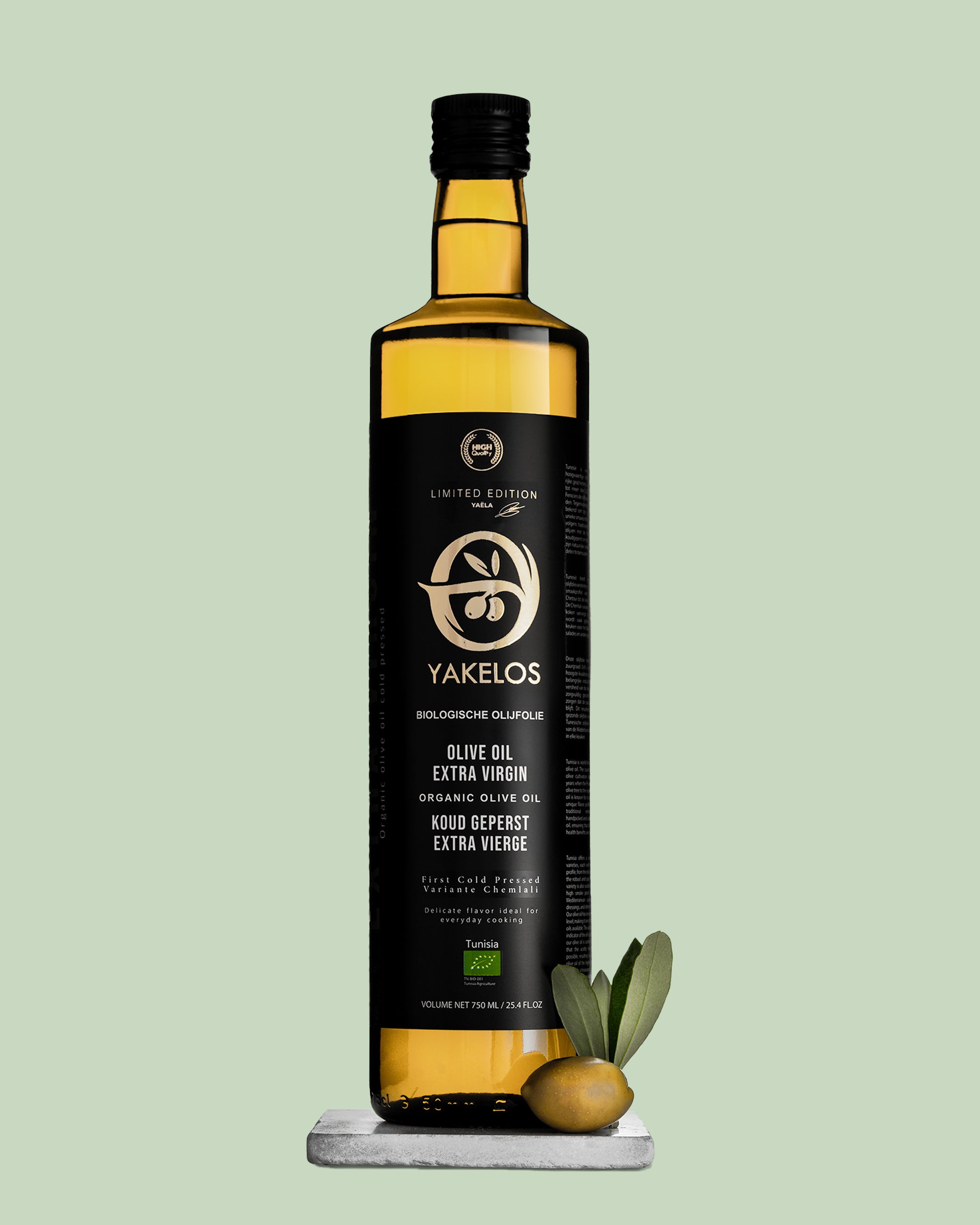
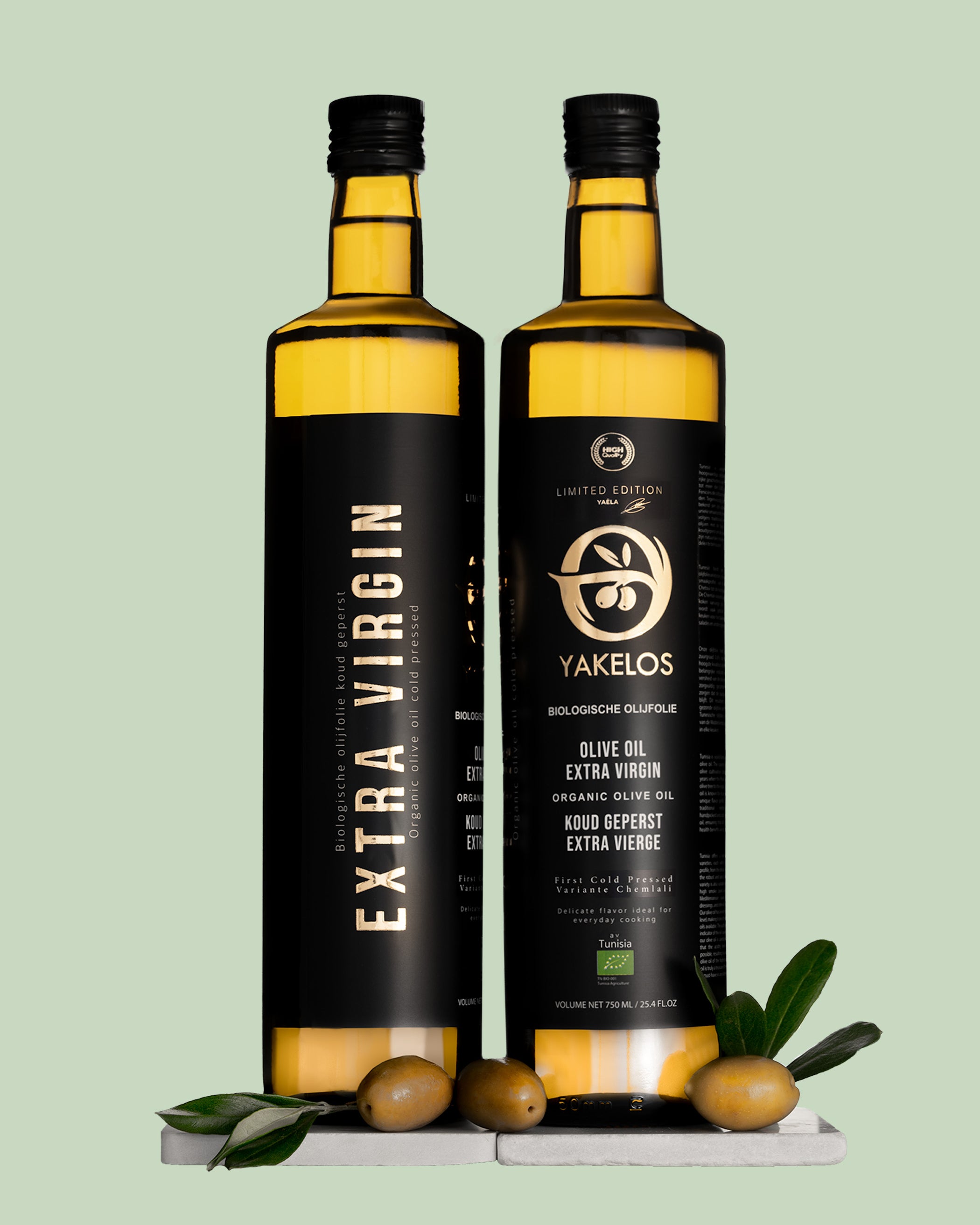
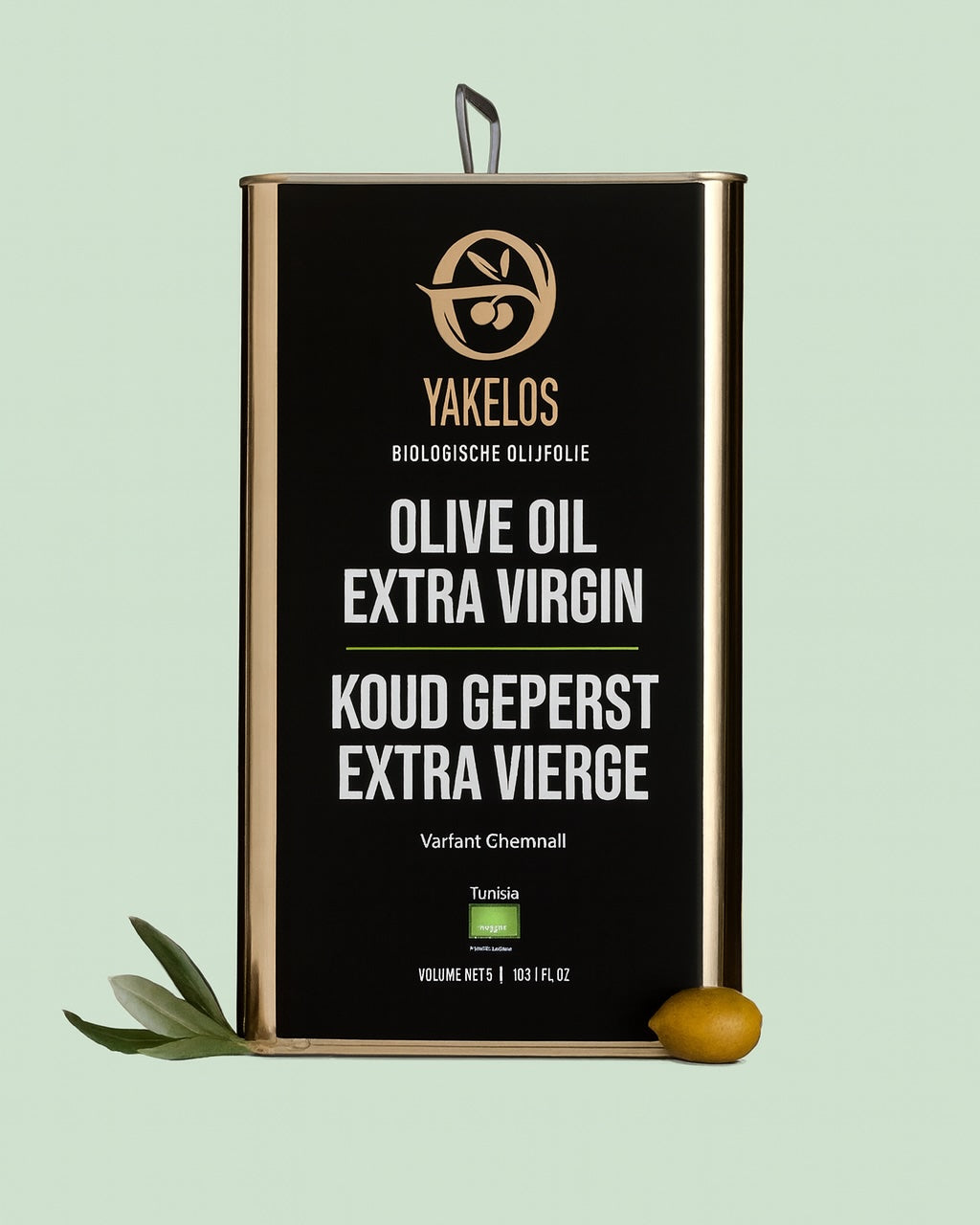
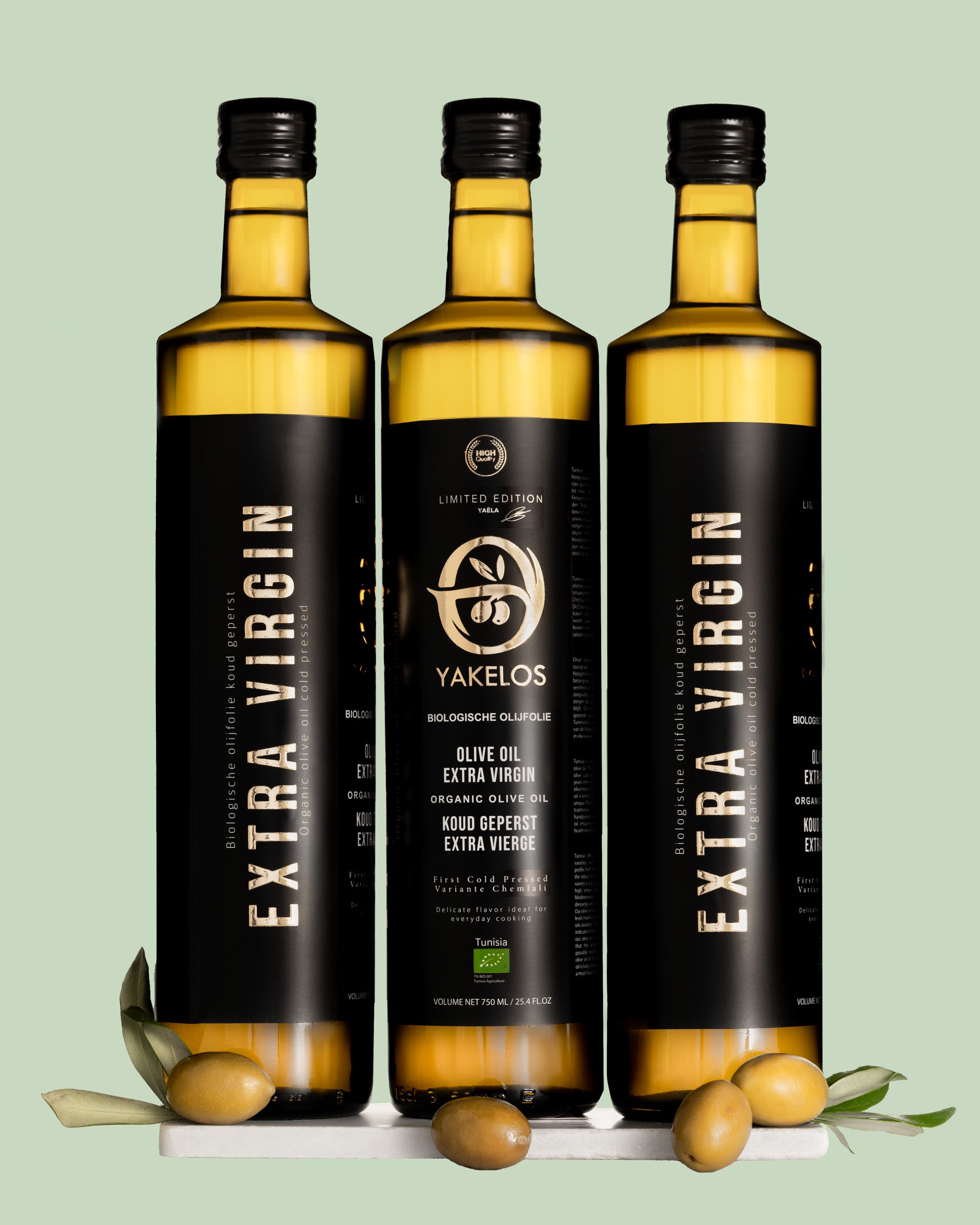
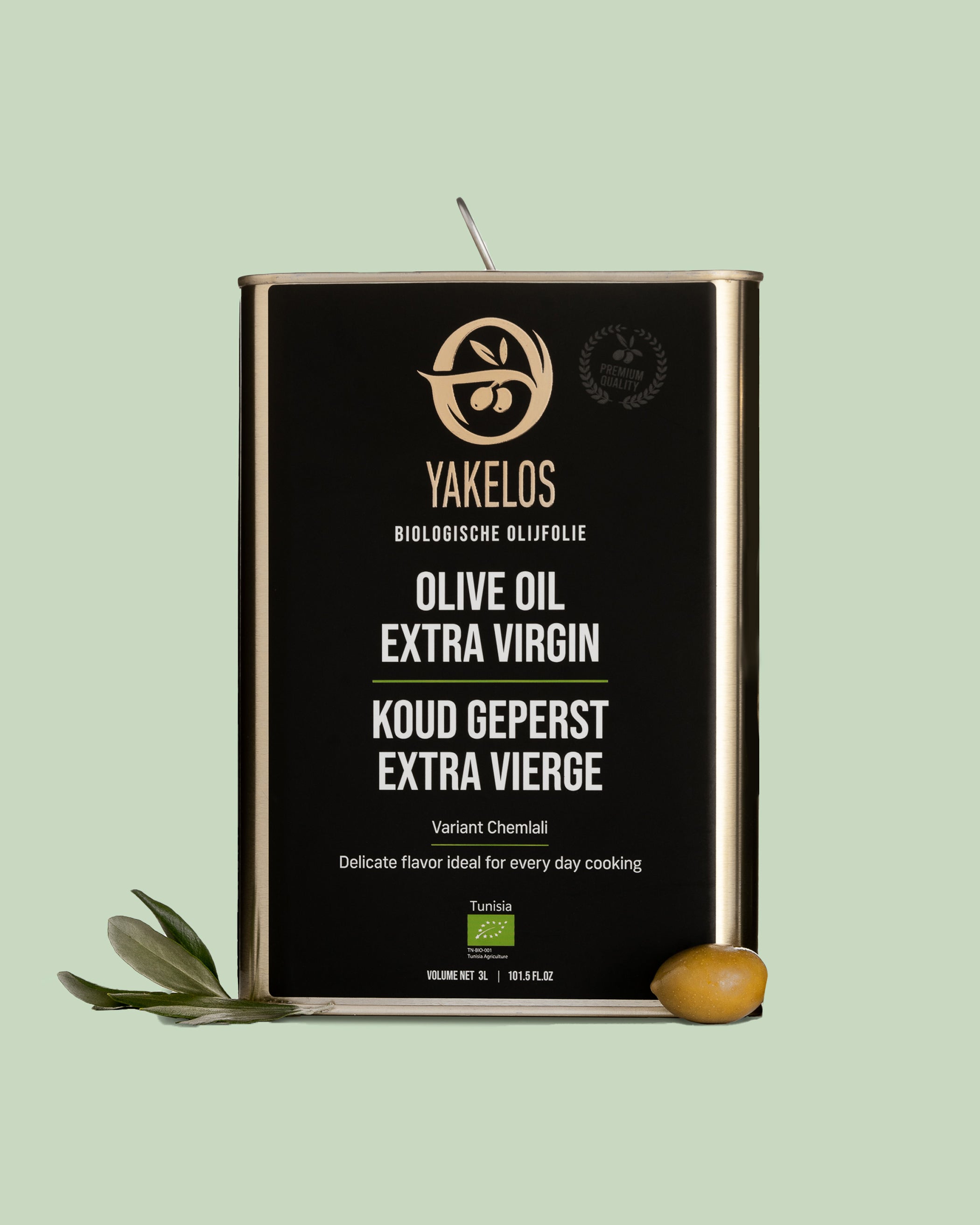
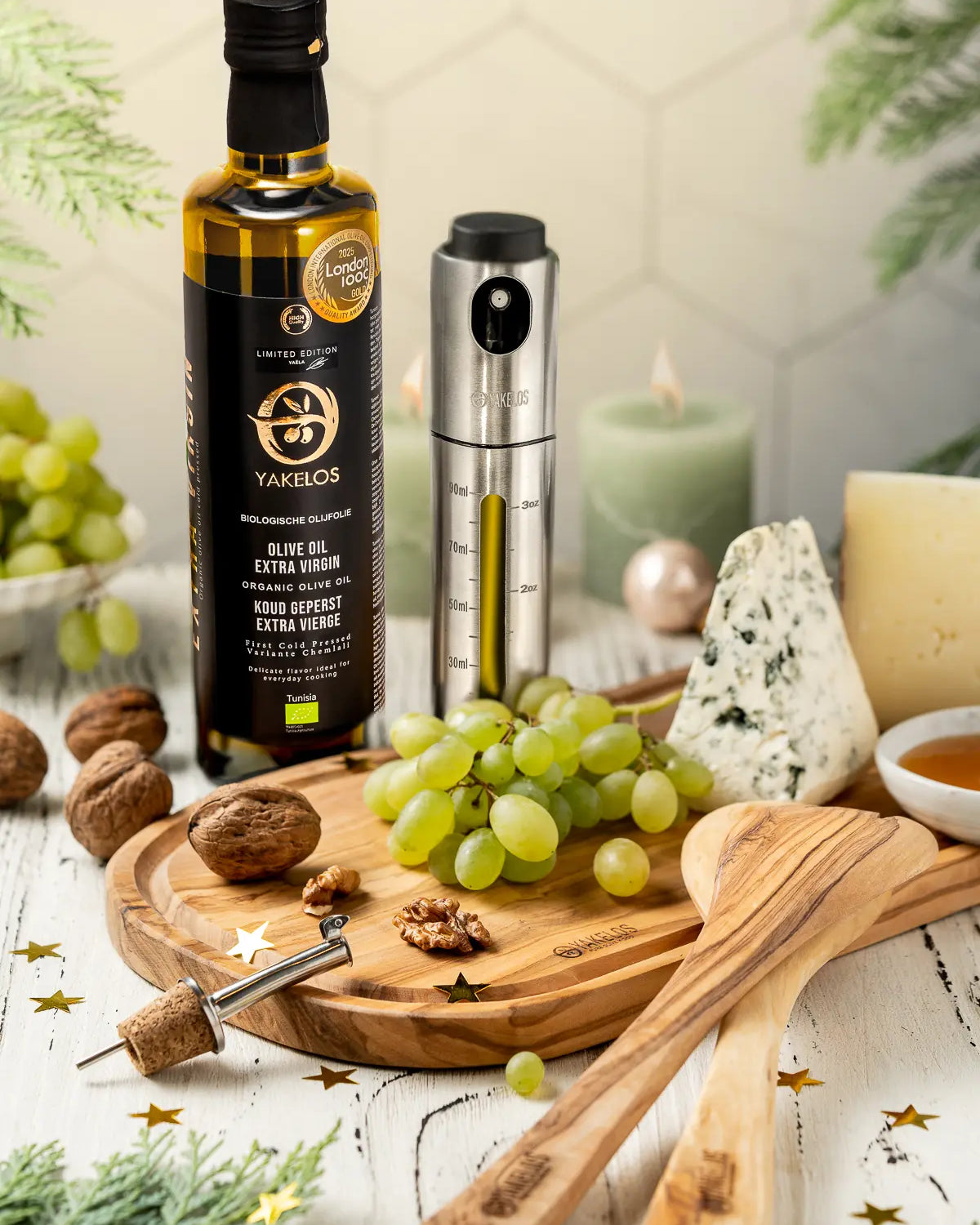
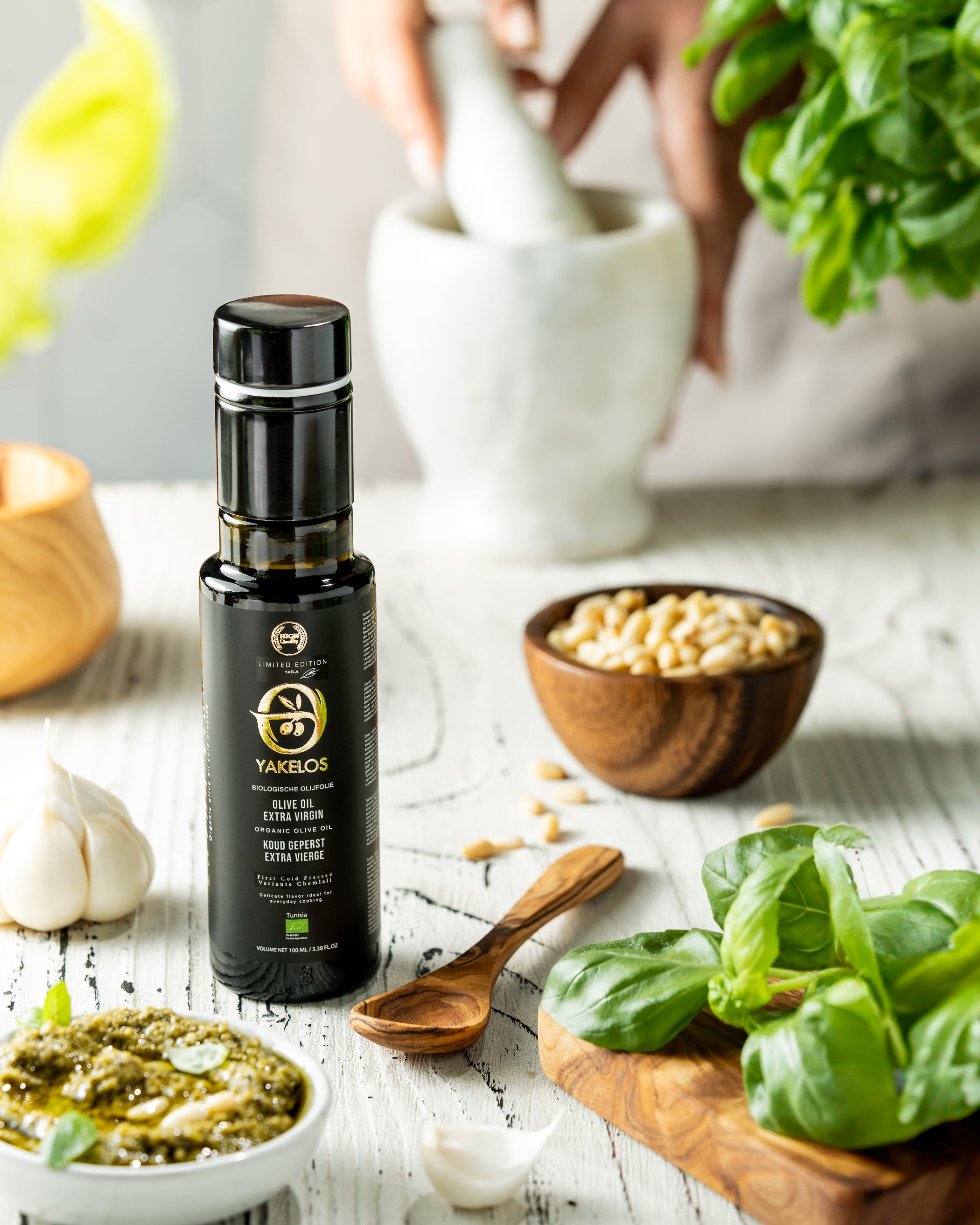
Looking for olive oil you can trust? Discover the extra virgin olive oils from Yakelos.