

A steak comes off the grill, and someone finishes it with a few drops of something dark and faintly smoky. That is often smoked olive oil, a bottle that has quietly found its way onto more kitchen shelves. This article explains what it actually is, how it is made, and how to use it without wasting the flavour.
What smoked olive oil is and how it is made
Smoked olive oil starts as a genuine extra virgin olive oil, then it is smoked slowly over wood such as beech or oak at a low temperature. This keeps the oil's structure and fruitiness intact rather than cooking it away. The base has to be real extra virgin, never a refined or blended oil, because refining strips out the very compounds that smoke builds on.
The quality of that base decides the result. A fresh oil with low acidity, a measure of how far the fat has broken down, gives the smoke something worth carrying. Understanding what extra virgin means helps you judge whether a smoked oil started from something worth smoking in the first place.
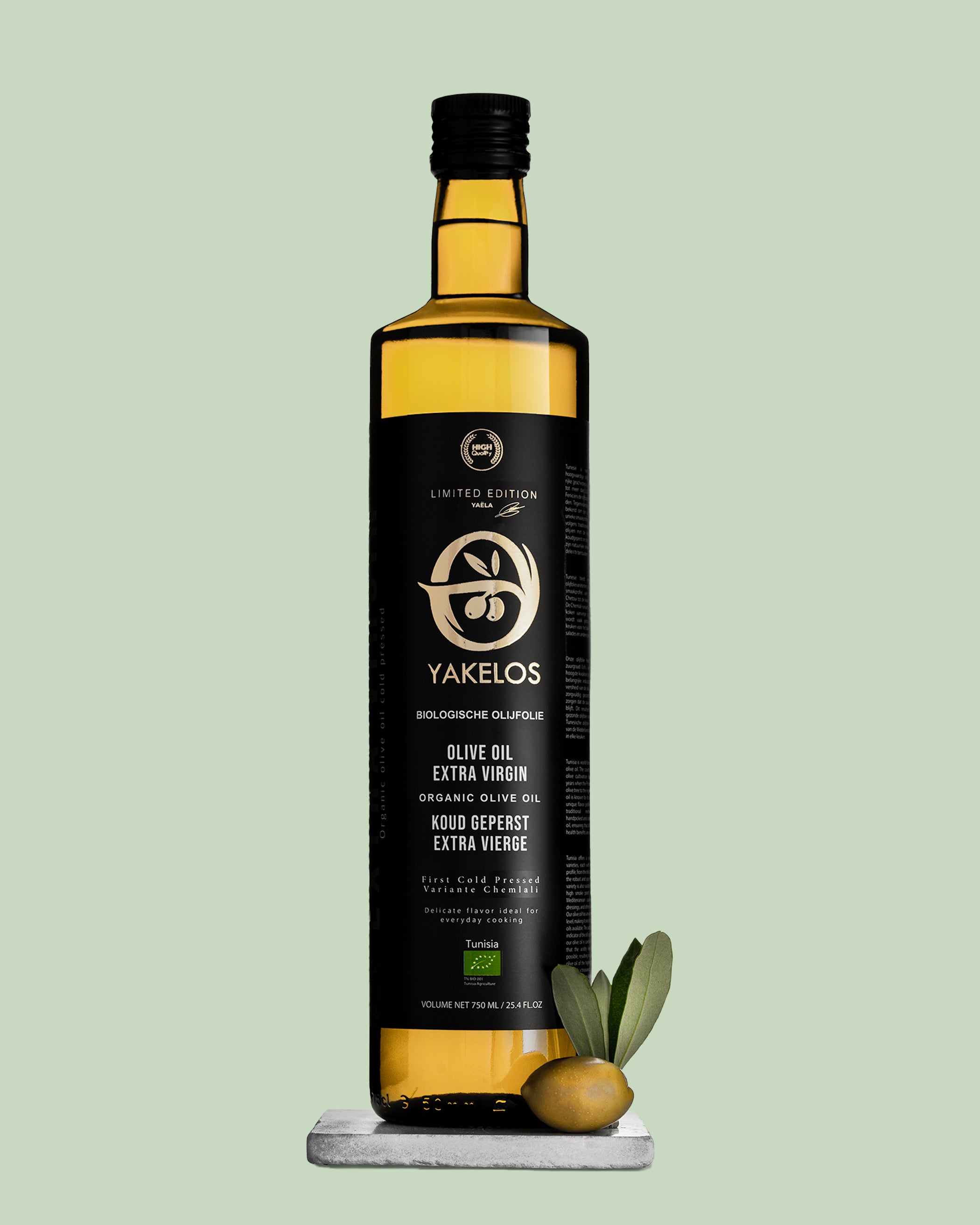
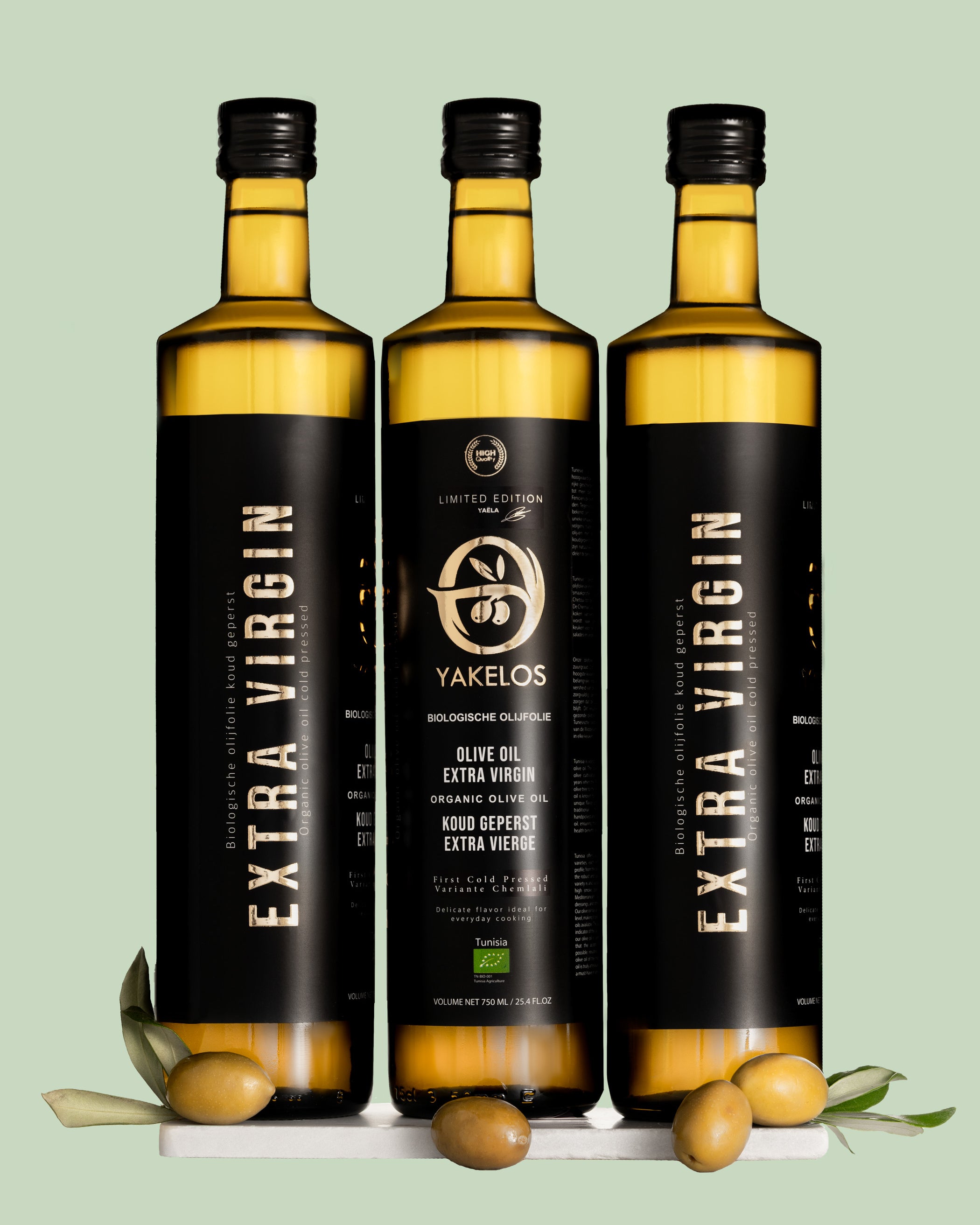
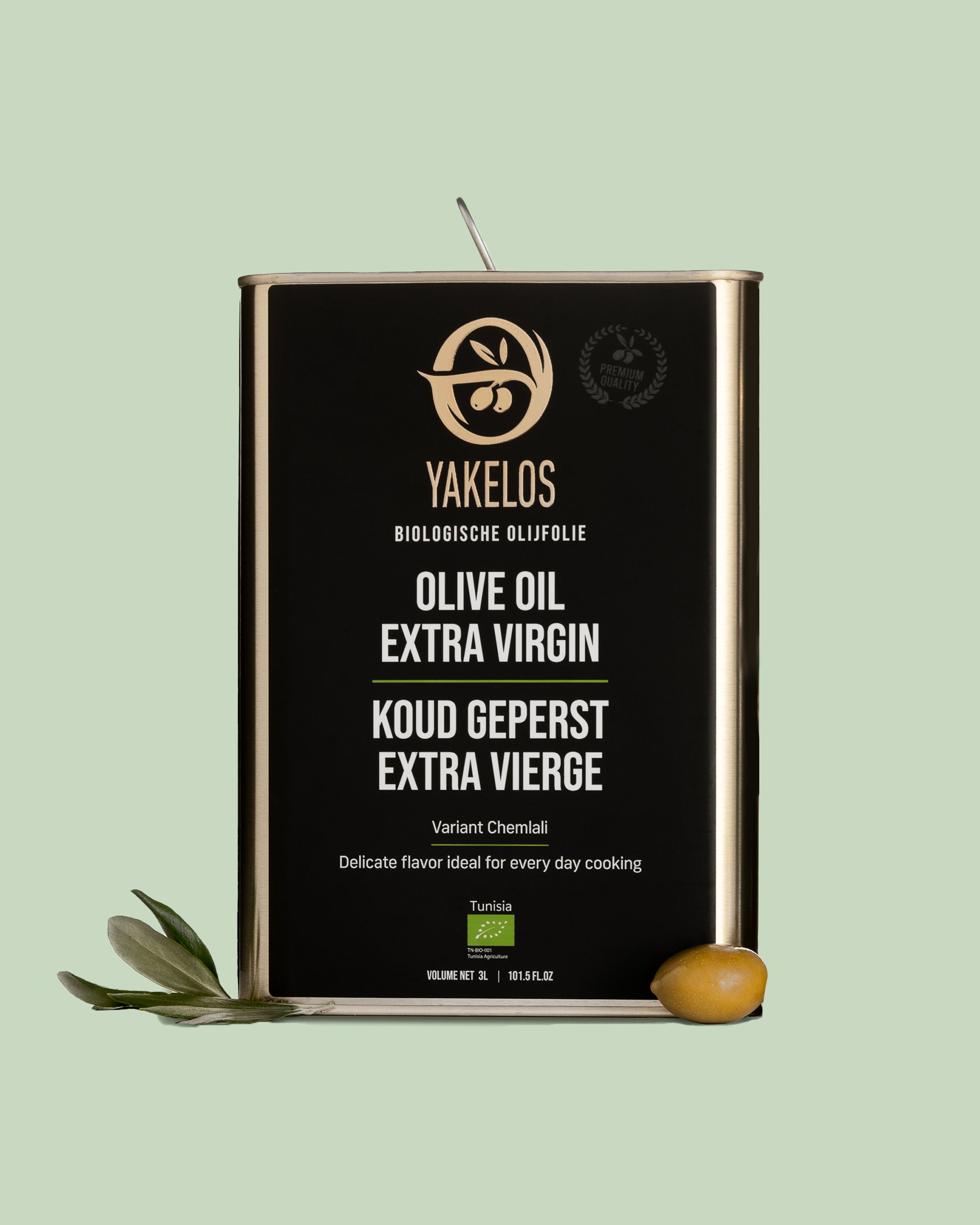
Yakelos organic extra virgin olive oil specifications
- Olive variety: Chemlali, a single variety
- Origin: central Tunisia
- Acidity: roughly 0.2 to 0.4%
- Processing: cold, below 27 degrees, within hours of harvest
- Certification: SKAL and EU Organic
- Shelf life: up to 2 years from bottling
Real smoking versus added smoke flavouring
How do you know if a bottle labelled smoked olive oil went anywhere near real smoke? The label tells you more than the shelf talker does. A genuine smoked oil lists only olive oil as its ingredient and names the wood or smoking method used.
A flavoured version instead declares a smoke aroma, an added flavouring that mimics the effect without ever touching a fire. That distinction matters, because added flavourings can mask a poor base oil rather than enhance a good one. The same shortcuts that hide olive oil fraud often show up as vague labelling on a bottle of smoked oil too.
- Ingredient list names only olive oil
- The wood or smoking method is stated
- No smoke aroma listed as an additive
- A mild savoury depth, not a sharp artificial edge
How to use smoked olive oil in the kitchen
Picture a bowl of warm boiled potatoes with a few drops of smoked olive oil stirred through at the table. That is the moment to use it. Heat destroys the delicate smoky aroma before it ever reaches the plate, so this is a finishing oil, added cold and at the very last moment.
For more on matching an oil to a dish, see choosing olive oil per dish.
- Grilled vegetables
- Potatoes
- Fish and meat, such as grilled salmon or steak
- A boiled egg
- Carpaccio
- A creamy soup
- A smoky twist in aioli or a barbecue sauce
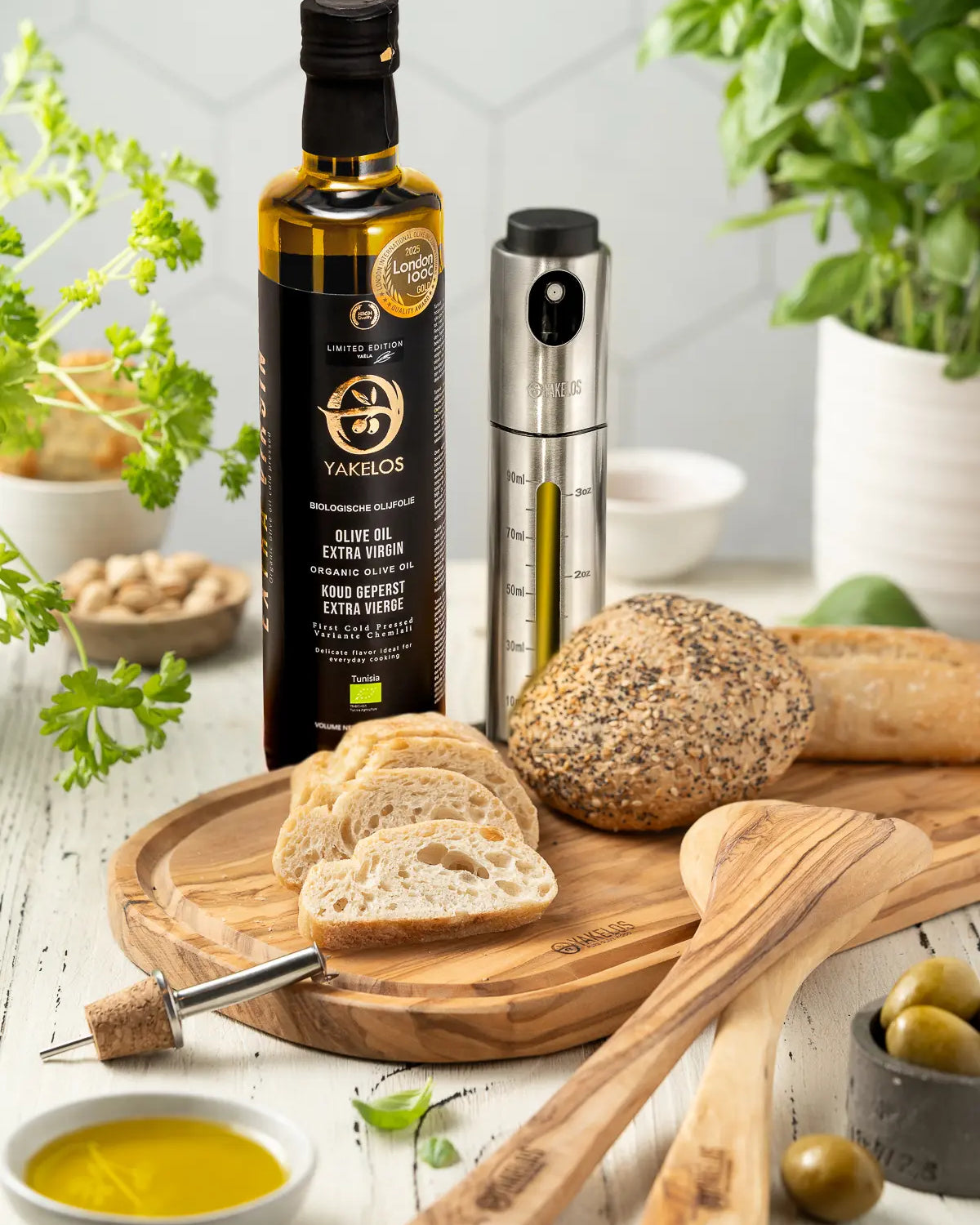
Tip from Yakelos: add smoked olive oil only once a warm dish is off the heat, and start with just a few drops. The aroma is concentrated, so a little goes a long way, and you can always add more.
When a plain extra virgin oil is the better choice
Smoked olive oil is an occasional accent, not something you reach for every day. For daily cooking, dressings and raw use where you want the pure taste of the olive itself, a fresh extra virgin olive oil is the more versatile choice. Save the smoked bottle for dishes that genuinely benefit from that extra layer of smoke.
Looking for an oil to use every day?
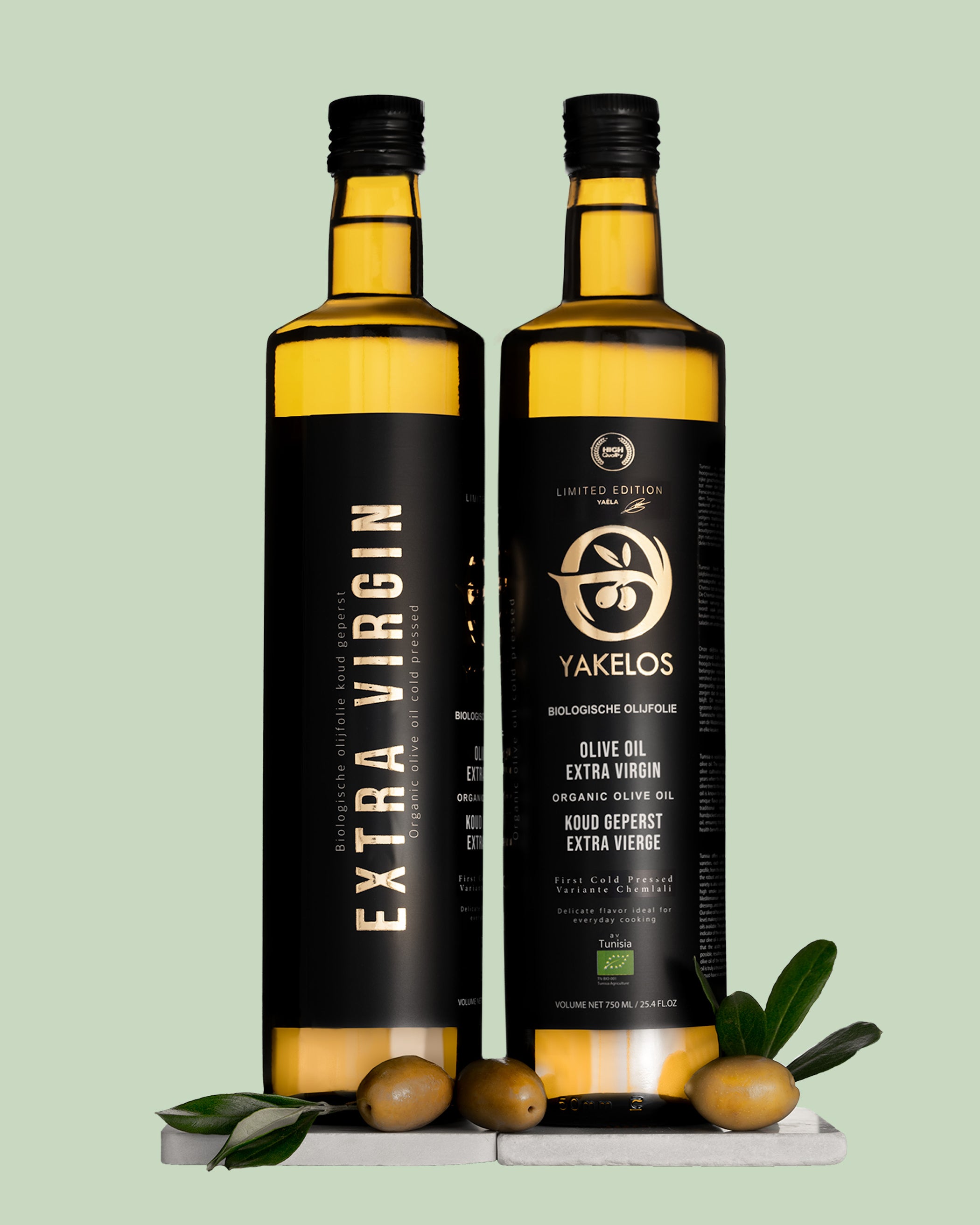
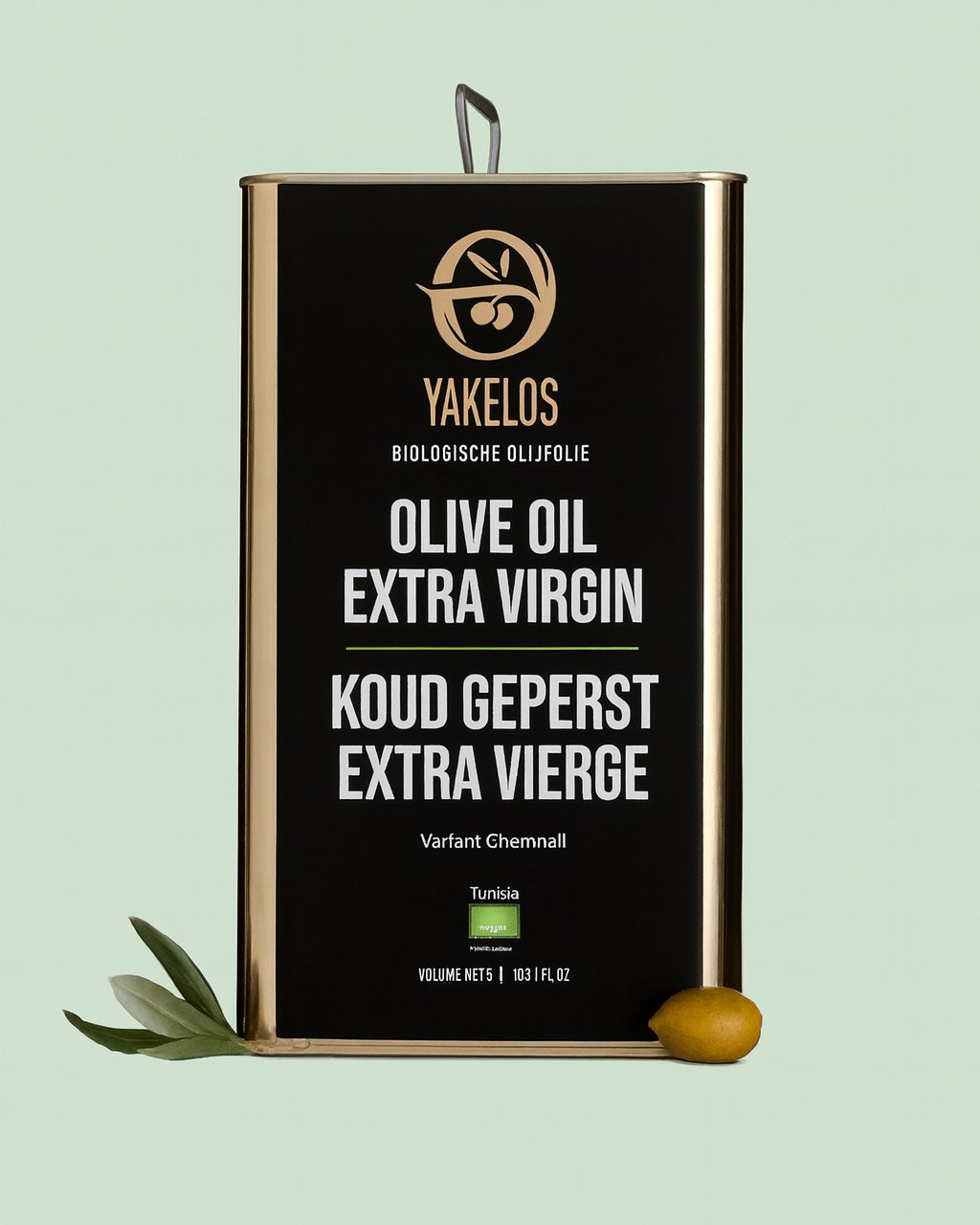
Yakelos Organic Extra Virgin Olive Oil is made from early harvested Chemlali olives, with an acidity of roughly 0.2 to 0.4 percent and a flavour of almond, fresh grass and a subtle peppery finish. It works well both raw and in everyday cooking. Have a look at the organic extra virgin olive oil in the shop.
In short
Smoked olive oil is a genuine extra virgin oil that has been cold smoked over wood, not simply flavoured. Check the label for the wood or process named, not just an aroma listed as an additive. Use it cold, as a finishing touch, on grilled vegetables, potatoes, fish, meat or a bowl of soup.
For everyday cooking, a fresh extra virgin oil remains the better and more versatile choice.
Frequently asked questions about smoked olive oil
Can you cook or fry with smoked olive oil?
No, it is meant for cold finishing. Heat destroys the delicate smoky aroma, so use a regular oil for cooking and add the smoked oil once the dish is off the heat.
How much smoked olive oil should you use?
A few drops or a small drizzle is enough, since the flavour is intense. That also means a bottle lasts a long time.
How do you tell real smoked olive oil from oil with smoke flavouring?
Check the label. A genuine oil lists only olive oil and names the wood or process used, while a flavoured one declares a smoke aroma as an added ingredient.
Which dishes go well with smoked olive oil?
Grilled vegetables, potatoes, fish and meat all suit it well. A boiled egg, carpaccio, a creamy soup or a barbecue sauce work nicely too.
How long does smoked olive oil keep after opening?
Like any olive oil, store it cool and dark, away from light and heat. Use it within a reasonable time so the smoky flavour stays fresh.
Is smoked olive oil good for vegetarian dishes?
Yes. Its savoury, smoky depth can add a note of umami to vegetable dishes where meat or fish would otherwise provide it.
For more on picking and storing the right bottle, have a look at the olive oil FAQs.