

You open the cupboard on a cold morning and find your olive oil has turned cloudy, even solid at the bottom. That is normal. The olive oil melting point is not one fixed figure: it clouds between about 10 and 4 degrees and fully solidifies around minus 6 degrees, melting back over the same range.
In short:
- -6°C the temperature at which olive oil fully solidifies and melts back
- 10 to 4°C the range where olive oil starts to cloud and thicken
- 0.2 to 0.4% the acidity of Yakelos oil, well below the 0.8% extra virgin ceiling
Why olive oil does not have one exact melting point
Why does olive oil soften over a range instead of melting at one clean point? The oil is a mixture of different fatty acids, and each type behaves differently in the cold. Some stay liquid well below zero, others start to thicken as soon as the temperature drops.
The exact mix depends on the olive variety, the harvest year and how rich the oil is. That is why one bottle can cloud a little earlier than another.
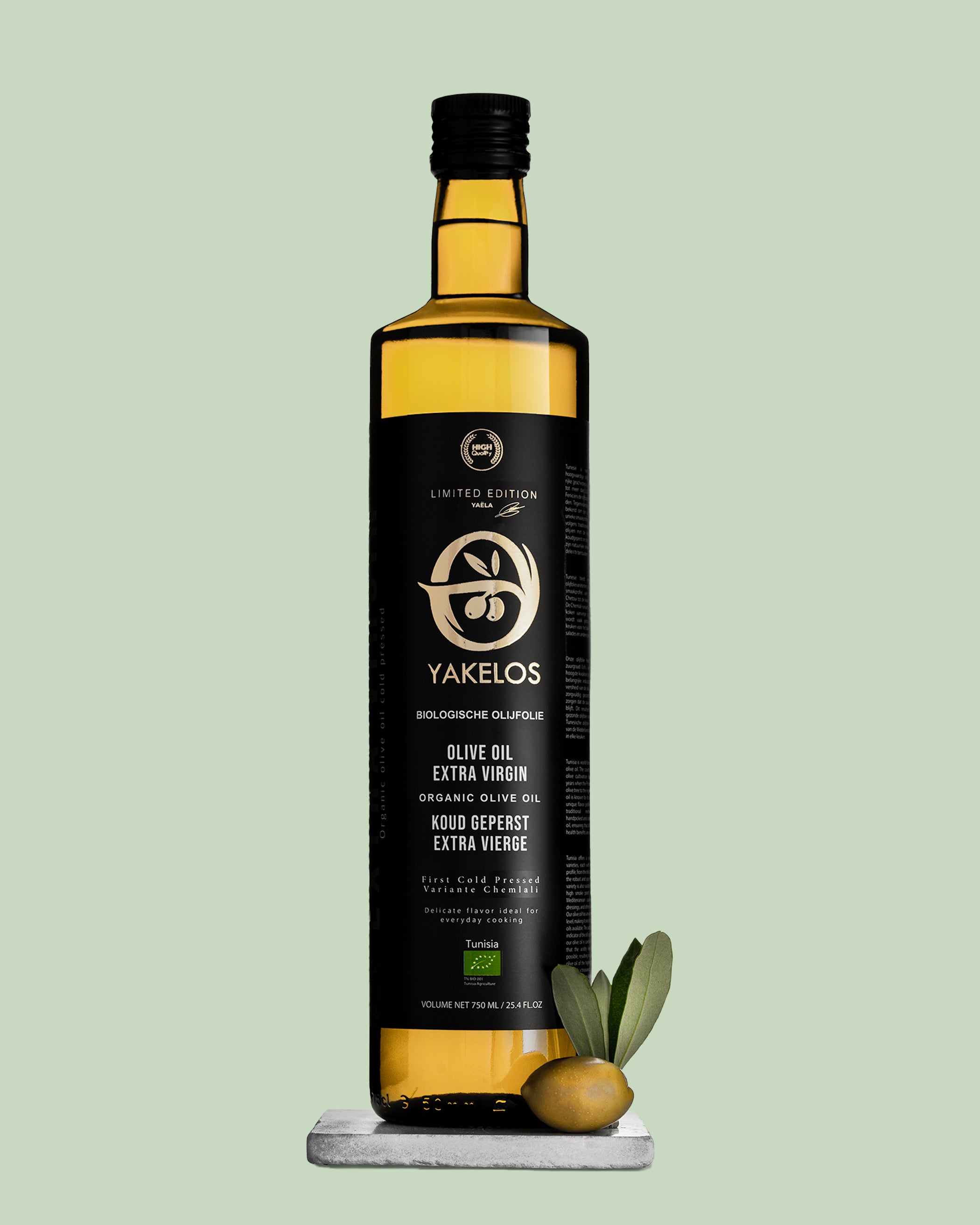
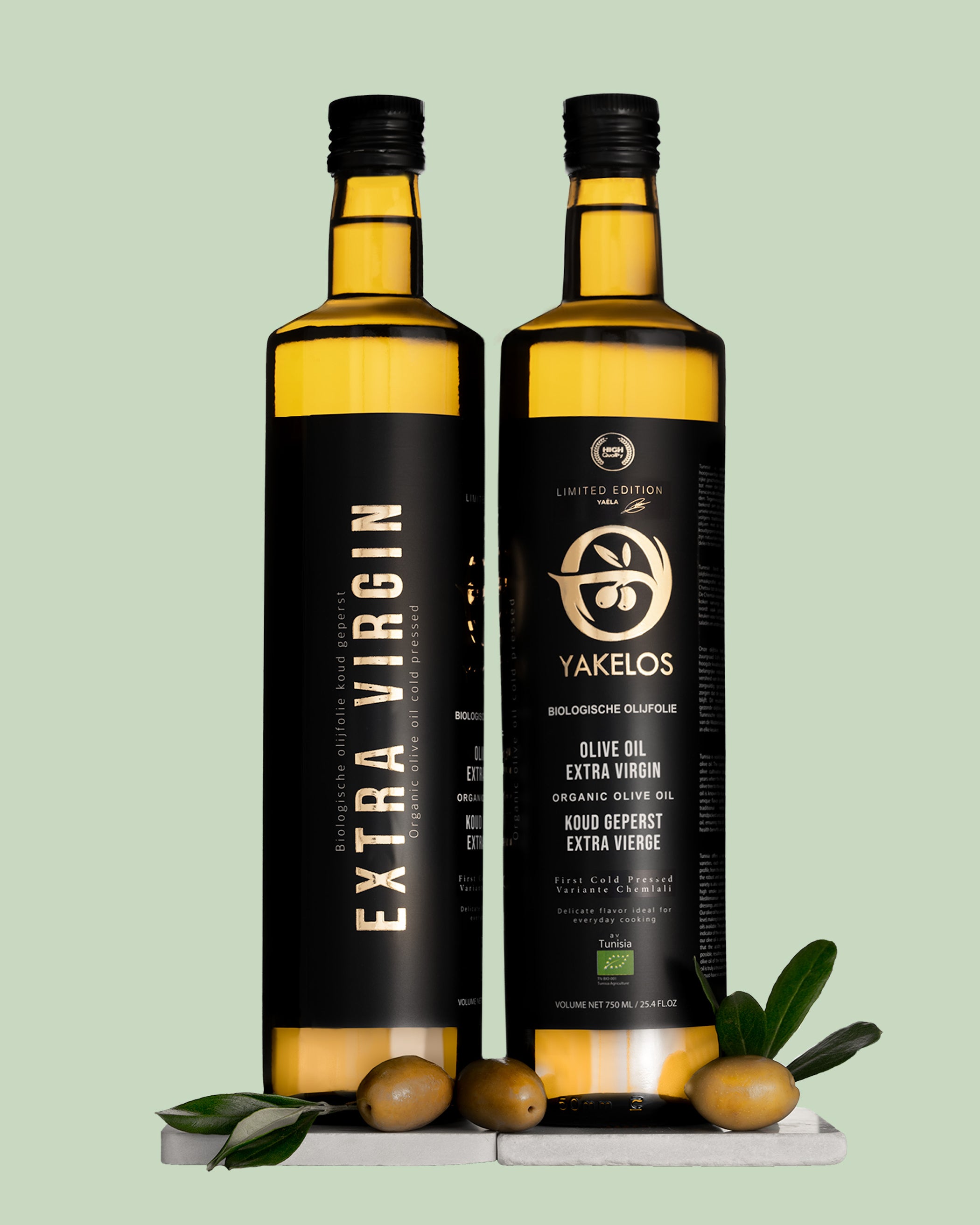
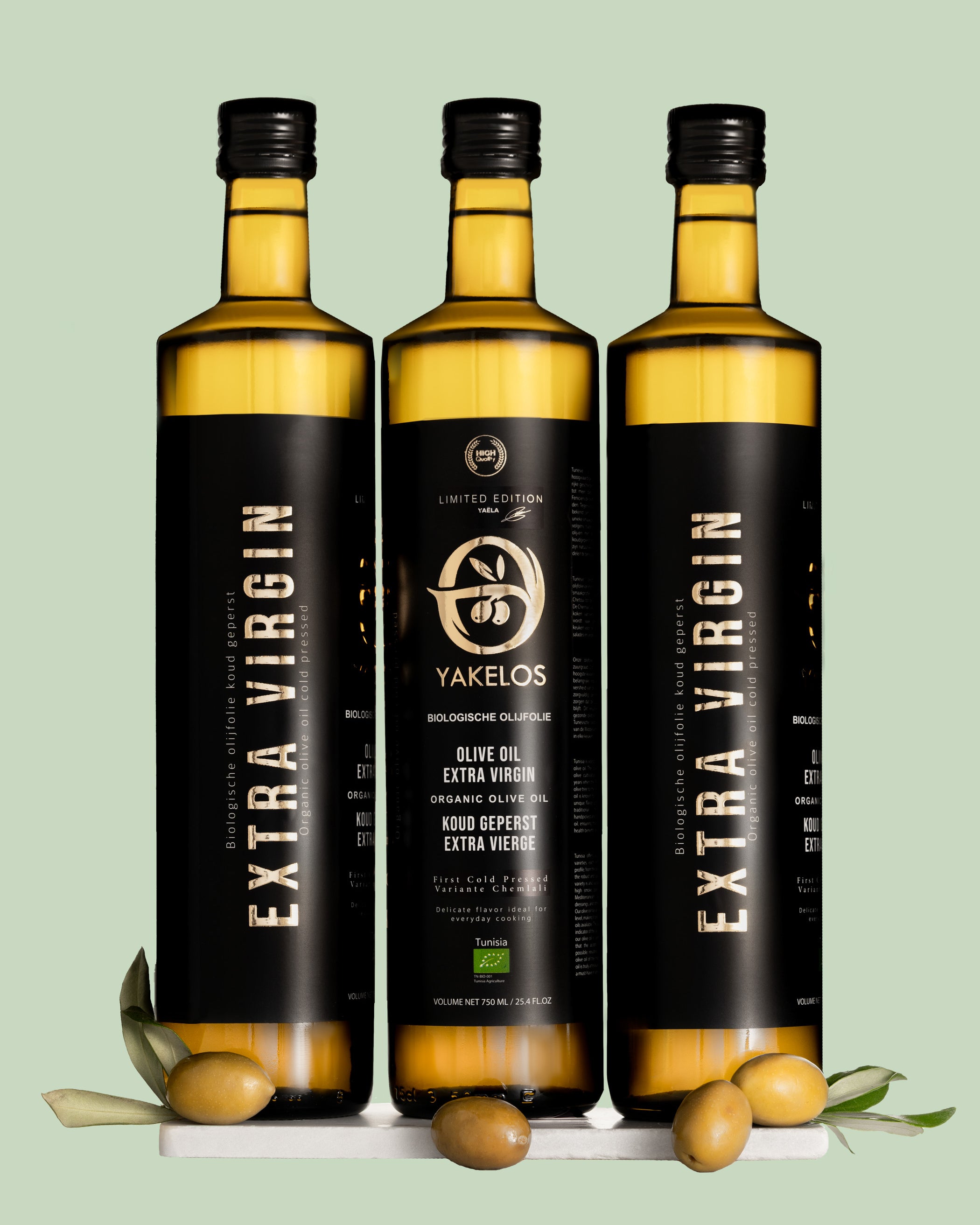
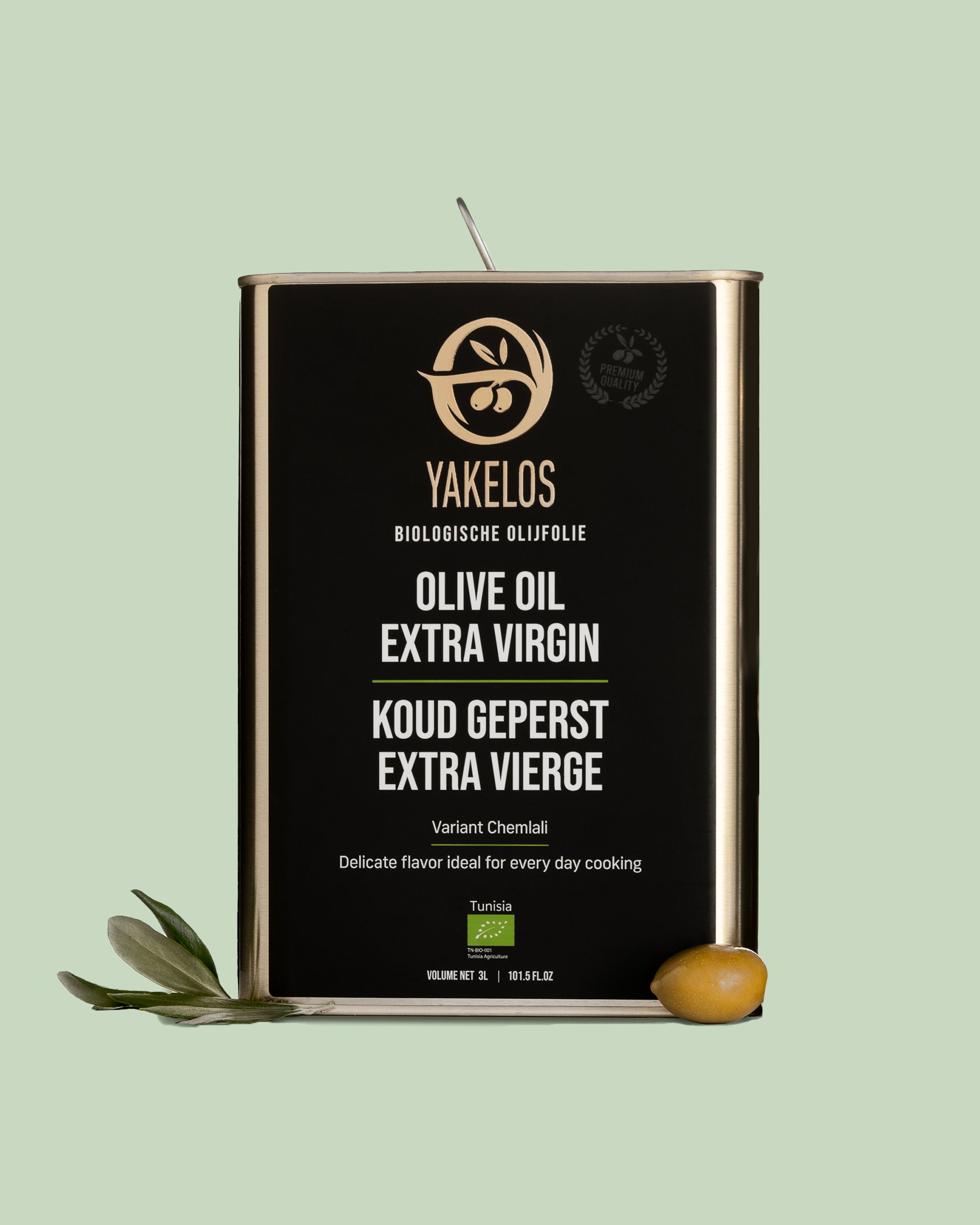
Yakelos oil comes from a single variety, the Chemlali olive variety, grown in central Tunisia. Its own fatty acid profile shapes a melting range that stays consistent from bottle to bottle.
Is cloudy or solidified olive oil still good?
A cloudy bottle, white flakes, or oil that has turned solid in the fridge does not mean anything has gone wrong. This is simply fat responding to cold, much like butter does. Solidifying does not change the taste, the nutrients or how long the oil keeps.
Cold makes olive oil solidify, but it is oxygen, light and heat that actually spoil it.
It is not a reliable test for purity or for extra virgin quality, whatever some sellers suggest online. What actually harms olive oil is oxygen, light and heat, never the cold.
You can read more about what causes olive oil going bad; those three factors matter far more than a spell in the fridge.
How to make solidified olive oil liquid again
Picture a bottle that spent the night on a cold windowsill and now looks like wax at the bottom. There is an easy fix, and it needs nothing more than patience.
- Take the bottle out of the cold and bring it indoors.
- Leave it at room temperature for a few hours until it turns clear again.
- Give it a gentle swirl once it is fully liquid.
- Avoid hot water, direct heat or the microwave, which can damage the oil.
This gradual return to liquid, described in more detail on olive oil solidifying in the cold, costs the oil nothing in taste or quality. There is no need to force the process.
Melting point versus smoke point: two different things
The melting point and the smoke point sit at opposite ends of the temperature scale, and confusing them causes most of the online worry. The melting point is about cold: how olive oil behaves in the fridge or on a cold windowsill.
The smoke point is about heat: the temperature where the oil starts to break down and visibly smoke.
| Temperature range | What happens |
|---|---|
| Around -6°C | Oil fully solidifies and melts back over the same range |
| 10 to 4°C | Oil starts to cloud and thicken |
| 160 to 200°C | Extra virgin olive oil reaches its smoke point |
You can read more about the olive oil smoke point and what it means for everyday cooking. The Yakelos oil, for example, suits raw use and cooking up to about 170 to 180 degrees, which covers most frying and roasting at home.
Storing olive oil so cold is never the problem
Picture the bottle standing open on the counter next to the hob, catching sunlight through the kitchen window every afternoon. That spot does far more damage than a cold fridge ever would. Oxygen, light and heat break down the compounds that give a fresh oil its flavour and its stability.
Tip from Yakelos: store the bottle in a closed cupboard rather than on the counter. Light steadily breaks down the antioxidants that make a fresh oil worth buying, far more than a spell in the cold ever will.
A cool, dark cupboard, away from the hob and the windowsill, is ideal. Cold is never the issue: a closed cap and a spot out of the light protect the oil far better.
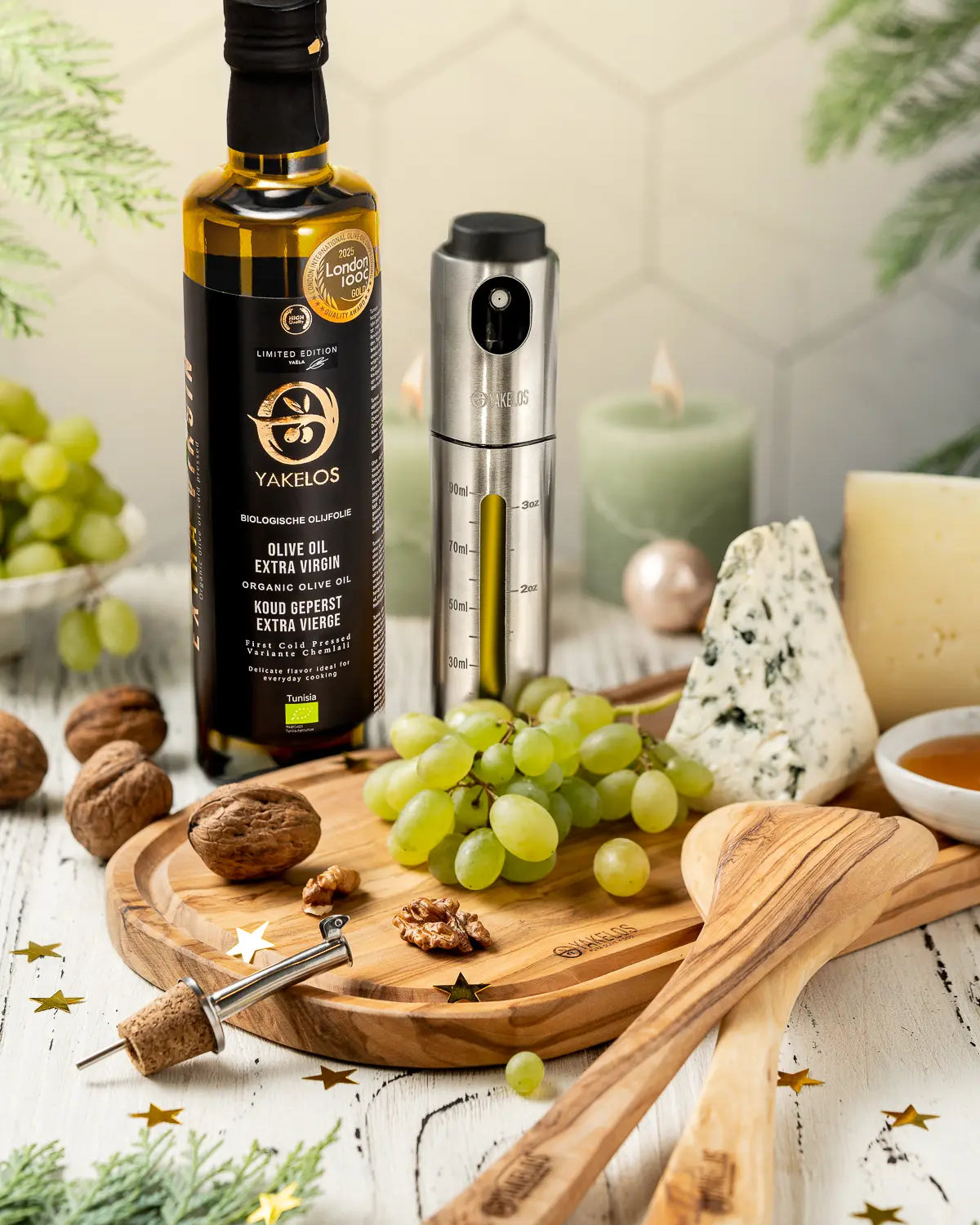
Have a look at the organic extra virgin olive oil in the shop, and store it the same way once it arrives.
Cold, quality and what actually matters
Olive oil clouding or solidifying in the fridge is normal, driven by its mix of fatty acids rather than one melting point. It says nothing about purity, variety or grade. What genuinely affects the oil is oxygen, light and heat, not the cold.
The smoke point, well above normal cooking heat, is the figure that matters once the pan goes on. Keep both ranges in mind, and the oil will serve you well whether it is chilled, at room temperature or gently heated.
Frequently asked questions about olive oil and the cold
At what temperature does olive oil solidify?
It starts to cloud somewhere between about 10 and 4 degrees. Full solidifying happens around minus 6 degrees, and the oil melts back over that same range.
How hot can you heat olive oil?
Extra virgin olive oil stays stable for everyday cooking up to about 170 to 180 degrees. That sits comfortably within its smoke point range of roughly 160 to 200 degrees.
Is it unhealthy to heat olive oil?
Used below its smoke point, olive oil stays stable rather than breaking down. Its monounsaturated fats and polyphenols, a group of natural antioxidants, make it relatively resistant to heat compared with many other oils.
Does solidifying mean my olive oil has gone off?
No. Solidifying is a normal physical reaction to cold and does not affect taste, quality or shelf life. It says nothing about purity either.
Which oils can be heated the most?
Refined oils generally have higher smoke points than extra virgin oil. Even so, extra virgin olive oil is stable enough for almost all everyday frying and roasting at home.
Does the melting point vary between bottles?
Slightly, yes. Olive variety, harvest year and how rich an oil is can shift the range a little, so some oils cloud a touch earlier than others.
If you have more questions about storing, tasting or choosing olive oil, have a look at the olive oil FAQs for further answers.