

Is fat something to avoid, or does it depend on the kind? Unsaturated fats are not the problem; they are part of a healthy diet and have been linked to lower LDL cholesterol. Below, you get the nuance that a quick search often skips: which fats to choose, and why replacing matters more than cutting.
- 55 to 59% oleic acid, a monounsaturated fat, in the Chemlali olive
- 9 kcal energy per gram of fat, against 4 kcal for protein and carbohydrate
- 7% lower all cause mortality per 5 energy percent more polyunsaturated fat
What unsaturated fats are
Unsaturated fats have one or more double bonds in their carbon chain. That bond puts a kink in the molecule, so the fat chains cannot pack together tightly. The result: the fat stays liquid at room temperature, rather than solid.
Saturated fats lack this kink. Their straight chains stack neatly, which is why butter and coconut fat stay firm on the counter.
A simple rule of thumb: if a fat is liquid at room temperature, it likely contains more unsaturated fat than saturated fat.
Monounsaturated and polyunsaturated fats
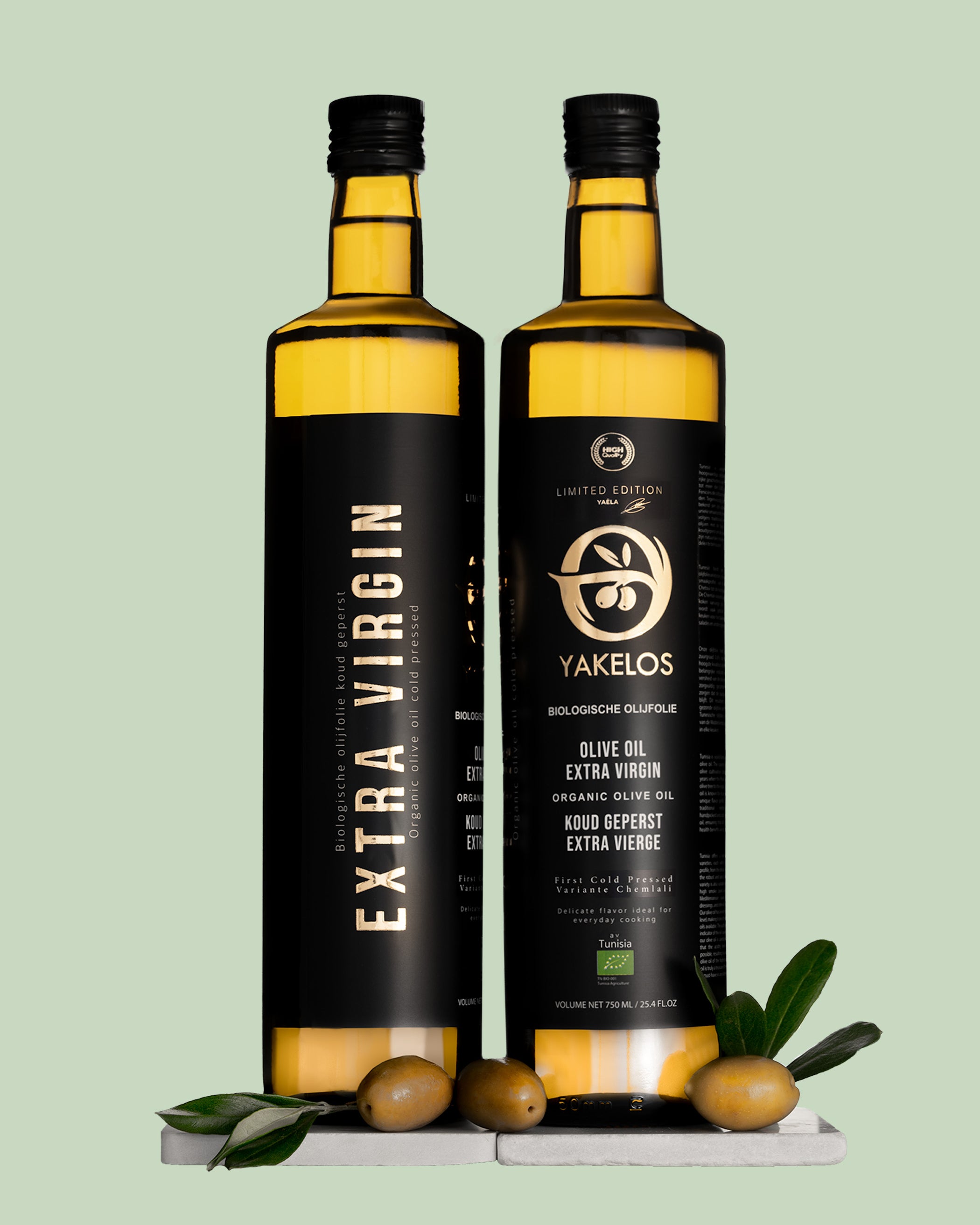
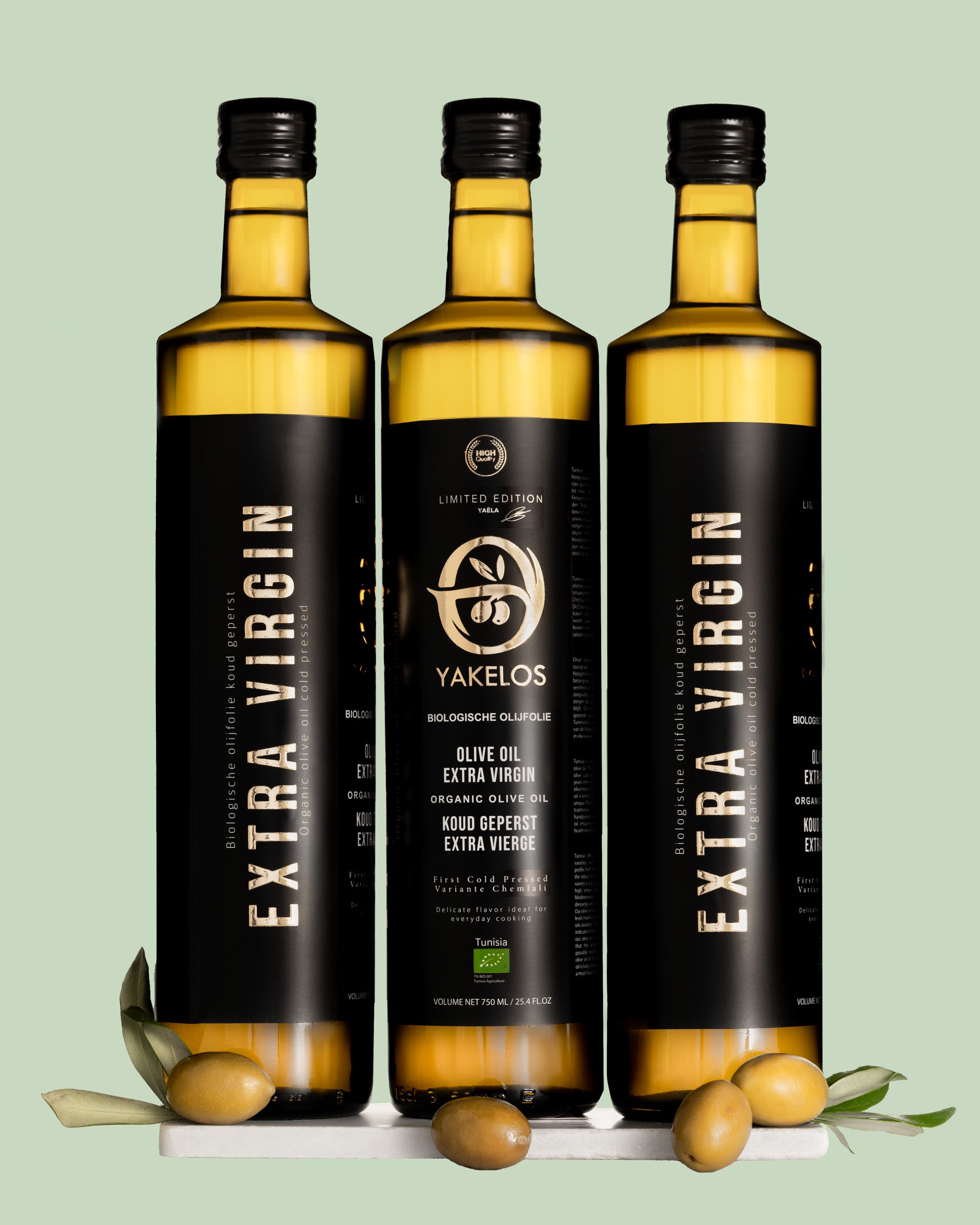
Picture two bottles on the counter: one of olive oil, one of sunflower oil. Both are liquid, both are unsaturated, yet they belong to different families.
Monounsaturated fats
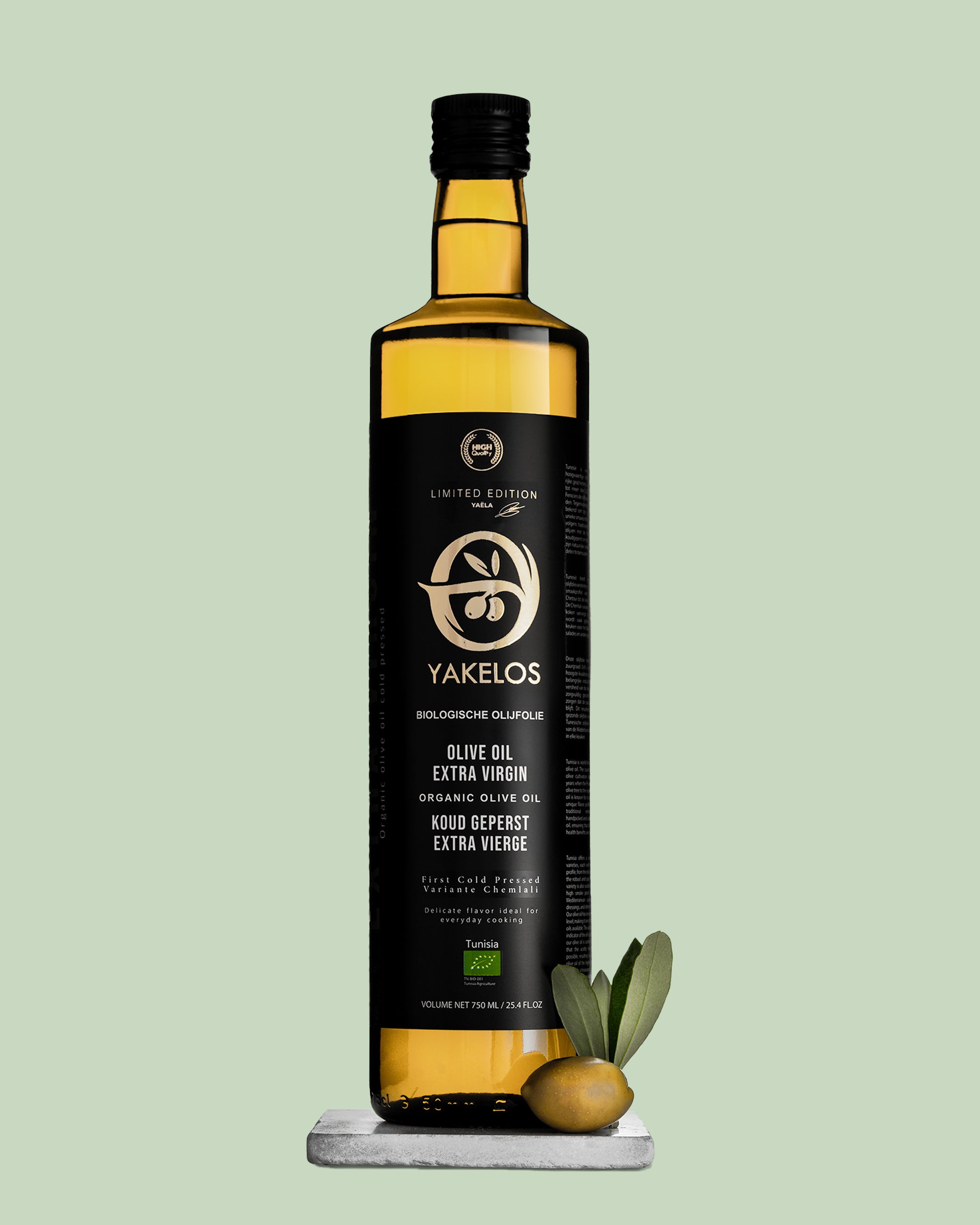
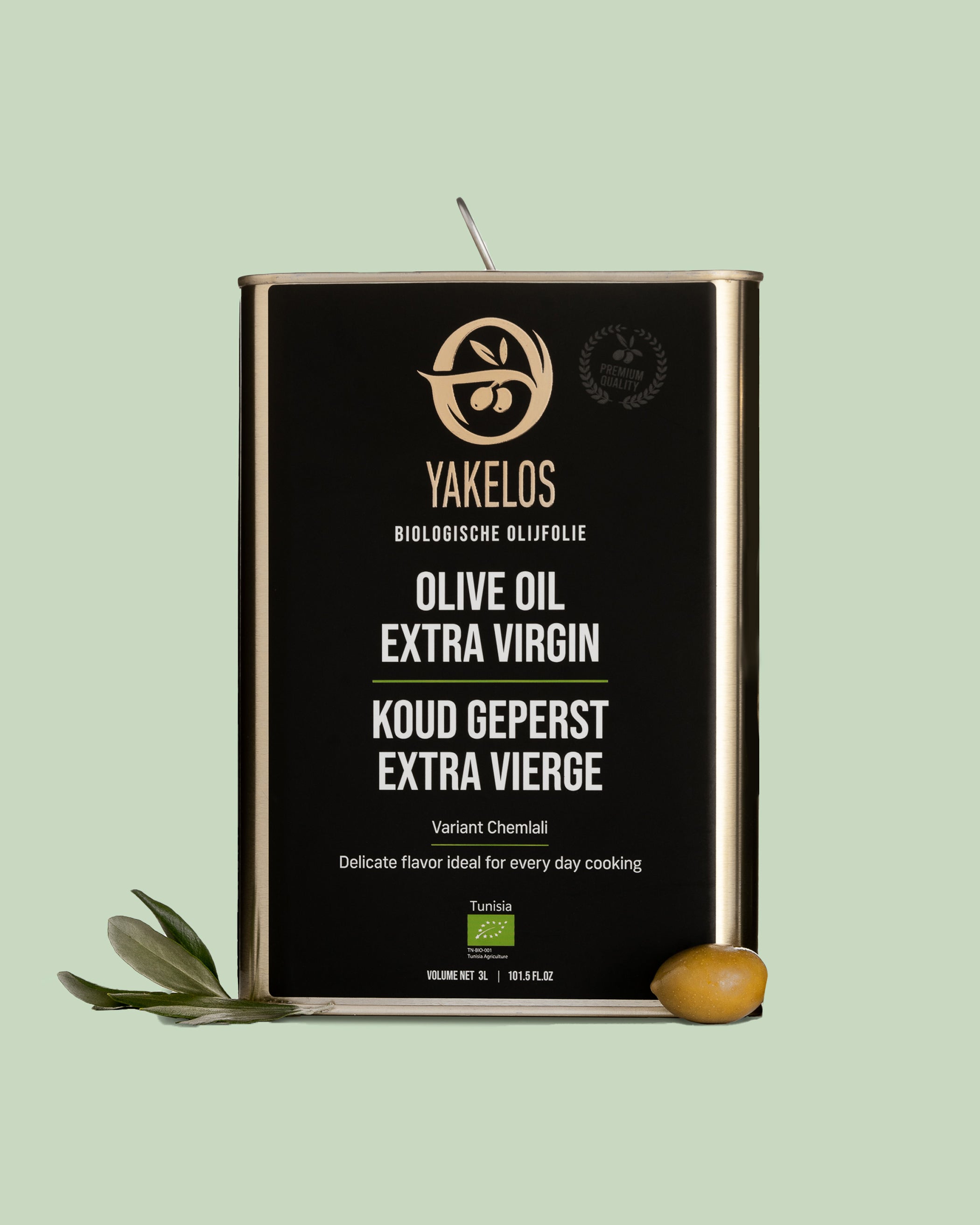
Monounsaturated fats carry one double bond. Oleic acid is the best known example, and it is linked to lower LDL cholesterol. Olive oil is a leading source: the Chemlali olive variety that Yakelos presses typically yields 55 to 59 percent oleic acid.
Polyunsaturated fats
Polyunsaturated fats carry two or more double bonds, and include omega 3 and omega 6, fatty acids the body cannot make itself. Oily fish, walnuts and flaxseed supply omega 3, while sunflower and soybean oil lean towards omega 6.
Unsaturated versus saturated fats
Set side by side, the two fat types look like opposites. One stays liquid and supports healthy cholesterol levels, the other turns solid and pushes LDL cholesterol up. The table below sets out the practical differences.
| Attribute | Unsaturated fat | Saturated fat |
|---|---|---|
| State at room temperature | Liquid | Solid |
| Effect on LDL cholesterol | Lowers | Raises |
| Main sources | Plant oils, fish, nuts | Animal products, snacks, hard fats |
The real gain comes from replacement, not from cutting fat altogether. Swapping saturated fat for refined carbohydrates, think white bread or sugary snacks, does not lower heart disease risk in the same way. Choosing healthy and unhealthy fats deliberately, in favour of unsaturated sources, is what makes the difference.
Which foods contain unsaturated fats
Picture your kitchen cupboard: a bottle of oil, a jar of nuts, maybe a tin of mackerel. Chances are several sources of unsaturated fat are already within reach.
- Plant oils: organic extra virgin olive oil and sunflower oil
- Nuts and seeds: walnuts, almonds, flaxseed and chia
- Oily fish: salmon, mackerel, herring and sardines
- Fruit: avocado
Peanut butter counts too: peanuts are rich in unsaturated fat, just check the label for added sugar or hardened fat. As a rough guide, the softer or more liquid a fat is at room temperature, the more unsaturated fat it holds.
Unsaturated fats and your health
Research has associated higher intake of polyunsaturated fat with lower mortality risk and reduced heart disease risk. One meta-analysis found roughly 7 percent lower all cause mortality for every 5 energy percent more polyunsaturated fat in the diet.
That does not mean more is automatically better. All fat, saturated or unsaturated, delivers 9 kcal per gram, against 4 kcal for protein and carbohydrate, so quantity still matters.
Unsaturated fats work best within a varied pattern, not as a single fix. In the Mediterranean diet, olive oil, nuts and fish supply much of the daily fat, alongside vegetables and grains.
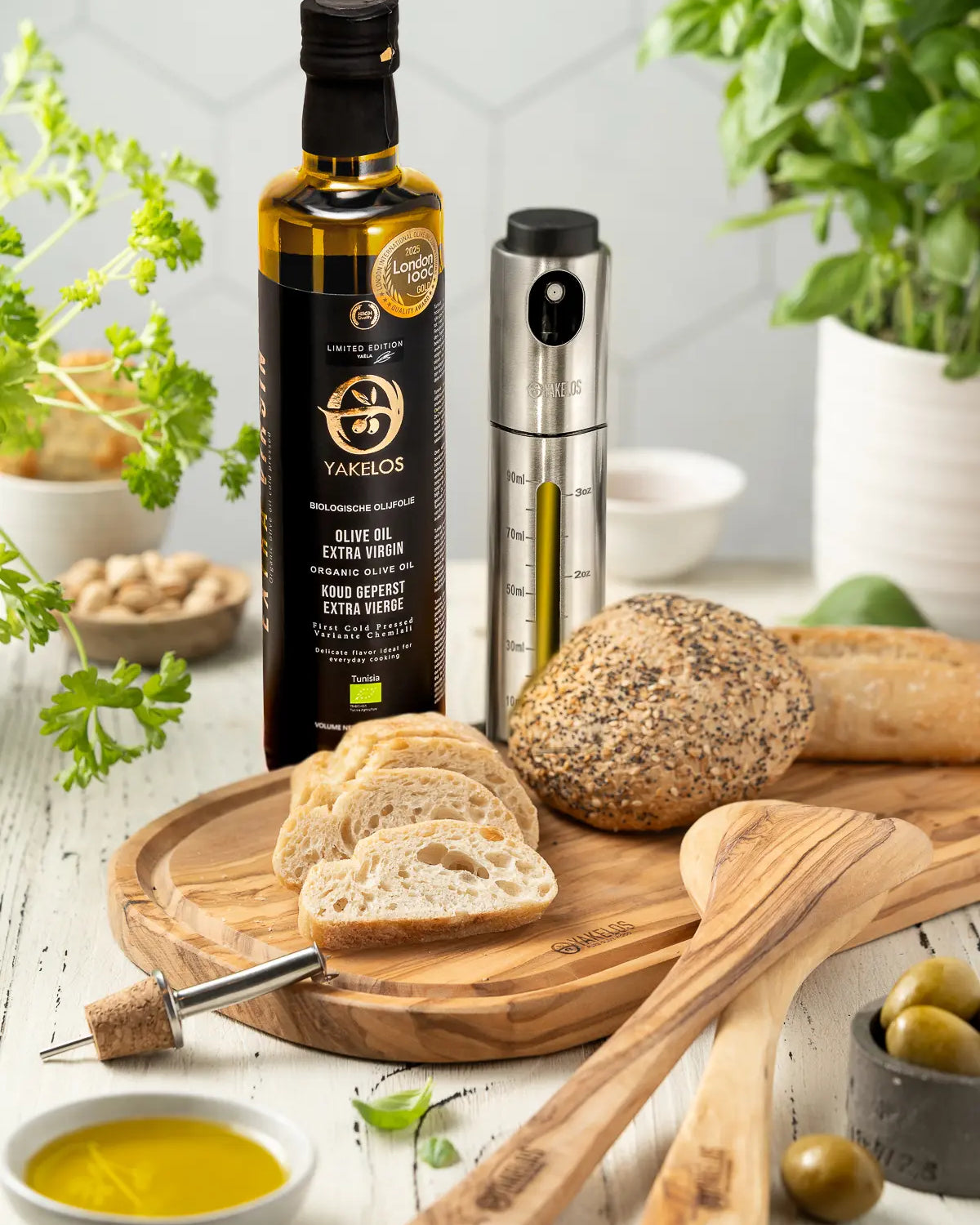
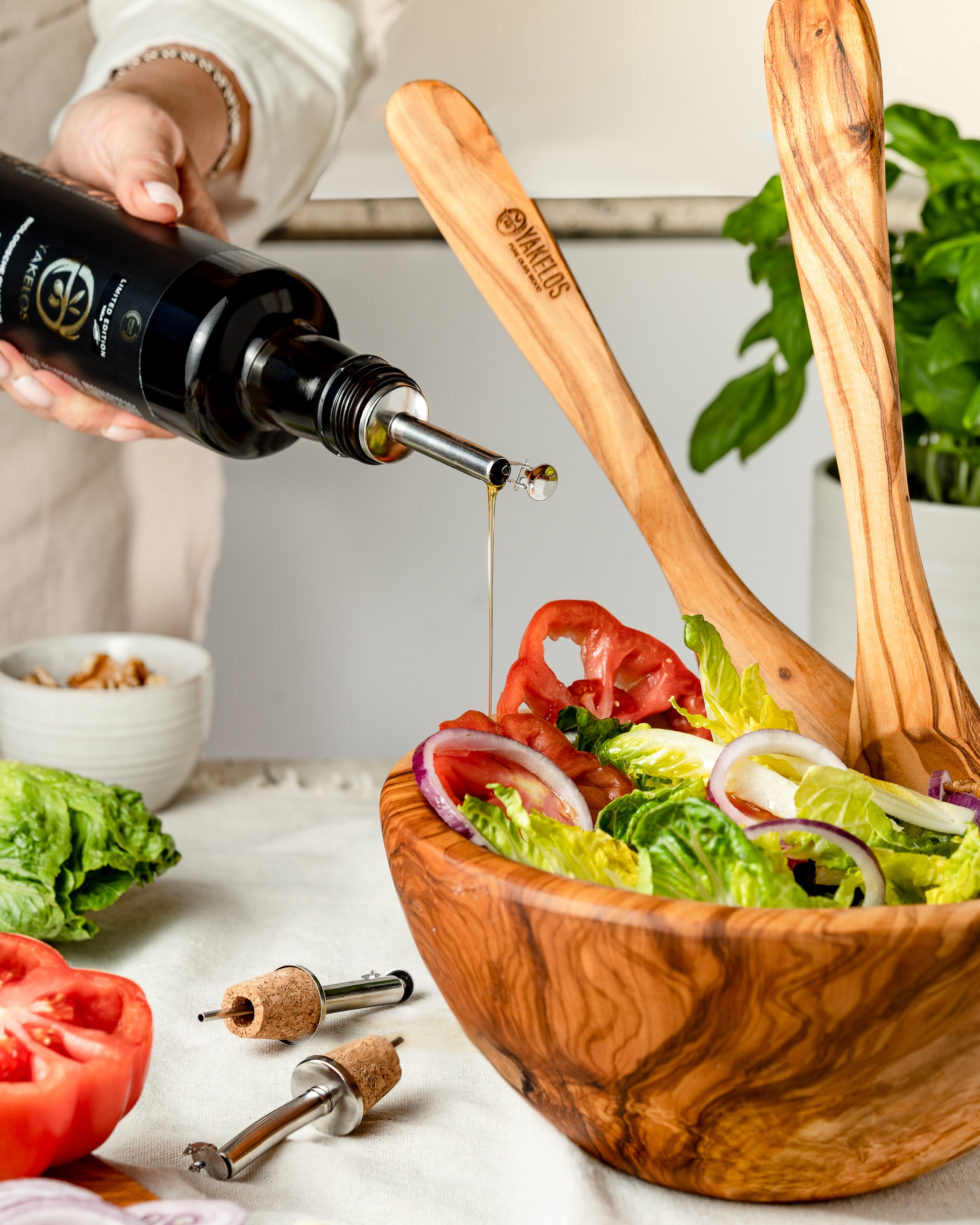
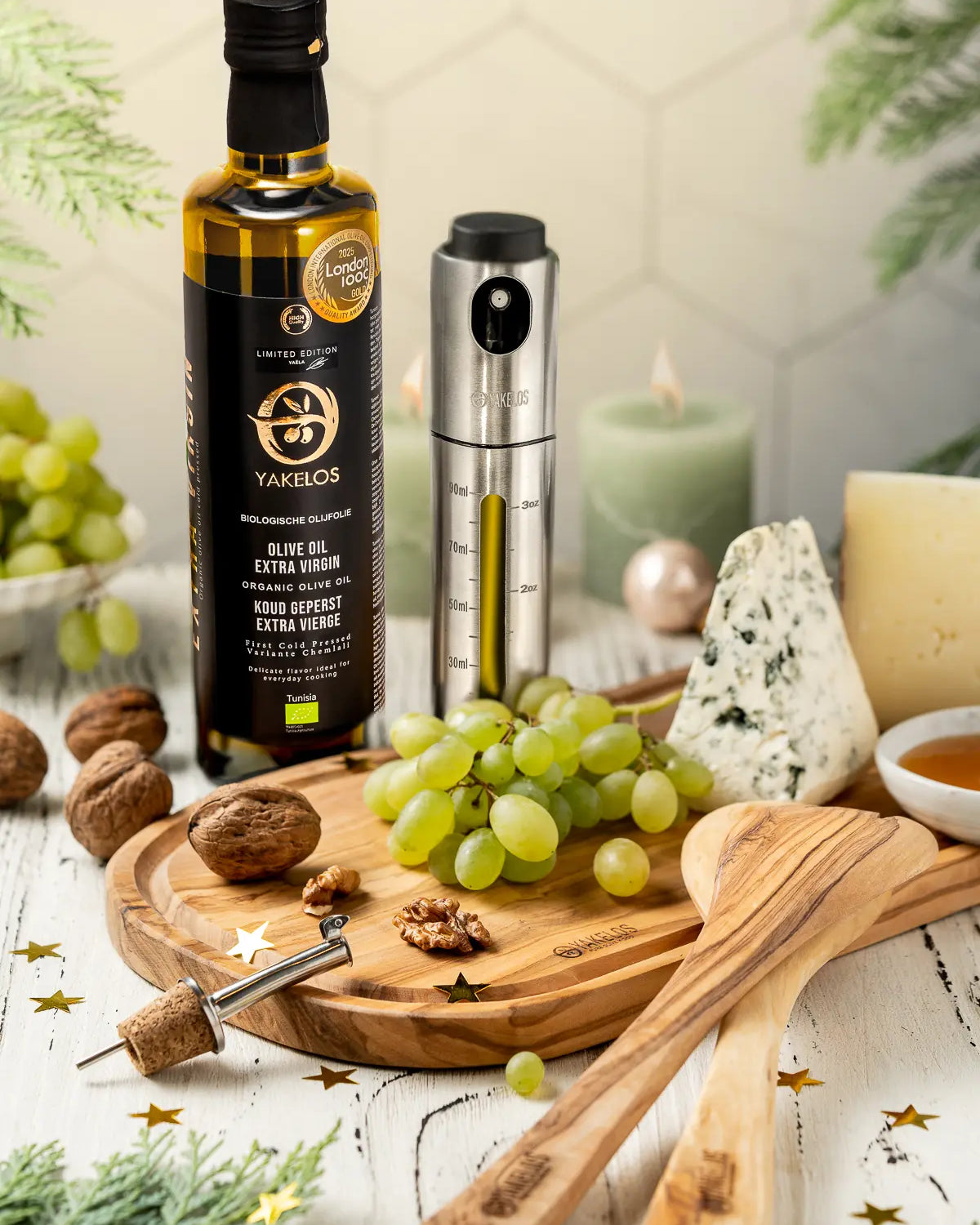
Tip from Yakelos: swap a knob of butter for a drizzle of extra virgin olive oil on cooked vegetables or bread. This shifts the balance towards unsaturated fat without adding bulk, and the oil keeps its flavour whether used cold or heated to around 180 degrees.
The essentials in brief
Unsaturated fats stay liquid at room temperature and come in two families: monounsaturated, found largely in olive oil, and polyunsaturated, which supplies omega 3 and omega 6. Choosing them over saturated fat helps keep LDL cholesterol in check, provided you replace rather than simply add.
Fat remains energy dense at 9 kcal per gram, so the overall pattern on your plate counts more than any single ingredient. A drizzle of good olive oil is a simple place to start.
Frequently asked questions about extra virgin olive oil
Does the body need fat?
Yes. Fat supplies energy, helps build cell walls and carries the fat soluble vitamins A, D, E and K. The type and amount you choose matter most.
Is peanut butter an unsaturated fat?
Peanuts are rich in unsaturated fat, so unsweetened peanut butter counts as a reasonable source. Check the label, since some jars add sugar or hardened fat.
Are saturated and unsaturated fats both healthy?
Unsaturated fat is generally the better choice, since it helps lower LDL cholesterol rather than raise it. The real health gain comes from replacing saturated fat with unsaturated fat, not from cutting fat altogether.
Which foods contain unhealthy fats?
Trans fats, found in many packaged baked goods and snacks, are worth limiting. The same goes for high saturated fat in fatty meat, hard cheese and hard cooking fats.
Can you cook with olive oil as a source of unsaturated fat?
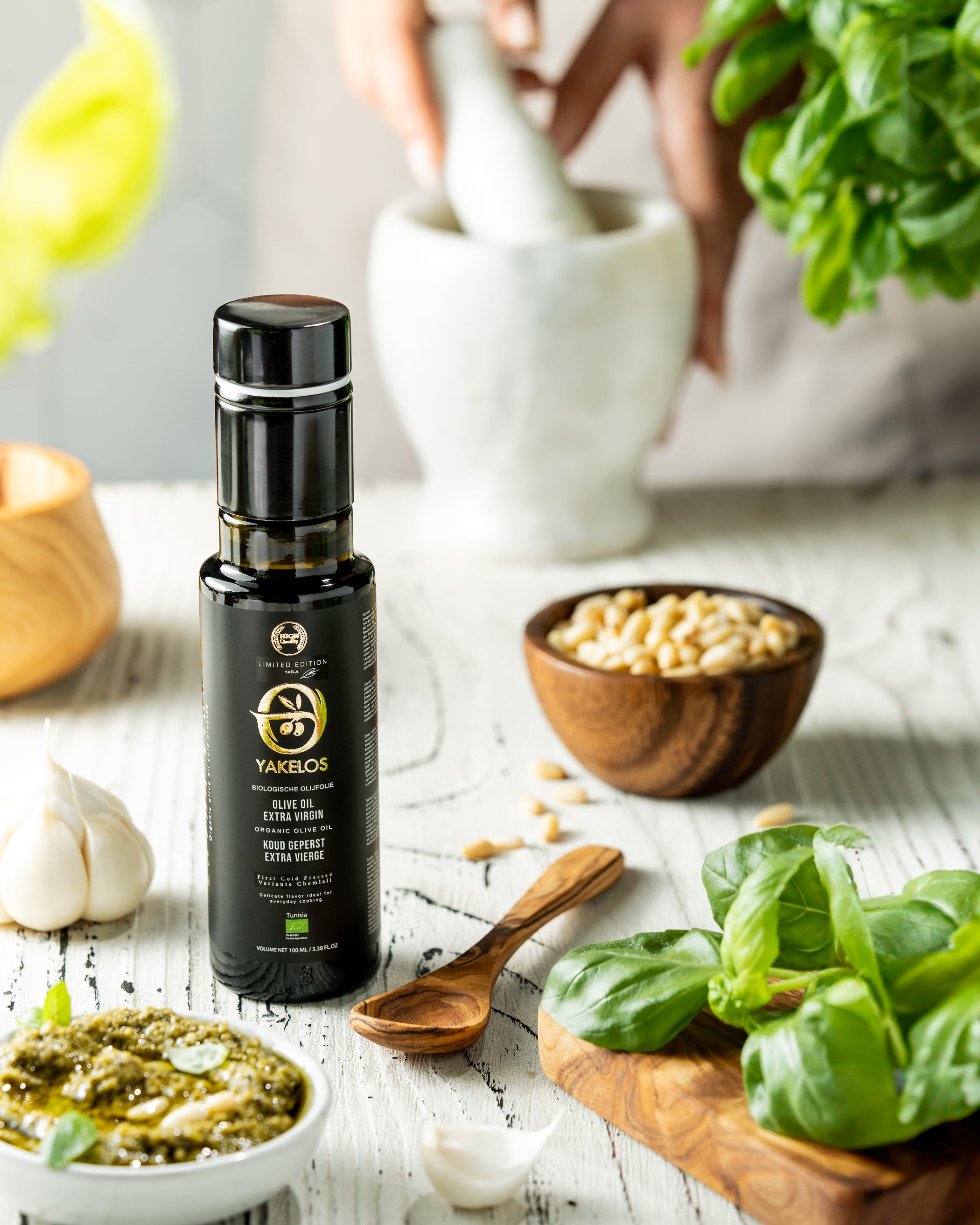
Yes. Extra virgin olive oil suits both raw use and cooking up to roughly 170 to 180 degrees, keeping its monounsaturated fat and flavour intact.
Does eating unsaturated fat make you gain weight?
No single fat causes weight gain on its own. All fat delivers 9 kcal per gram, so your overall energy balance decides, not the type of fat alone.
Still have questions about how to use or store your oil? Have a look at the olive oil FAQs for more detail.