


Open any newspaper or turn on the news, and you'll be flooded with reports about the impacts of global warming and El Niño. While El Niño is often translated as 'The Child', in Spanish it specifically refers to a male child, making 'The Little Boy' a much more accurate translation.
Temperatures exceeding 40°C are no longer the exception; they are increasingly becoming the norm during summer months. Olive groves in Southern Europe and North Africa are suffering severely from extreme heat, continuous drought, and destructive wildfires.
What Does This Mean for the Olive Harvest and Olive Oil?
The effects on the availability and pricing of your olive oil are unfortunately predictable:
-
Smaller olives and less oil: Due to the heat and lack of rainfall, olive trees produce smaller olives. Naturally, smaller olives yield less oil, meaning the harvest will disappoint once again, resulting in even less extra virgin olive oil available than in previous years.
-
Damage from wildfires: Severe wildfires have already heavily damaged numerous olive groves and vineyards across Spain, Greece, Italy, and Portugal.
Expected Price Increases for Consumers
As a consequence, olive oil producers expect consumers to pay more for a bottle later this year.
Prices for extra virgin olive oil had already climbed sharply in recent years due to consecutive poor harvests. Although prices had recently eased a bit, producers anticipate this drop will come to an end unless weather conditions improve rapidly.
Our Advice: Stock Up Early
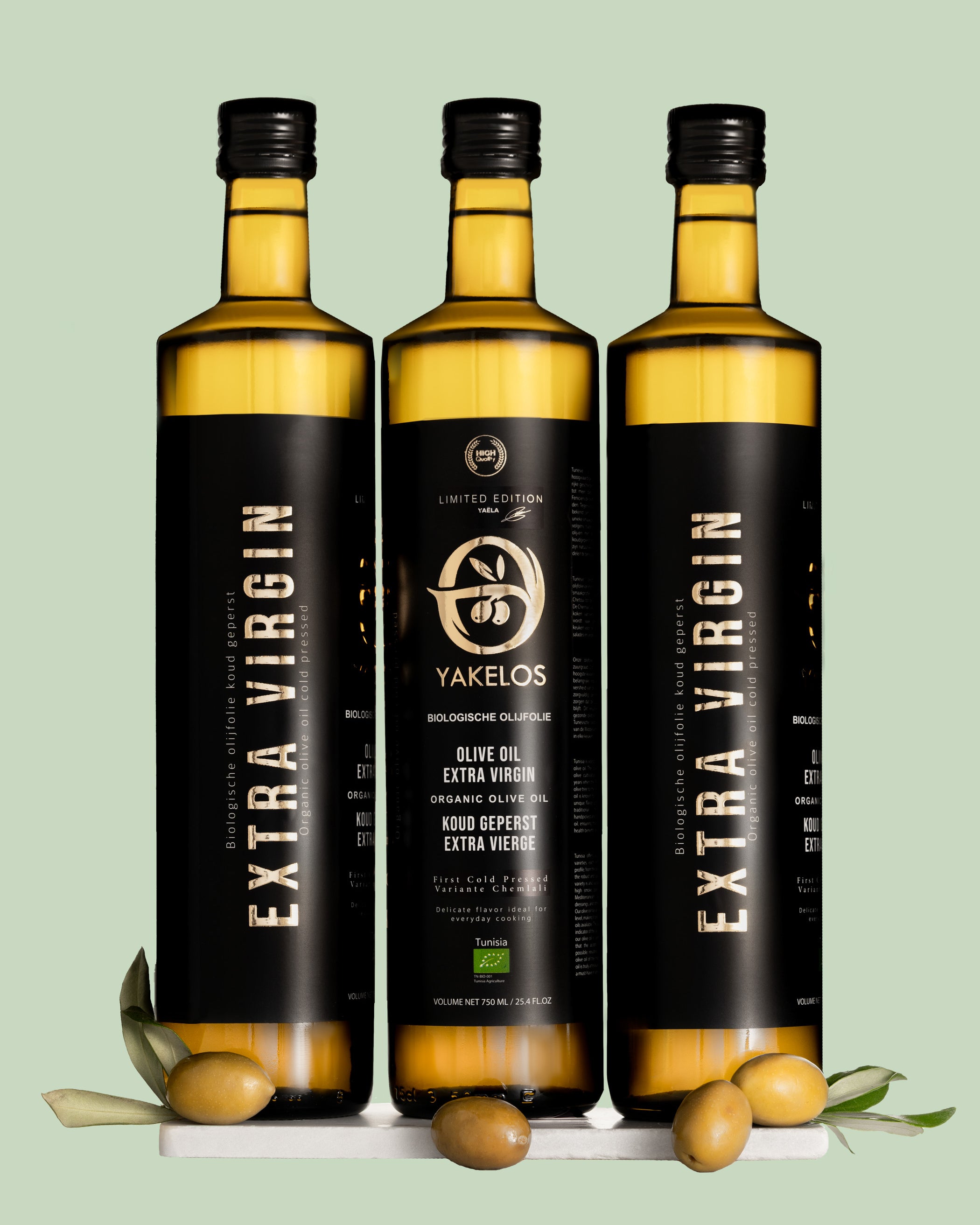
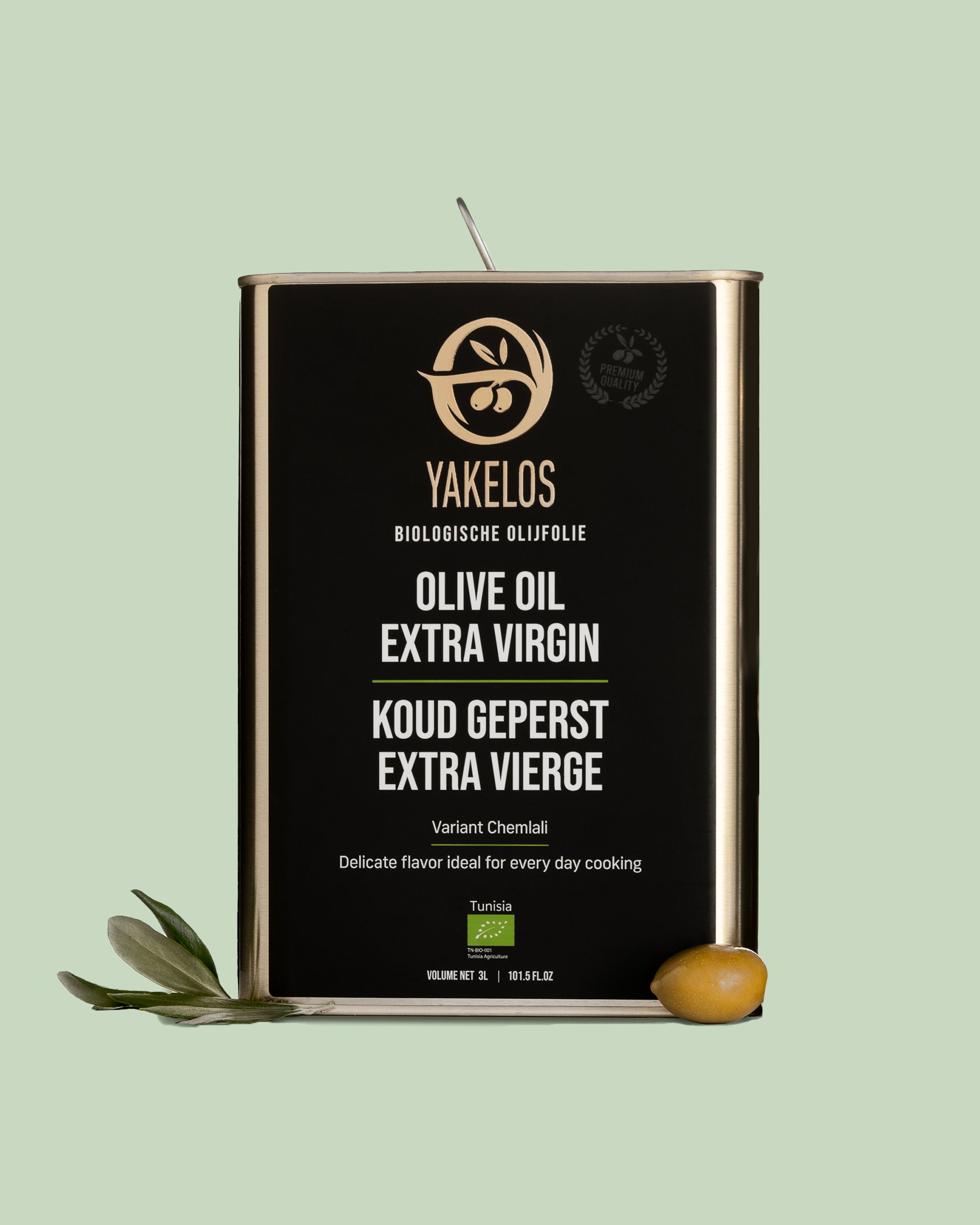
We recommend stocking up on extra virgin olive oil now before prices rise significantly.
Olive Oil Storage Tip
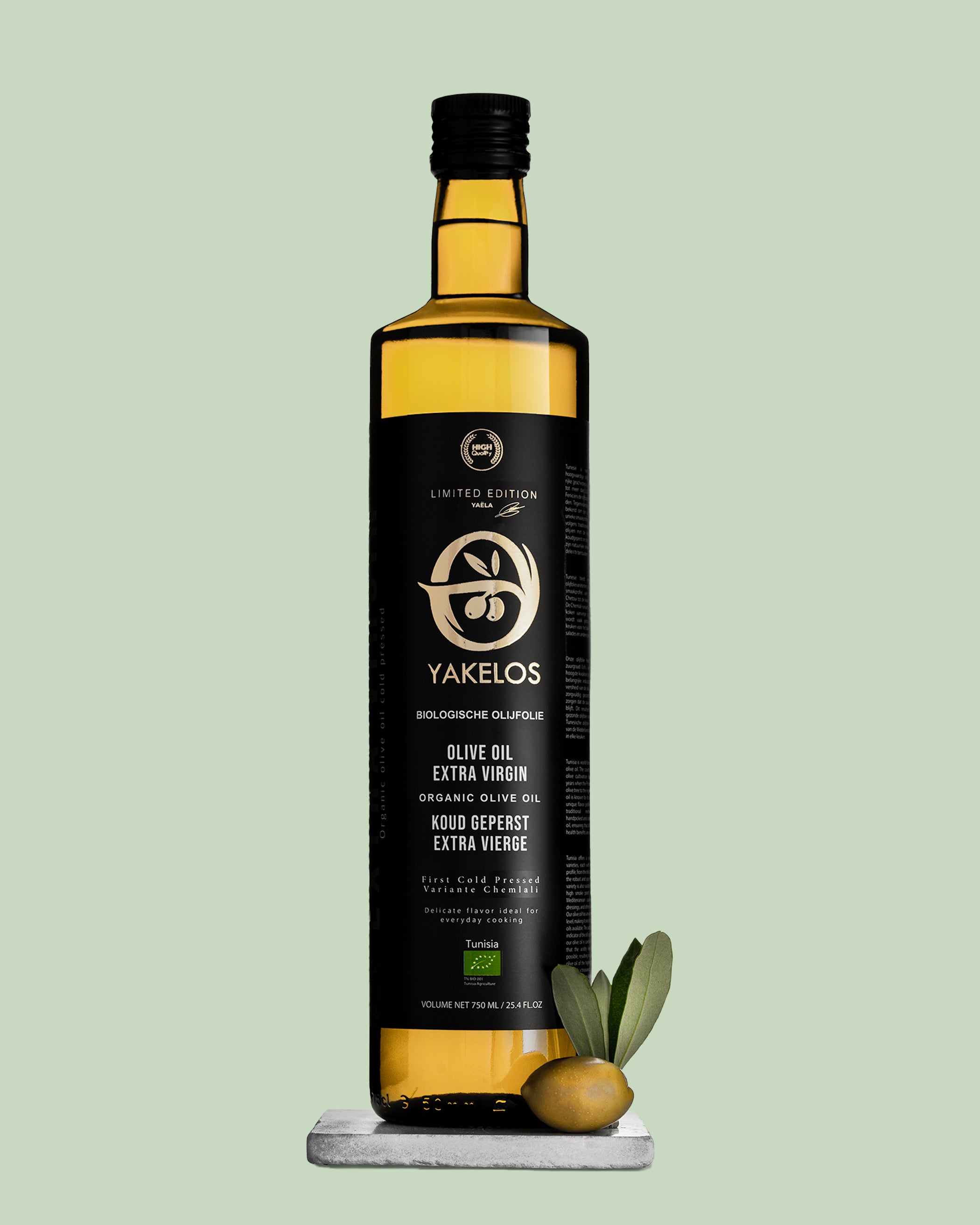
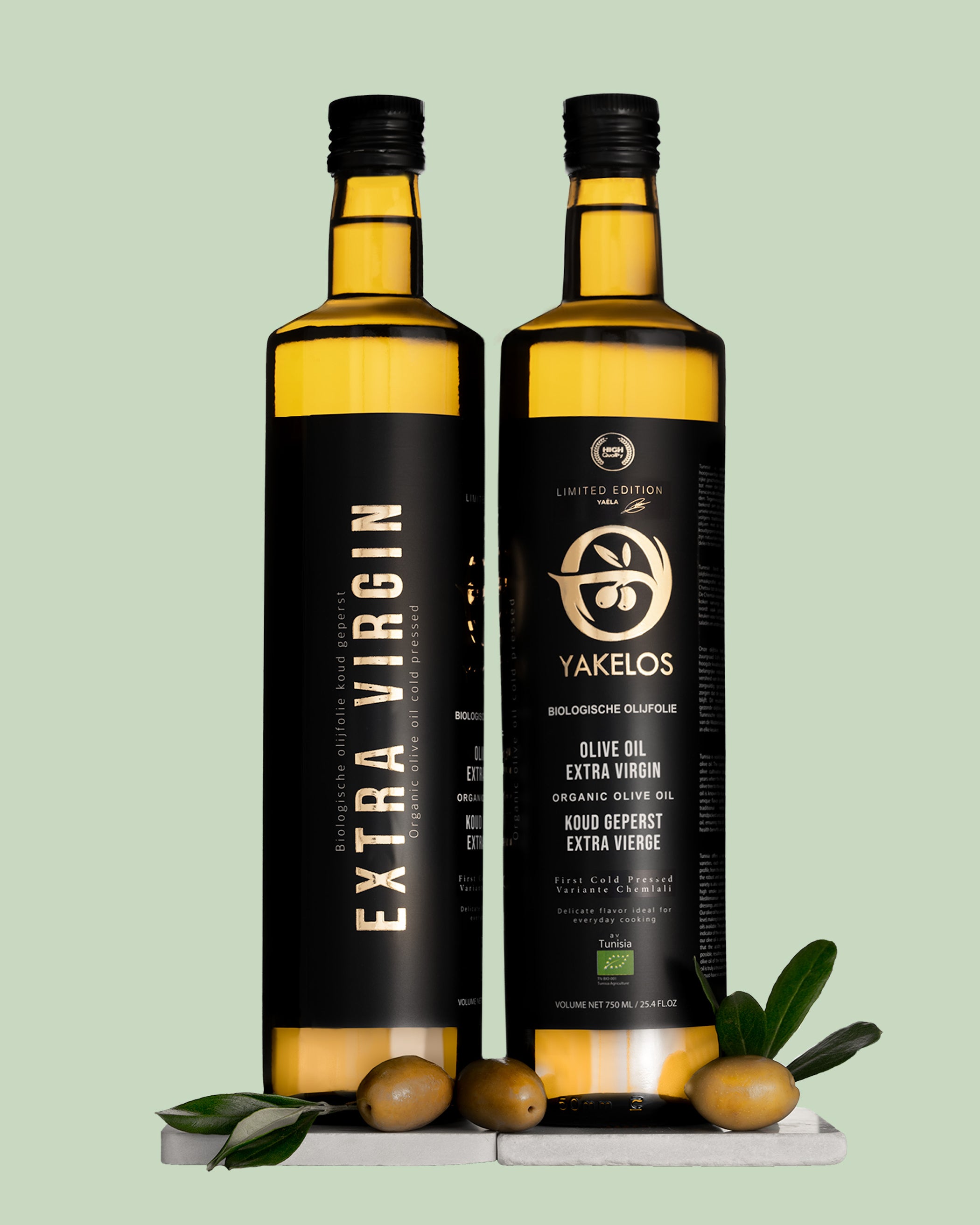
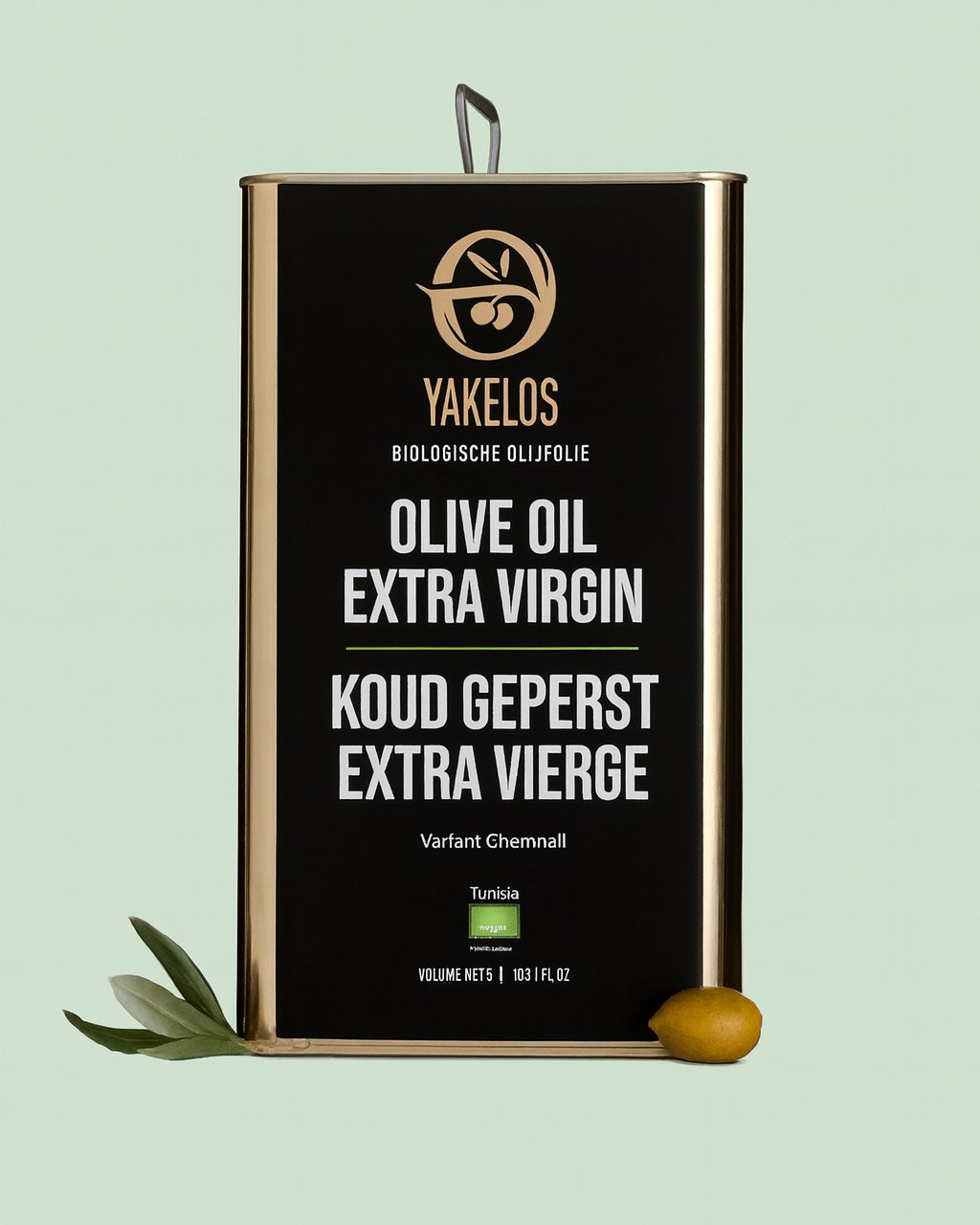
Want to ensure your supply of olive oil stays fresh and retains its high quality for as long as possible? Always store your purchased bottles or tins in a cool, dry, and dark place.



Comments
Combien de temps se conserve l’huile en bidon ?
Merci