

If you are conscious about nutrition, it is natural to look at the number of calories in a product. The same applies to olive oil. Olive oil consists almost entirely of fat and is therefore relatively high in energy. However, the number of calories tells only part of the story.
One tablespoon of olive oil contains approximately 90 kilocalories. This applies not only to extra virgin olive oil, but also roughly to other types of oil. The main differences between oils therefore do not lie in the number of calories, but rather in their composition, quality, processing, flavour and the way you use them.
In this article, you will discover how many calories olive oil contains, why extra virgin olive oil is not automatically lower in calories and why it makes sense to look beyond the number on the label.
How Many Calories Are in Olive Oil?
One tablespoon of olive oil weighing approximately 10 grams contains on average:
- 90 kilocalories
- 10 grams of fat
- Approximately 1.5 grams of saturated fat
- 0 grams of carbohydrates
- 0 grams of sugar
- 0 grams of protein
- 0 grams of salt
Olive oil is therefore a calorie-dense product. This is not surprising, as fat provides more energy than carbohydrates and protein. As a result, even a small amount of oil can contain a relatively high number of calories.
A Practical Overview
| Amount of Olive Oil | Number of Calories |
|---|---|
| 1 teaspoon, approximately 5 grams | Approximately 45 kcal |
| 1 tablespoon, approximately 10 grams | Approximately 90 kcal |
| 2 tablespoons, approximately 20 grams | Approximately 180 kcal |
| 3 tablespoons, approximately 30 grams | Approximately 270 kcal |
The actual amount may vary. Not every spoon is the same size, and when pouring freely, it is easy to add more oil to a pan or salad than you realise.
Does Extra Virgin Olive Oil Contain Fewer Calories?
Extra virgin olive oil does not contain significantly fewer calories than regular or refined olive oil. Sunflower oil, rapeseed oil and other liquid oils also provide roughly the same amount of energy.
The advantage of extra virgin olive oil therefore does not lie in a lower calorie count.
The differences include:
- The quality of the olives used
- The timing of the harvest
- The time between harvesting and processing
- The production method
- The absence of refining
- The flavour and aroma profile
- The amount of naturally occurring plant compounds
- Freshness and storage conditions
Two bottles of olive oil may list approximately the same number of calories on the label, while differing greatly in quality and flavour.
Calories Do Not Tell the Whole Story
Calories indicate how much energy a food provides. They do not automatically tell you how nutritious, flavourful or carefully produced a product is.
For example, one tablespoon of refined oil and one tablespoon of good-quality extra virgin olive oil may contain roughly the same number of calories. However, they are not exactly the same products.
Extra virgin olive oil is obtained exclusively from olives using mechanical methods. No chemical refining methods are used. In addition, the free acidity of extra virgin olive oil may not exceed 0.8%.
Olive oil consists mainly of unsaturated fats. Replacing foods high in saturated fat with foods containing more unsaturated fat can fit within a balanced diet.
This does not mean that you can use unlimited amounts of olive oil. It does mean that looking at calories alone is not enough to properly assess an oil.
Why the Quality of Olive Oil Matters
1. Not Every Olive Oil Is Made in the Same Way
Extra virgin olive oil is the highest quality category of olive oil. The oil is extracted mechanically from olives without chemical refining.
With refined olive oil, unwanted aromas, flavours and other characteristics are removed through processing. A small amount of virgin or extra virgin olive oil may then be added to give the oil more flavour.
Refining does not automatically make an oil unsafe, but it does result in a different product. Good extra virgin olive oil retains more of the olive's original character.
2. Extra Virgin Olive Oil Contains Natural Plant Compounds
Extra virgin olive oil naturally contains polyphenols. These are compounds produced by the olive tree and are partly responsible for the bitter and peppery notes in the oil.
The amount of polyphenols can vary significantly. Factors such as the olive variety, climate, harvesting time, processing, filtration and storage all play a role.
The number of calories on the label tells you nothing about the amount of polyphenols. Two oils can therefore have the same energy value while differing in freshness, flavour and naturally occurring plant compounds.
3. You Can Taste Quality
Good extra virgin olive oil has a distinctive aroma and flavour profile. Depending on the olive variety, you may notice notes such as:
- Fresh grass
- Green or ripe olives
- Almond
- Herbs
- Tomato leaf
- Artichoke
- Fruit
A slight bitterness or peppery sensation at the back of the throat does not necessarily mean that the oil is poor quality. It can actually be characteristic of fresh olive oil containing naturally occurring polyphenols.
A flavourful oil can also immediately enhance salads, vegetables, pasta, soup, bread and fish. As a result, even a relatively small amount can make a noticeable difference to a dish.
4. Freshness and Storage Have an Impact
Olive oil is sensitive to light, heat and oxygen. If a bottle remains open for a long time, is stored next to the hob or is exposed to a lot of light, its quality may deteriorate more quickly.
Good packaging is therefore important. Dark glass and light-proof tins help protect the oil from light.
Ideally, store olive oil:
- In a dark place
- At a cool and stable temperature
- Well sealed
- Away from an oven or hob
Even good-quality olive oil will eventually lose flavour and freshness if it is stored incorrectly.
Does Olive Oil Make You Gain Weight?
No single product automatically makes you gain weight. Weight gain occurs when, over a longer period, you consume more energy than your body uses.
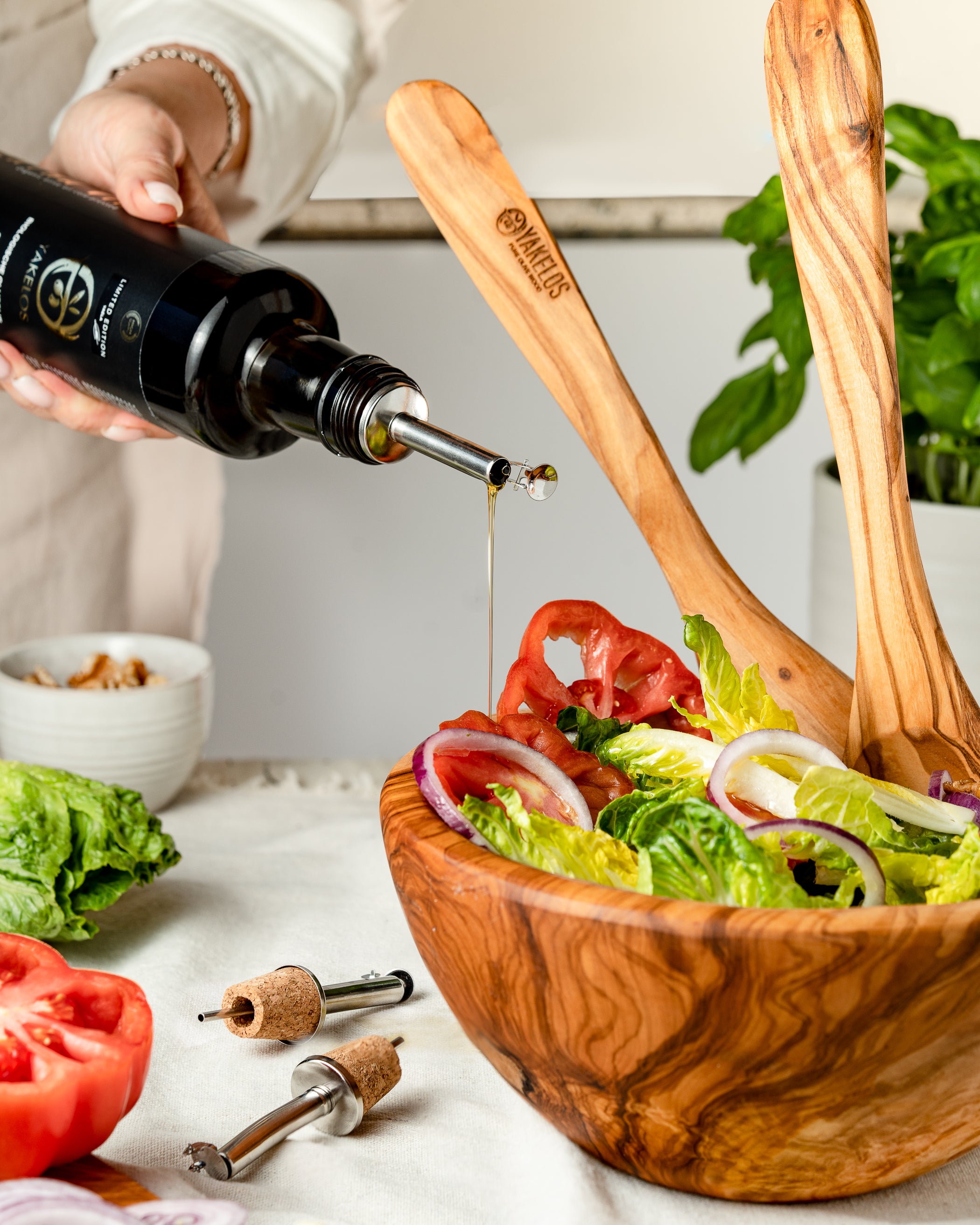
Because olive oil is high in calories, it can contribute significantly to your total energy intake without you necessarily realising it. A generous splash in the pan, extra oil over a salad and some more with bread can easily add up to several tablespoons.
At the same time, olive oil can fit perfectly well within a balanced diet. What matters most is:
- The total amount you use
- The rest of your diet
- Your personal energy requirements
- The foods you replace with olive oil
- How active you are throughout the day
Olive oil is therefore not a miracle product for weight loss, but neither is it something you need to avoid entirely because of its calorie content.
Replacing Is Different from Adding
If you want to eat more consciously, it is best to use olive oil as a replacement for other fats and sauces rather than automatically adding it on top of everything else.
For example, use olive oil:
- Instead of butter in certain preparations
- As the base for a homemade dressing
- Instead of a rich ready-made sauce
- Over roasted vegetables
- As a flavour enhancer with bread, herbs and spices
- To finish a dish after cooking
If you use butter, cheese, sauce and a generous amount of olive oil in the same meal, the calories can quickly add up. By consciously choosing which fat or flavouring to use, you can keep better control of the total amount.
How Much Olive Oil Can You Use Per Day?
There is no fixed amount that is ideal for everyone. The right portion depends on your energy requirements, overall diet and the other high-fat foods you consume.
A useful way to gain more control over your intake is to measure your olive oil for a while. This helps you discover how much oil you normally use in a pan, salad or dressing.
Practical Tips
Use a Tablespoon or Measuring Spoon
This prevents a small splash from unintentionally turning into three tablespoons.
Make Your Dressing in a Separate Bowl
Mix olive oil with lemon juice, vinegar, mustard, herbs and, if desired, a little water.
Spread the Oil with a Brush
This allows you to cover vegetables, fish or an oven dish with a thin layer of oil.
Add a Small Amount After Cooking
This is particularly effective with a flavourful extra virgin olive oil, allowing its taste to stand out.
Look at Your Entire Meal
Does your meal already contain nuts, avocado, cheese or oily fish? If so, a smaller amount of oil may be sufficient.
The goal is not to use as little olive oil as possible, but to consciously adjust the amount to suit the dish.
Is Olive Oil Suitable for Cooking?
Olive oil can be used for various types of cooking. It is important, however, that the oil does not begin to smoke. When oil visibly smokes, the temperature is too high and its flavour and composition can deteriorate.
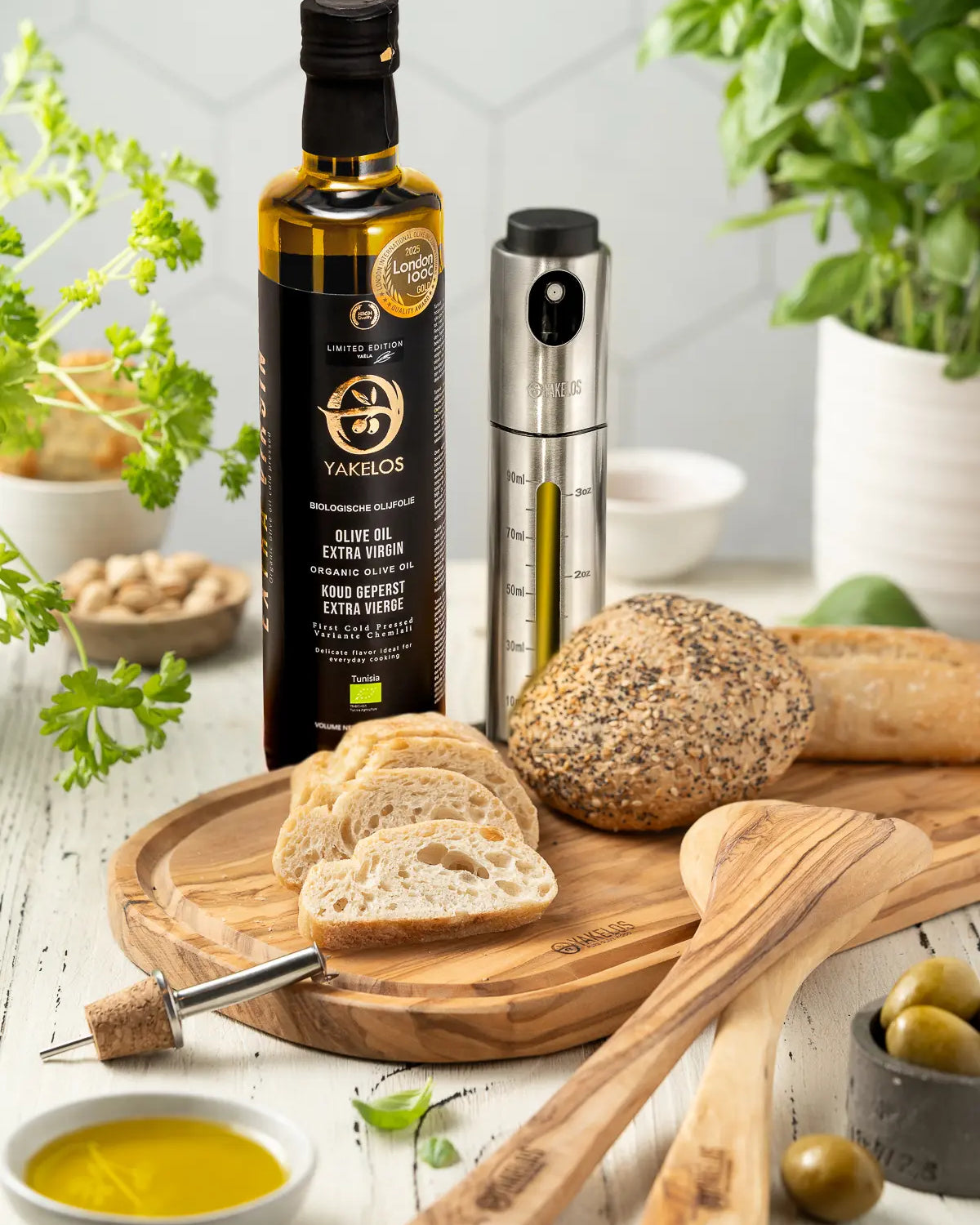
Yakelos Organic Extra Virgin Olive Oil is suitable for cold use and gentle heating up to approximately 170 to 180°C.
You can use the oil for:
- Gently frying vegetables
- Pasta sauces
- Soups and stews
- Preparing fish
- Dressings and marinades
- Finishing warm dishes
For prolonged deep-frying at very high temperatures, it is better to choose an oil specifically intended for that purpose.
How Can You Recognise Good-Quality Extra Virgin Olive Oil?
The number of calories does not help you assess the quality of an olive oil. It is therefore worth looking at other characteristics as well.
Check the Category
The label should clearly state that the product is extra virgin olive oil. The term “olive oil” alone may also refer to a blend of refined and virgin olive oil.
Check the Origin
Transparency about the country, region, olive variety and harvest year makes it easier to understand what you are buying.
Pay Attention to the Packaging
Dark glass or a light-proof tin protects the oil from light better than completely transparent glass.
Smell and Taste
Fresh extra virgin olive oil should have a fruity aroma. The exact flavour may be mild, bitter, green, smooth or peppery. A musty, cardboard-like or rancid smell may indicate that the oil has oxidised or is too old.
Look at the Production Method
Terms such as mechanical extraction and cold extraction below 27°C provide more information about how the oil was produced.
The Quality of Yakelos Extra Virgin Olive Oil
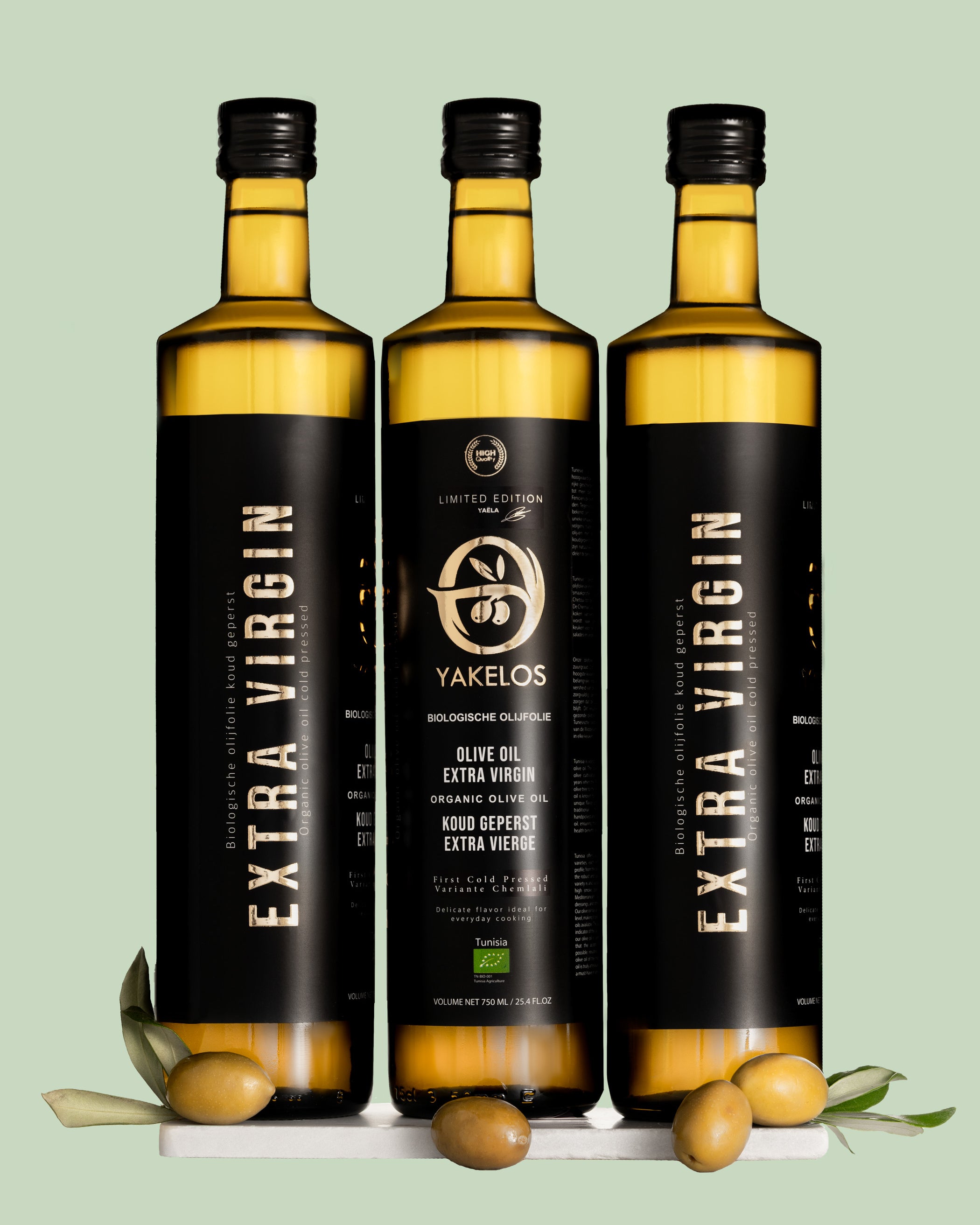
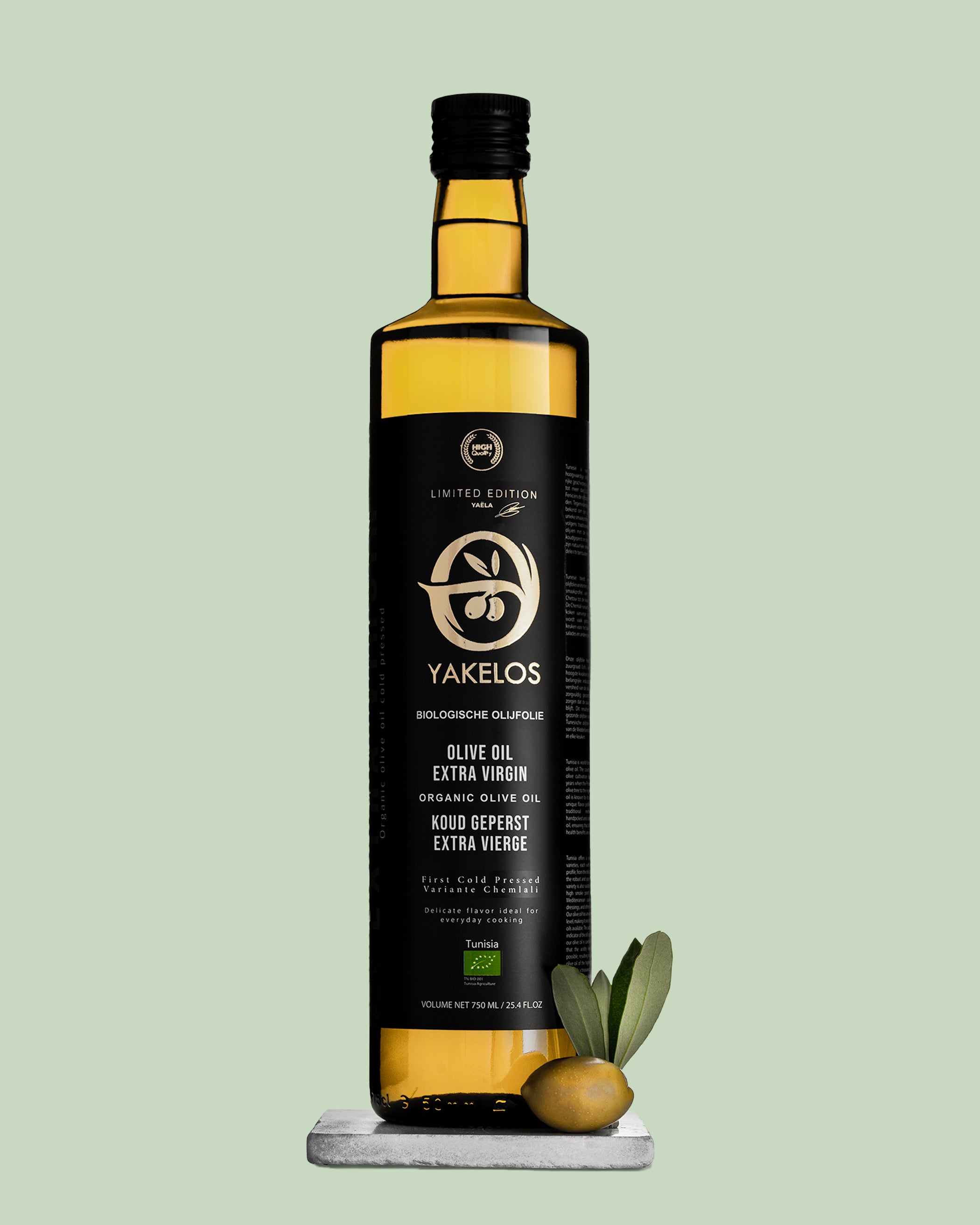
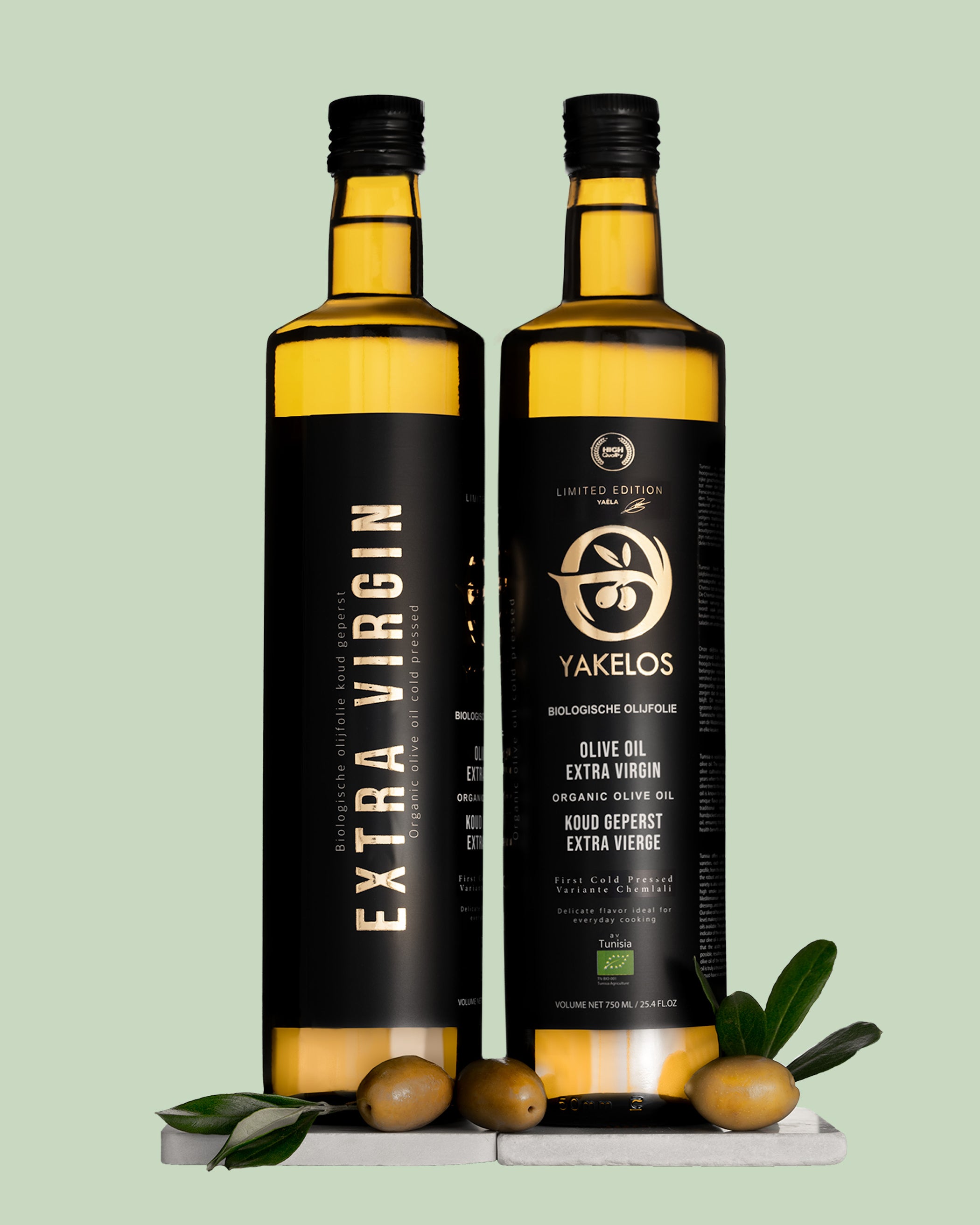
Yakelos Organic Extra Virgin Olive Oil is made from organic Chemlali olives from Central Tunisia. The olives are harvested early and mechanically processed within a few hours at a temperature below 27°C.
The oil has an acidity of approximately 0.2% to 0.4%. This is well below the European maximum of 0.8% for extra virgin olive oil.
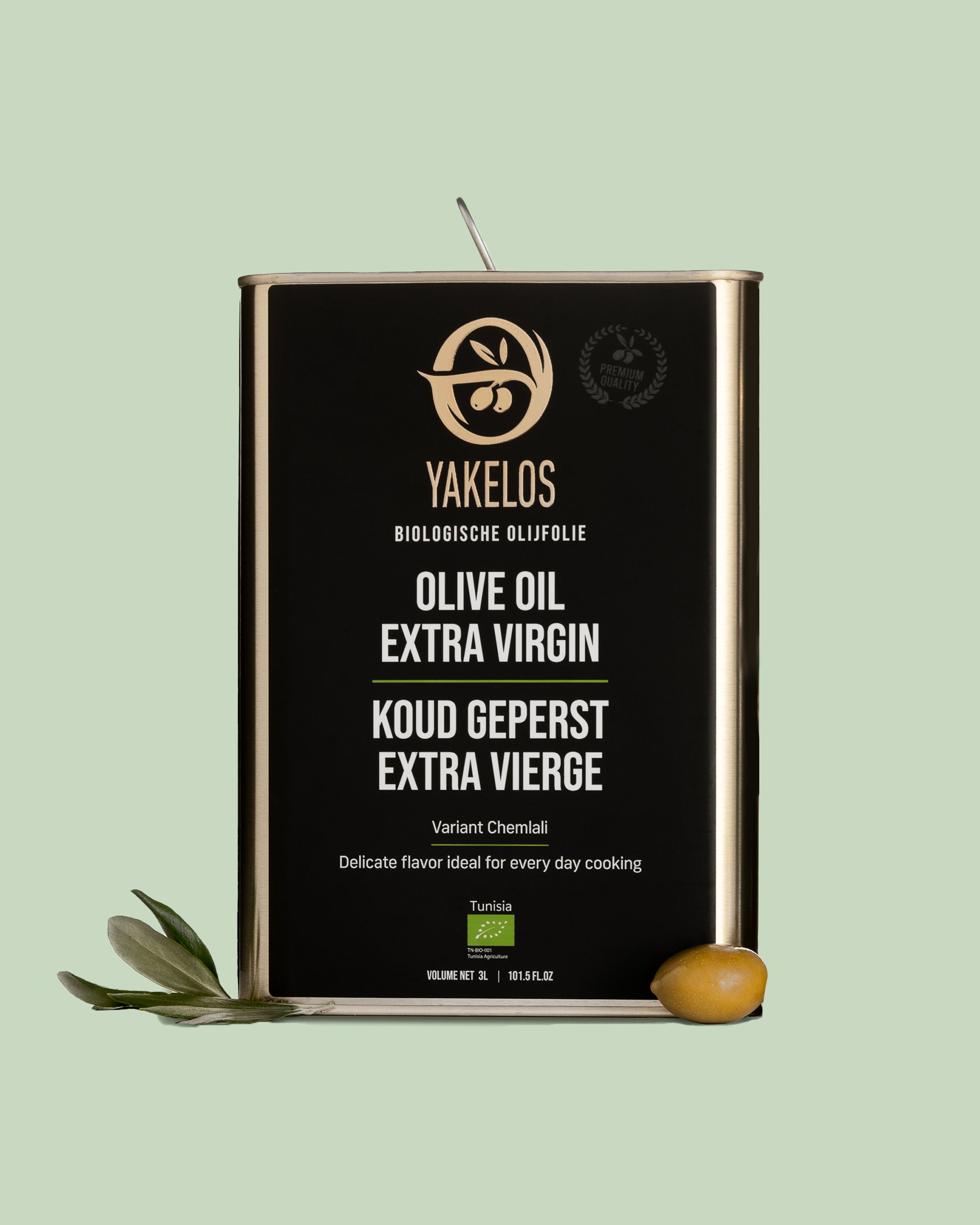
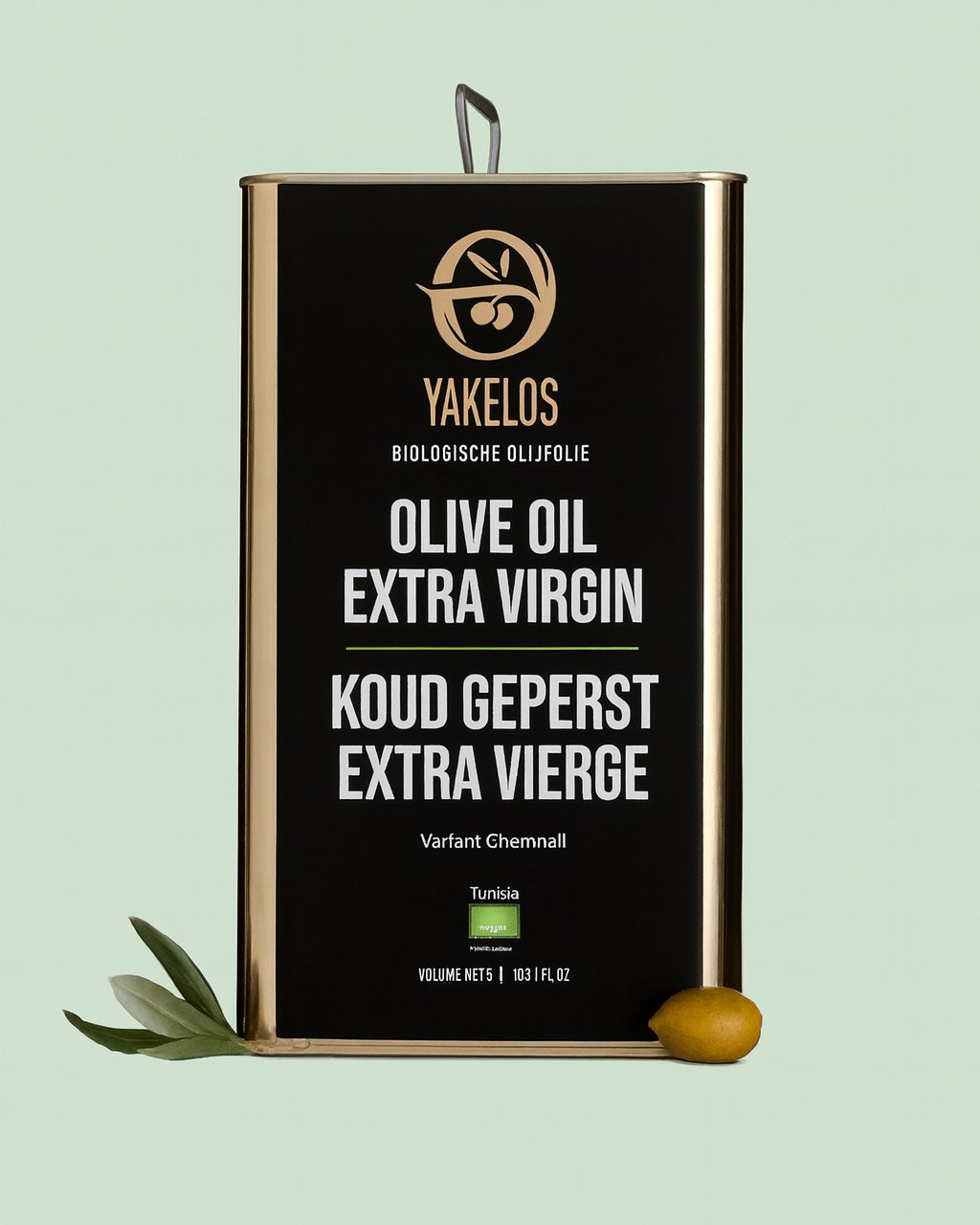
Yakelos is filtered to create a clear and stable oil and is packaged in dark glass or a light-proof tin. The flavour is smooth and fruity, with aromas of almond, fresh grass and herbs. The finish has a subtle peppery sensation and light bitter notes.
The oil contains approximately the same number of calories as other olive oils. The difference lies in its organic origin, olive variety, early harvest, rapid processing, low acidity, naturally occurring plant compounds and flavour.
Frequently Asked Questions About Calories in Olive Oil
How Many Calories Are in One Tablespoon of Olive Oil?
One tablespoon of olive oil weighing approximately 10 grams contains around 90 kilocalories. A larger or generously filled tablespoon may contain more calories.
How Many Calories Are in a Teaspoon of Olive Oil?
One teaspoon weighing approximately 5 grams contains around 45 kilocalories.
Does Extra Virgin Olive Oil Have Fewer Calories?
No. Extra virgin olive oil contains approximately the same number of calories as refined olive oil and other liquid oils. The main differences lie in production, flavour, composition and quality.
Can You Use Olive Oil When Trying to Lose Weight?
Yes. Olive oil can be part of a balanced diet. However, it is important to pay attention to portion size and preferably use the oil as a replacement for other fats or calorie-rich sauces rather than automatically adding it on top.
Is an Olive Oil Spray Better Because It Contains Fewer Calories?
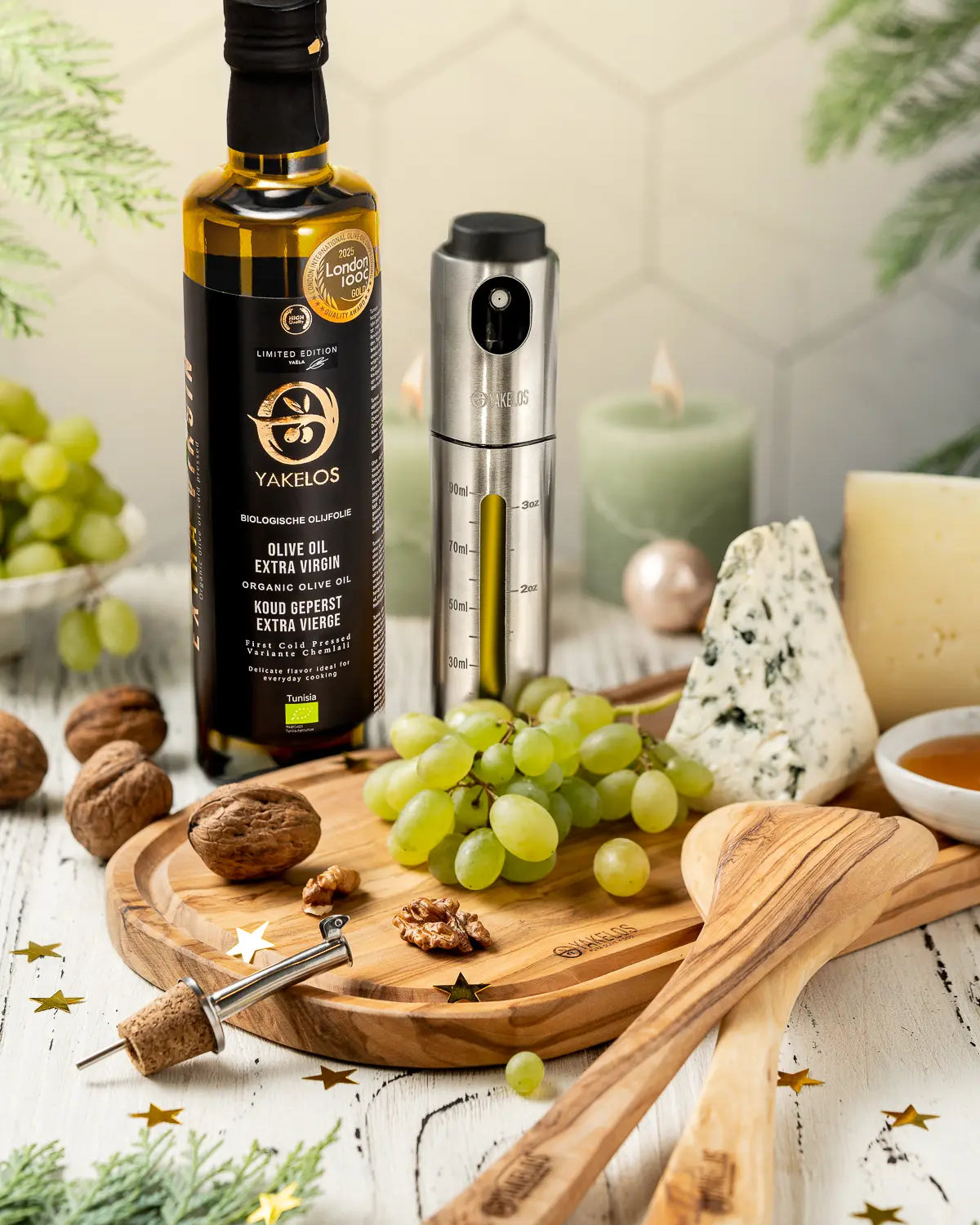
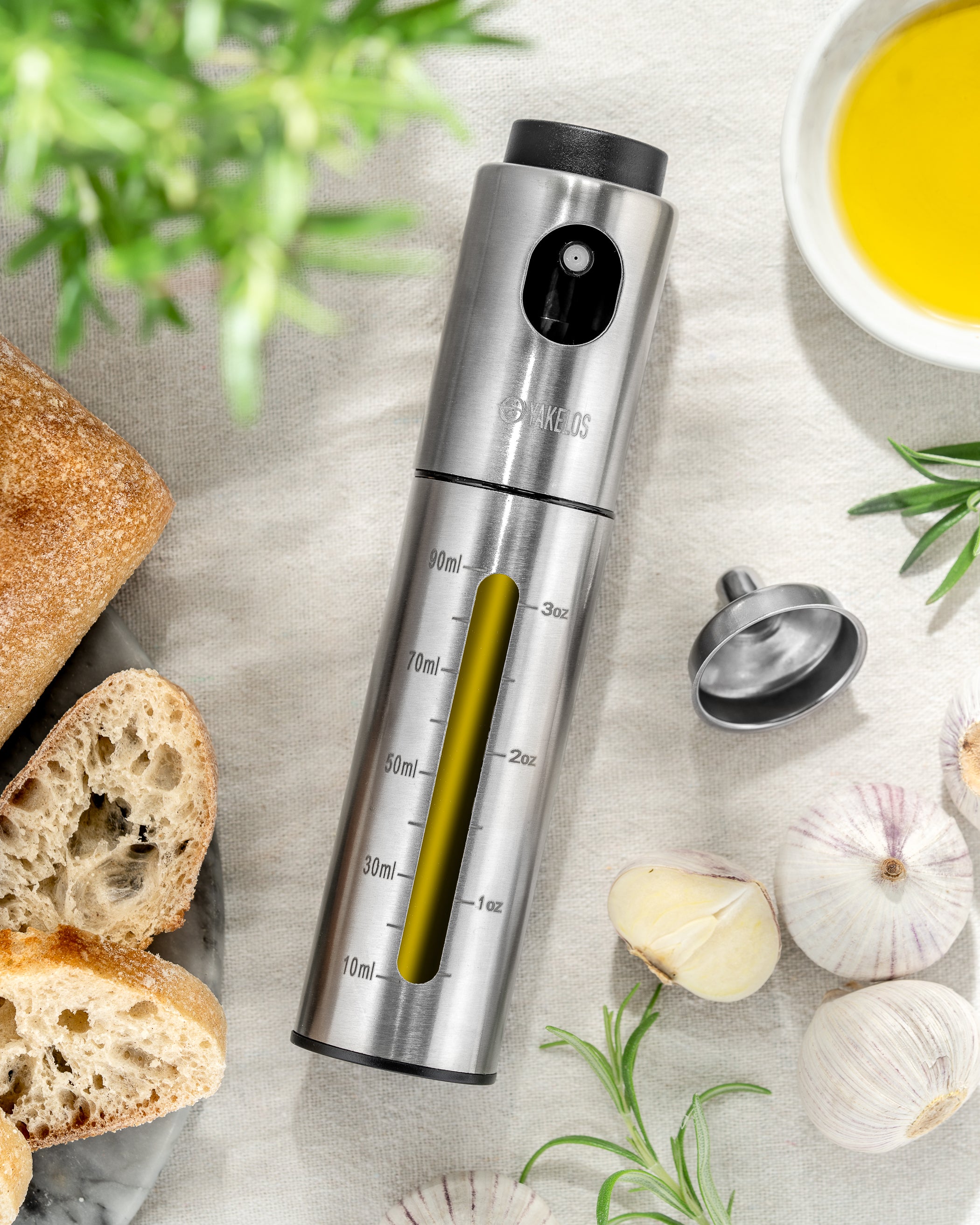
The oil itself does not contain fewer calories. However, a spray may help distribute the oil more thinly and evenly, which may help you use less.
Can You Use Unlimited Extra Virgin Olive Oil Because It Is Healthy?
No. Even good-quality extra virgin olive oil remains an energy-dense food. The quality of the oil does not make portion control unnecessary.
Our Advice: Look Beyond Calories Alone
Olive oil contains a relatively high number of calories: approximately 90 kilocalories per 10-gram tablespoon. It is therefore sensible to pour consciously and take into account the total amount you use throughout the day.
However, the number of calories says little about the quality of an olive oil. Extra virgin olive oil is distinguished by the olives used, the production method, freshness, flavour, naturally occurring plant compounds and the fact that the oil is not refined.
Our advice is therefore not to judge olive oil solely by its calorie content. Choose an extra virgin olive oil with a clearly stated origin and production method, and use an amount that suits your meal and overall diet.
Whenever possible, use olive oil as a replacement for other fats and rich sauces rather than as an additional ingredient. This allows you to enjoy the flavour and versatility of genuine extra virgin olive oil while remaining conscious of the amount you use.
Discover the smooth, fruity flavour of Yakelos Organic Extra Virgin Olive Oil and experience what carefully produced olive oil can add to a dish.



Comments
Een goed en eerlijk verhaal. Dat past bij jullie en ook bij mij. Compliment.