

In mid-January 2026, Tunisia experienced its heaviest rainfall in over seventy years. Large amounts of rain fell within a short period, with more than 200 millimeters recorded in just a few days in the coastal town of Sidi Bou Said.
The impact was severe. Flooding caused major damage and disruption, with at least four fatalities reported. Streets turned into rivers, cars were stranded, and entire neighborhoods were submerged. In some regions, rainfall of this magnitude had not been seen since 1950. It also became clear that outdated infrastructure and insufficient drainage systems amplified the effects of these extreme conditions.
Continued unstable conditions
After this extreme episode, the weather stabilized somewhat, but remained unpredictable. Rain showers alternated with dry periods, while moderate winds from both the Mediterranean and inland areas accelerated the evaporation of moisture from the soil.
This mix of conditions makes the growing season less predictable than usual.
Impact on olive cultivation
For olive cultivation, these conditions have a dual effect. On one hand, the January rainfall is highly beneficial. After years of drought, water reserves in both soil and reservoirs have been replenished, which can support stronger tree growth in the spring.
On the other hand, extreme weather also brings risks. Flooding can damage soil structure and harm root systems. In particular, olive groves on slopes are vulnerable to erosion, which may negatively affect yields in certain areas.
Uncertain outlook for the season
The combination of extreme rainfall and ongoing unstable weather creates uncertainty for the 2026/27 olive oil season. While improved water availability is a positive factor, local damage and unpredictable conditions may lead to fluctuations in both production and quality.
Conclusion
Recent weather in Tunisia has been marked by extremes. While replenished water reserves offer opportunities, flooding and wind introduce risks. As a result, availability and pricing of Tunisian olive oil may be less predictable than usual.
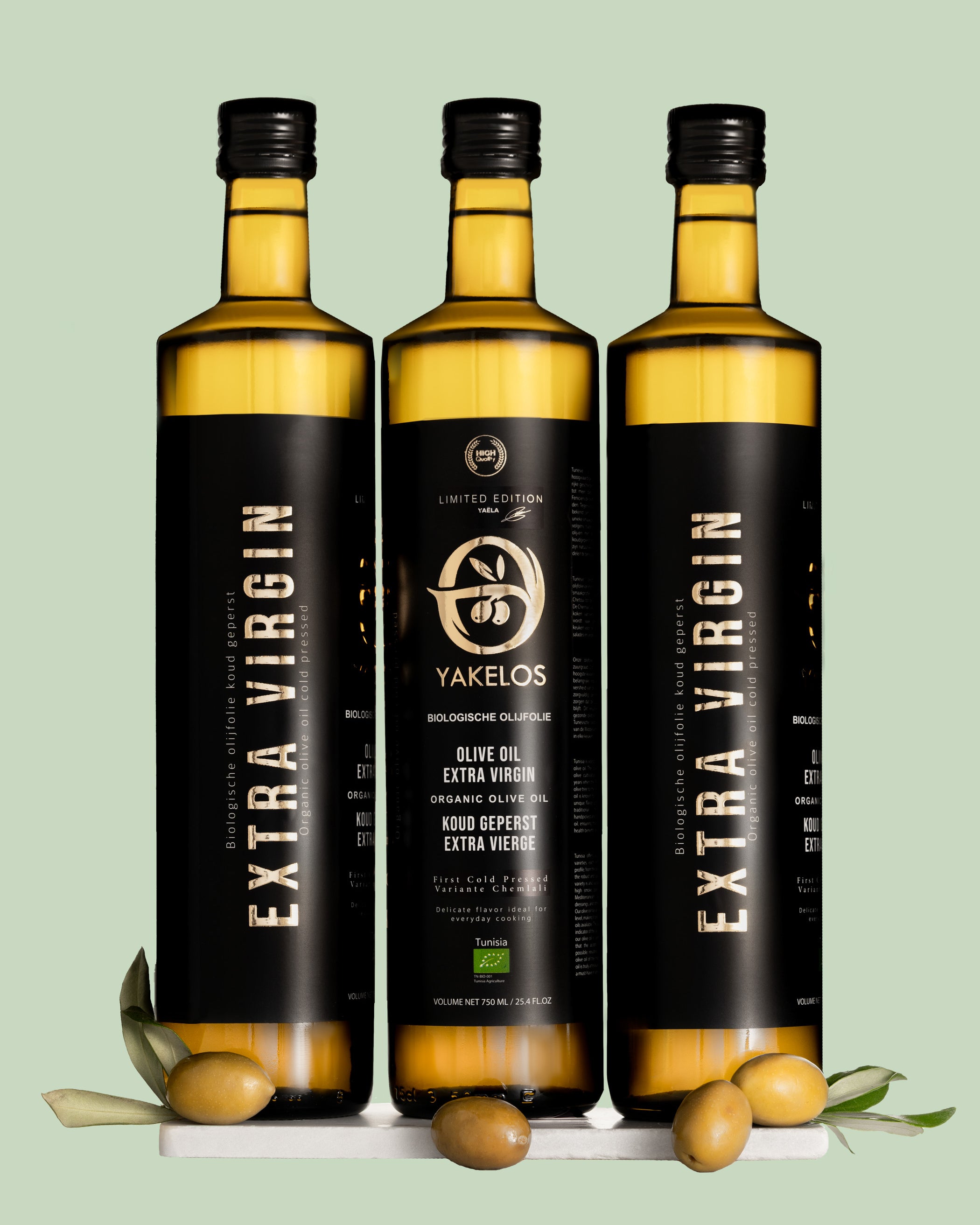
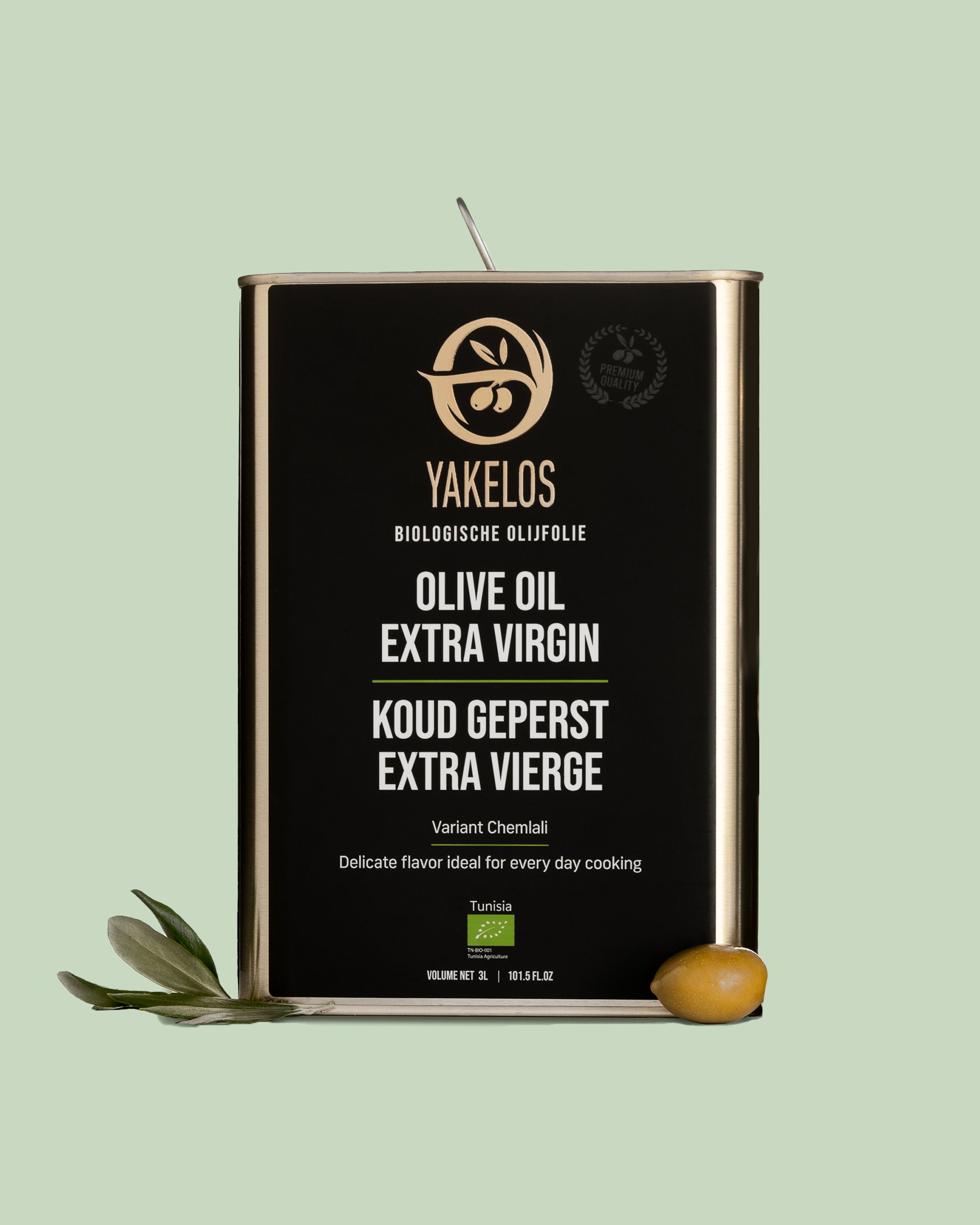
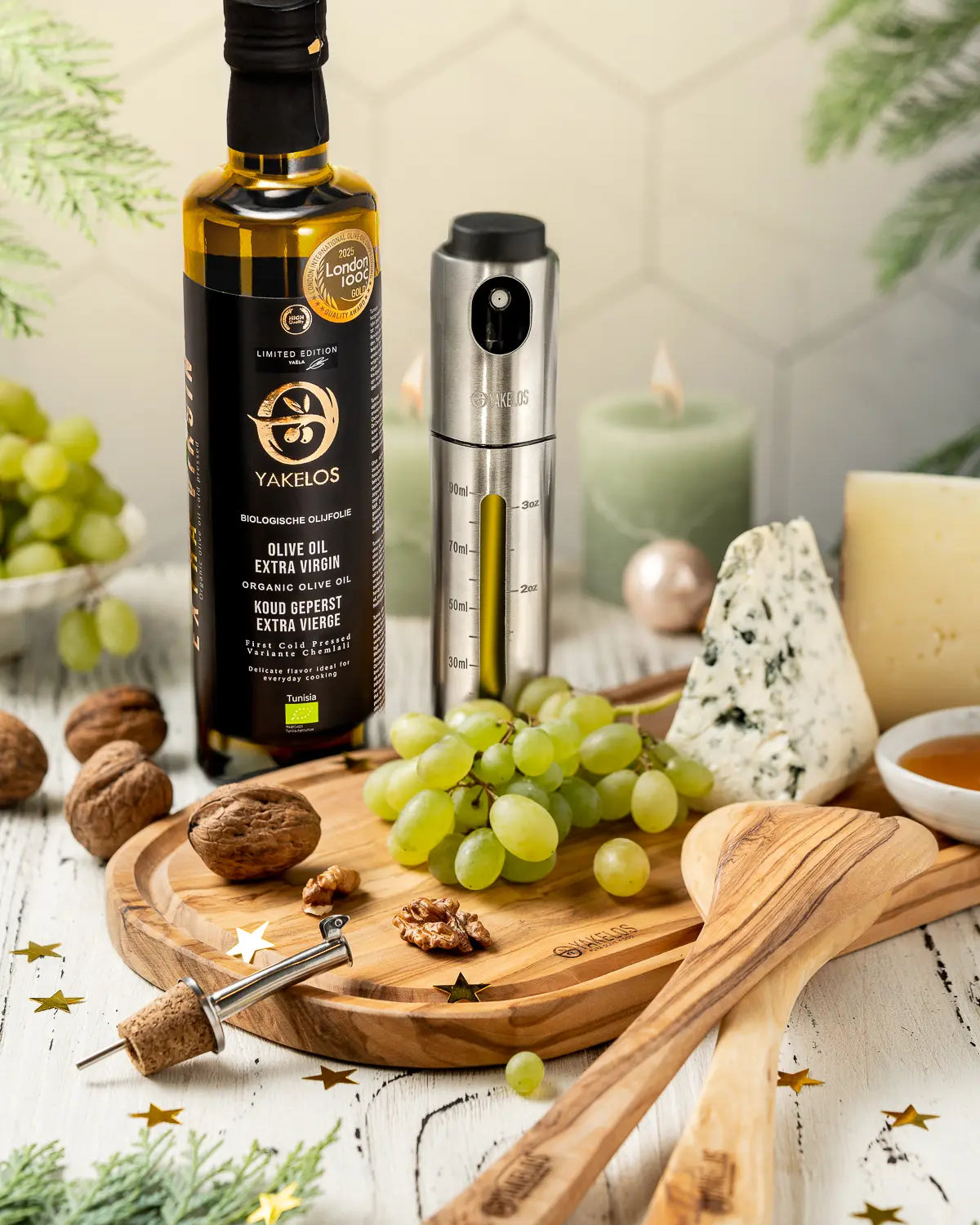
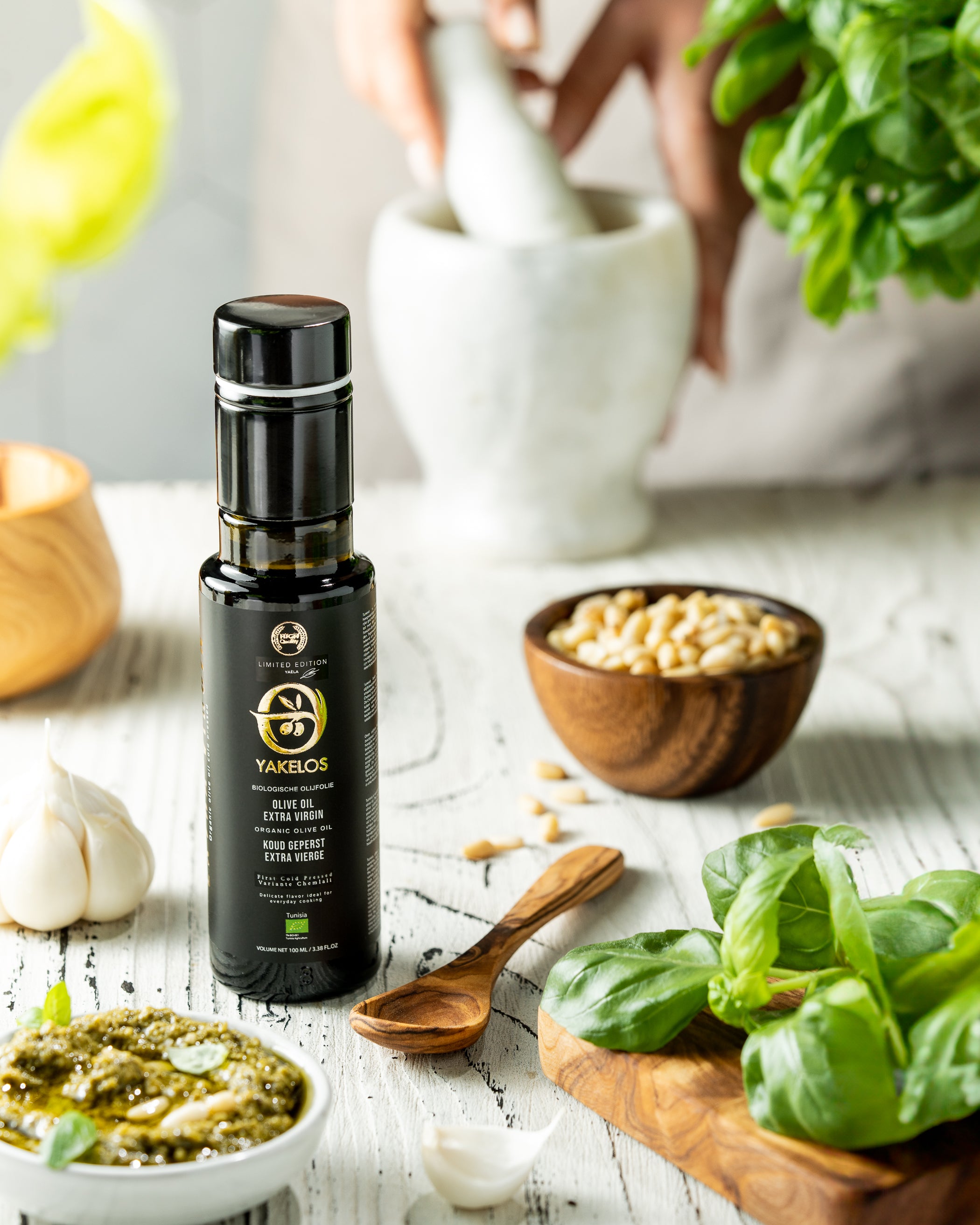
Stay ahead of this uncertainty by securing your supply early. Order your extra virgin olive oil now from your trusted supplier: Yakelos.