




Shakshuka is a flavourful one-pan dish made with eggs gently cooked in a rich tomato sauce with peppers, onion, garlic and aromatic spices. It is simple to prepare and suitable for breakfast, lunch or a light evening meal.
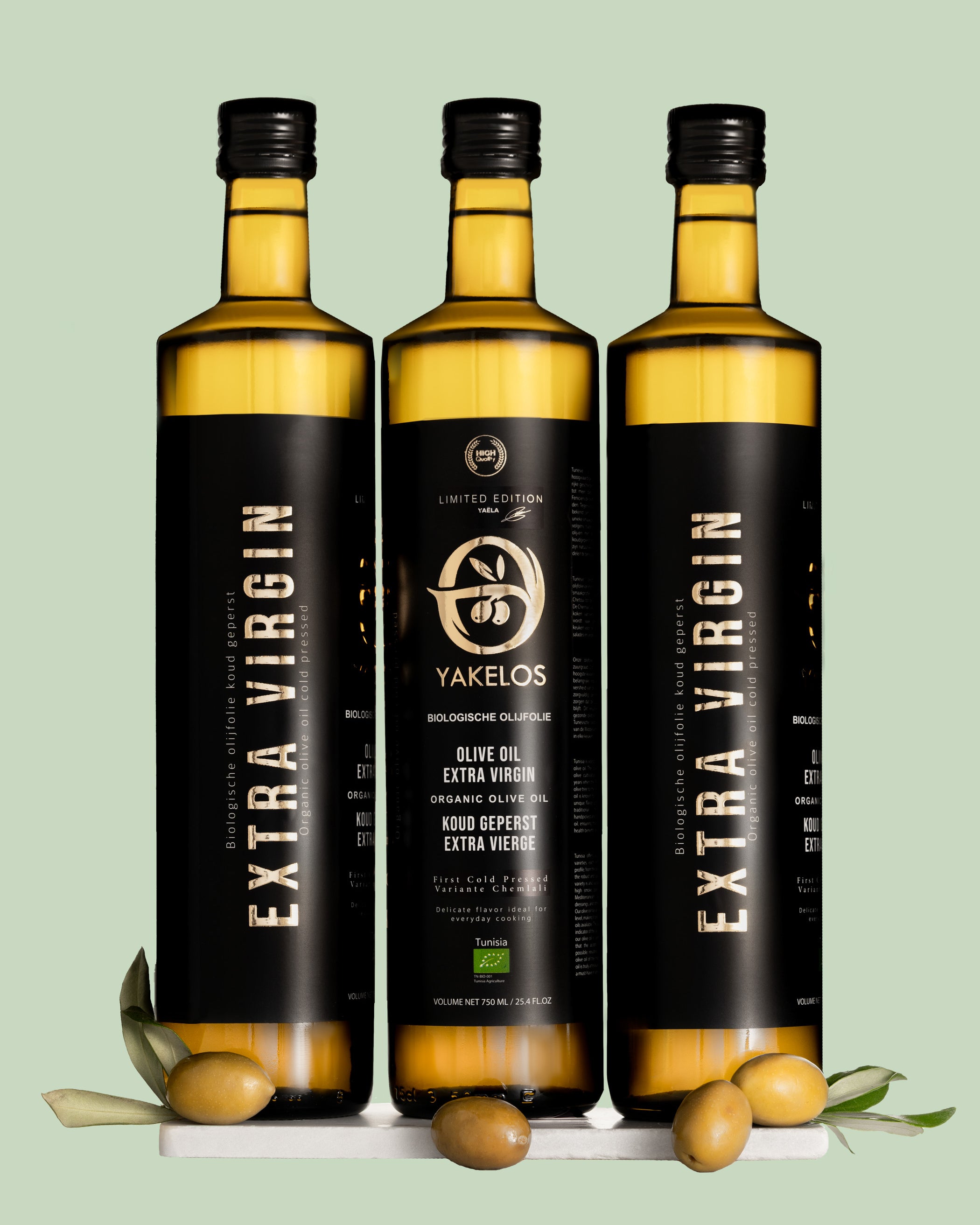
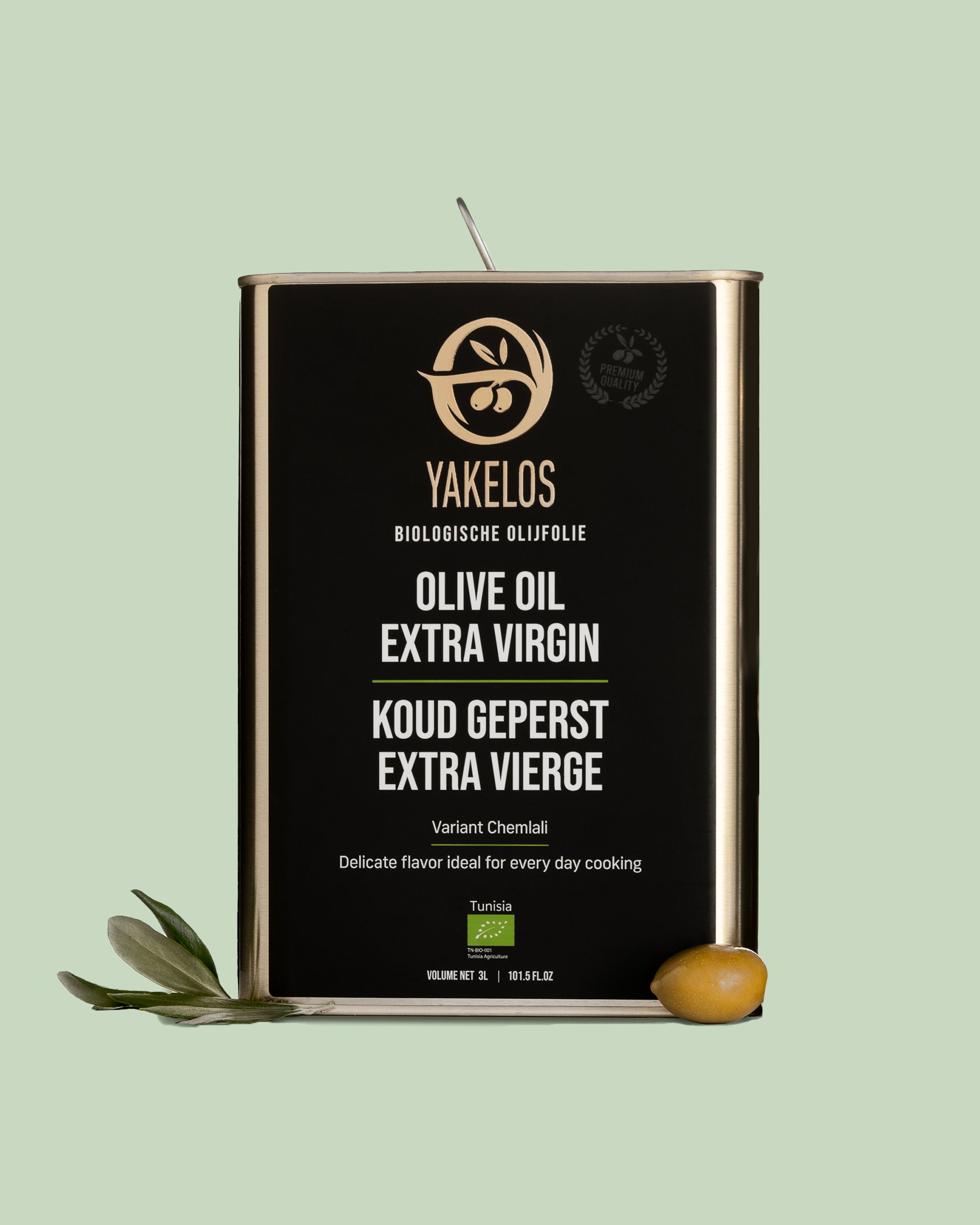
Serve the shakshuka straight from the pan with fresh bread for dipping into the warm tomato sauce. Finish the dish with a generous drizzle of Yakelos extra virgin olive oil for an additional fruity flavour.
- Preparation time: approximately 15 minutes
- Cooking time: approximately 25 minutes
- Total time: approximately 40 minutes
- Difficulty: easy
- Serves: 4
- Dietary information: vegetarian, dairy-free and gluten-free when served without bread or with gluten-free bread
Ingredients
- 4 tablespoons Yakelos extra virgin olive oil
- 1 large onion
- 2 red peppers
- 2 cloves of garlic
- 800 g canned chopped tomatoes
- 2 tablespoons tomato purée
- 4 to 6 eggs
- 1 teaspoon ground cumin
- 1 teaspoon smoked paprika
- ½ teaspoon chilli flakes
- Salt and black pepper, to taste
- A handful of fresh parsley or coriander
- Fresh bread, pita bread or Turkish bread, to serve
Method
1. Prepare the vegetables
Peel the onion and cut it into thin half-moon slices. Remove the seeds from the peppers and cut them into thin strips. Finely chop the garlic.
If you are using coriander, you can finely chop the stems and leaves separately. Add the stems while cooking the sauce and save the leaves for garnishing.
2. Cook the onion and peppers
Heat three tablespoons of Yakelos extra virgin olive oil in a large frying pan or sauté pan with a lid over a medium heat.
Add the onion and peppers and cook for approximately 8 to 10 minutes. Stir regularly until the onion is translucent and the peppers begin to soften.
3. Add the garlic and spices
Add the garlic, cumin, smoked paprika and chilli flakes. If you are using coriander stems, add them at this stage as well.
Cook everything for approximately one minute, stirring regularly. This gives the spices time to release their flavours and aromas without burning.
4. Make the tomato sauce
Stir the tomato purée into the vegetables and cook briefly. Add the chopped tomatoes and season the sauce with salt and black pepper.
Leave the sauce to simmer gently without a lid for approximately 10 to 15 minutes. Stir occasionally. The sauce should thicken slightly while remaining moist enough to cook the eggs.
Taste the sauce before adding the eggs. If the tomatoes are particularly acidic, you can add a small pinch of sugar to balance the flavour.
5. Add the eggs
Use the back of a large spoon to make four to six wells in the tomato sauce. Carefully crack one egg into each well.
Cover the pan with a lid and allow the eggs to cook over a low heat for approximately 5 to 8 minutes. The egg whites should be set, while the yolks should preferably remain soft.
Check the eggs regularly towards the end of the cooking time, as they can become firm quite quickly.
6. Serve the shakshuka
Remove the pan from the heat. Drizzle the remaining tablespoon of Yakelos extra virgin olive oil over the shakshuka and garnish with fresh parsley or coriander.
Serve immediately, straight from the pan, with fresh bread, toasted bread, pita bread or Turkish bread.
The history and origin of shakshuka
Shakshuka originated in the Maghreb, the region in western North Africa that includes countries such as Morocco, Algeria and Tunisia. In Arabic, Maghreb means “the west”, referring to the western part of North Africa and the Arab world.
The name shakshuka is generally associated with a Tunisian Arabic word meaning “mixture”. This is an appropriate description of a dish that combines eggs, tomatoes, peppers, onion, garlic, olive oil and warming spices in a single pan.
The modern form of shakshuka is thought to have developed after tomatoes and chilli peppers were introduced to Europe and Africa from the Americas. Over time, the dish spread throughout North Africa and the Middle East. Today, it is particularly well known in Israeli and wider Middle Eastern cuisine, although its precise preparation varies considerably between countries, regions and households.
Modern chefs and cookbooks have helped make shakshuka popular around the world. As a result, many new versions have appeared, using ingredients such as feta, chickpeas, spinach, aubergine and spicy sausage.
Shakshuka as comfort food
Shakshuka is often described as the ultimate comfort food. It is warm, rich in flavour and easy to prepare using just one pan.
It can be served at almost any time of day. The combination of vegetables, eggs and olive oil makes it a satisfying breakfast or lunch, while the tomato sauce and optional additions can turn it into a filling evening meal. Because everything is prepared in one pan, there is also relatively little washing up afterwards.
Optional additions
Shakshuka is easy to adapt according to your taste or the ingredients you have available.
Feta
Crumble feta over the tomato sauce before adding the eggs. Its creamy texture and salty flavour work particularly well with the sweet tomatoes and peppers.
Chickpeas
Add one drained can of chickpeas to the tomato sauce for extra fibre and protein. This makes the shakshuka more filling and particularly suitable as an evening meal.
Spinach
Stir a few handfuls of fresh spinach into the tomato sauce. Allow the leaves to wilt before making the wells and adding the eggs.
Courgette or aubergine
Cook diced courgette or aubergine together with the onion and peppers. Make sure the vegetables have softened properly before adding the tomatoes.
Spicy sausage
For a non-vegetarian shakshuka, add pieces of merguez, chorizo or another spicy sausage. Brown the sausage in the pan first, remove it temporarily and then prepare the vegetables in the remaining oil and flavours.
Harissa
Stir approximately one teaspoon of harissa into the tomato sauce for a spicier North African flavour. Start with a small amount, as the intensity of harissa can vary considerably.
Avocado
Serve the finished shakshuka with sliced avocado for a fresh and creamy addition.
Tips for the best shakshuka
Use a large pan
Choose a pan that provides enough room for the eggs. If the pan is too small, the eggs will sit too close together and may cook unevenly.
Allow the sauce to reduce
A watery tomato sauce will make the shakshuka less rich and flavourful. Allow the sauce to simmer without a lid until it has thickened sufficiently before adding the eggs.
Taste before adding the eggs
Once the eggs are in the pan, it becomes more difficult to stir or adjust the sauce. Taste it first and add more salt, pepper, cumin or chilli if necessary.
Keep a close eye on the eggs
The exact cooking time depends on the size of the eggs, the temperature of the sauce and your preferred consistency. Check them after approximately five minutes and remove the pan from the heat as soon as the whites have set.
Add olive oil after cooking
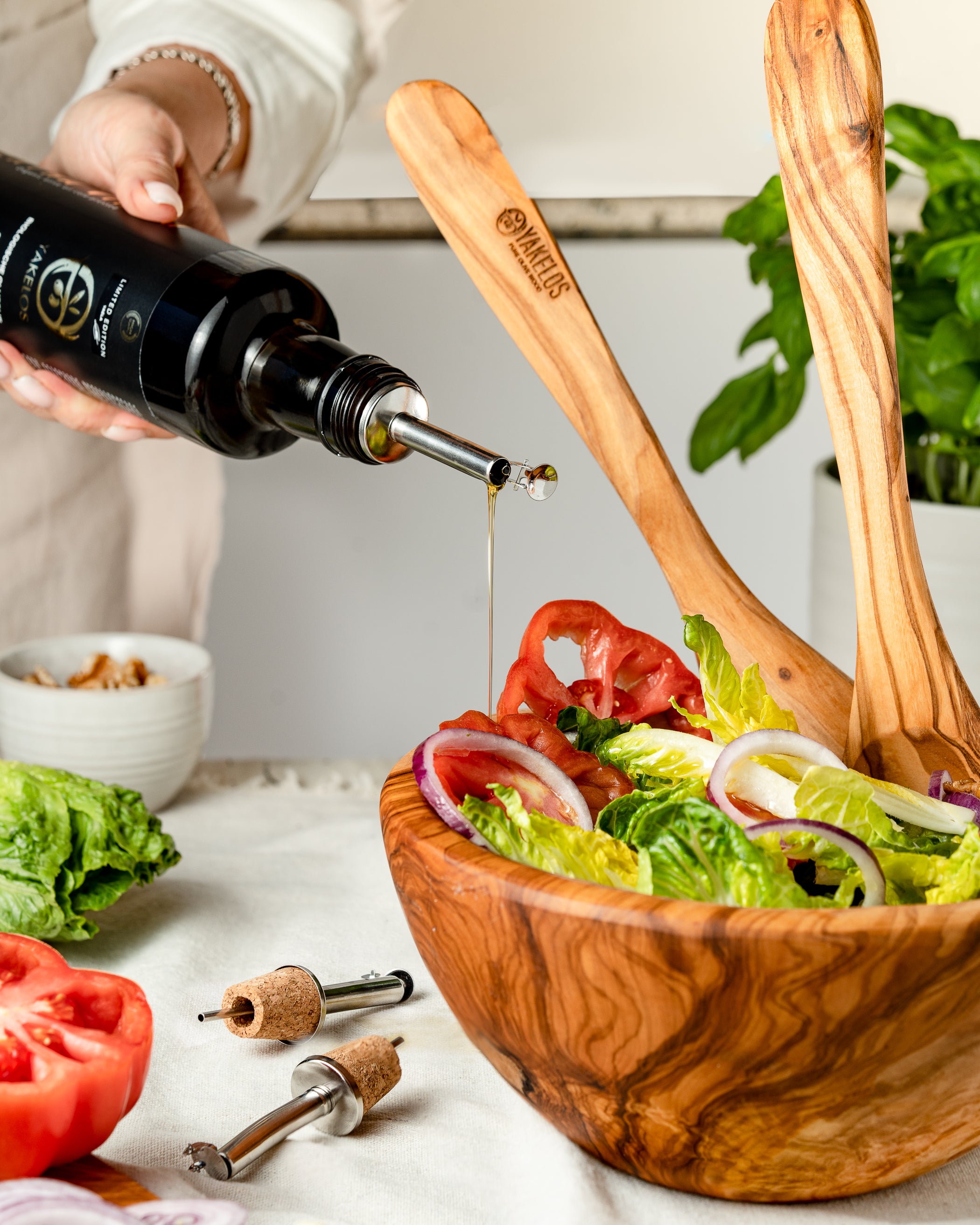
Extra virgin olive oil can be used to cook the vegetables, but it also works particularly well as a finishing oil. Drizzling Yakelos extra virgin olive oil over the shakshuka just before serving helps preserve its fruity aroma and flavour.
Serve immediately
Shakshuka tastes best while the tomato sauce is still hot and the egg yolks are soft. Serve the dish immediately after cooking.
Frequently asked questions
What is shakshuka?
Shakshuka is a one-pan dish in which eggs are poached in a spiced sauce made with tomatoes, peppers, onion and garlic. It is usually served directly from the pan with bread.
Where does shakshuka come from?
Shakshuka originated in North Africa, particularly in the Maghreb region. It later spread to the Middle East and is now enjoyed throughout the world.
Can shakshuka be prepared in advance?
Yes. You can prepare the tomato sauce one or two days in advance and store it in a sealed container in the refrigerator. Reheat the sauce in a pan and add the eggs shortly before serving.
The tomato sauce can also be frozen. Allow it to cool completely, place it in a suitable container and store it in the freezer for up to one month.
Can you reheat shakshuka?
The tomato sauce can be reheated easily. However, cooked eggs may quickly become overcooked. It is therefore best to store the sauce without the eggs and add fresh eggs when reheating it.
Is shakshuka gluten-free?
The shakshuka itself is naturally gluten-free. Serve it without bread or use gluten-free bread if you want the entire meal to be gluten-free.
Is shakshuka healthy?
Shakshuka contains several vegetables, protein from the eggs and unsaturated fats from the olive oil. Its final nutritional value depends on the portion size and any optional ingredients served with it.
Which olive oil should you use for shakshuka?
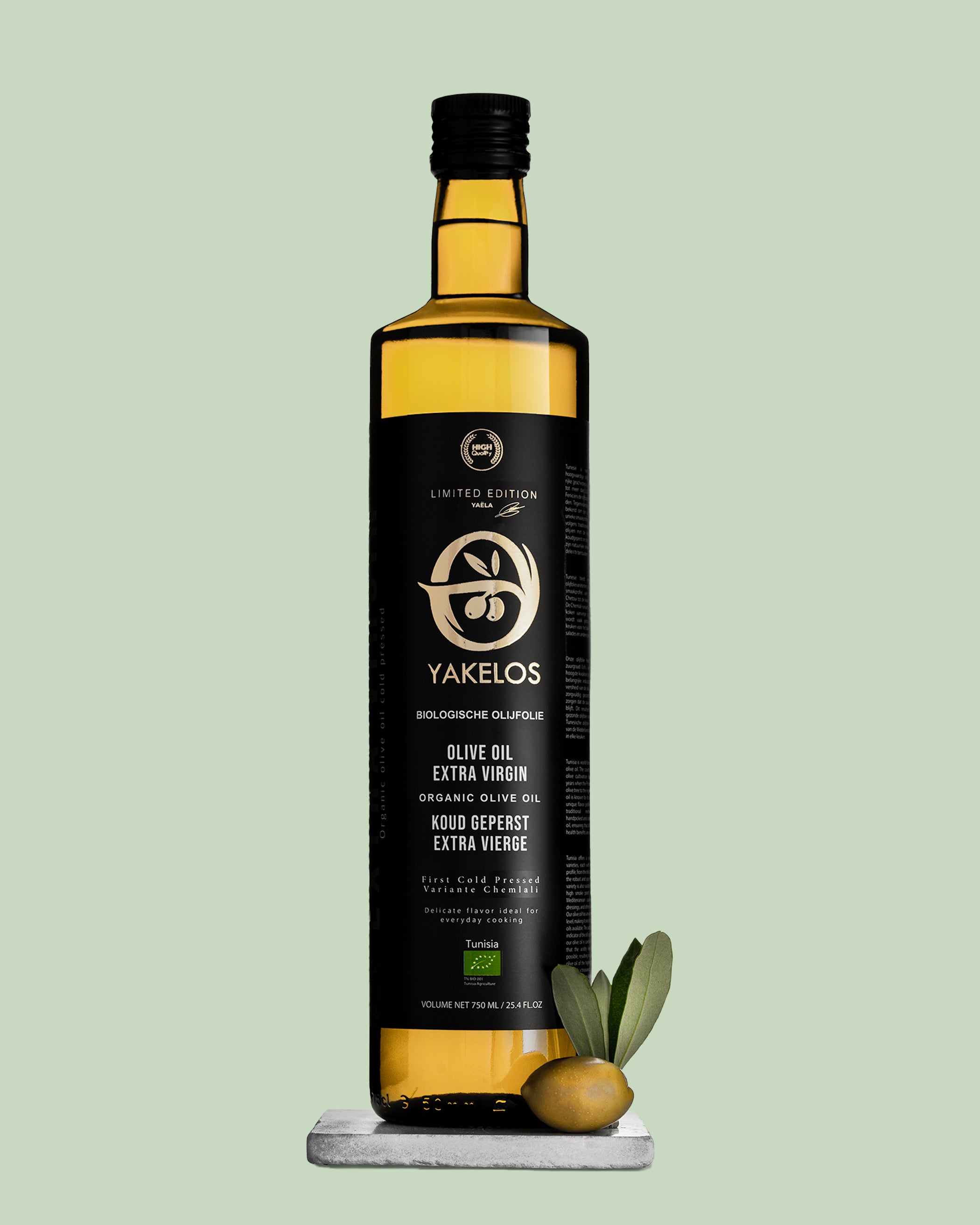
Use a flavourful extra virgin olive oil, such as Yakelos extra virgin olive oil. It can be used to cook the vegetables and drizzled over the finished dish for additional flavour.
What should you serve with shakshuka?
Shakshuka is traditionally served with bread for dipping into the tomato sauce and soft egg yolks. It also pairs well with:
- A fresh green salad
- Couscous
- Hummus
- Roasted potatoes
- Grilled vegetables
- Sliced avocado
Complete your shakshuka with Yakelos olive oil
A flavourful shakshuka starts with good-quality ingredients. Use Yakelos extra virgin olive oil to cook the vegetables and add a generous drizzle just before serving. This gives the dish a rich, fruity finishing touch.







Comments
Je schrijft chilivlokken, maar past pul biber ook?