Information

The Heart-Health Benefits of Olive Oil
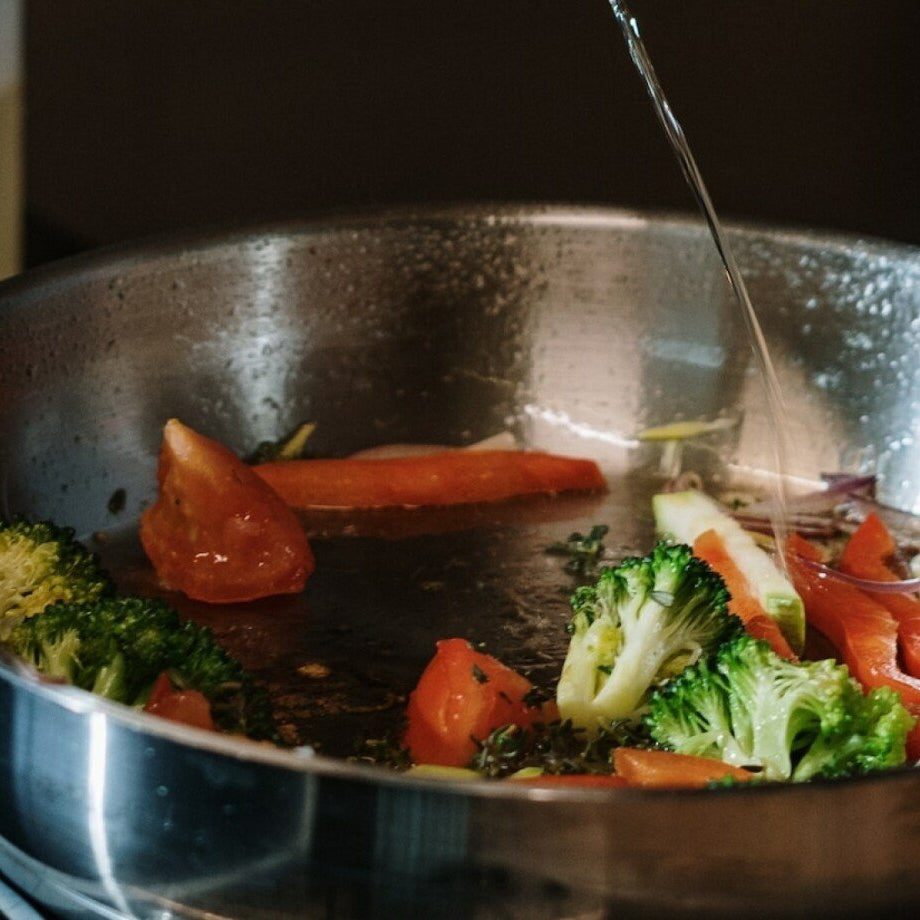
How to use olive oil in the kitchen
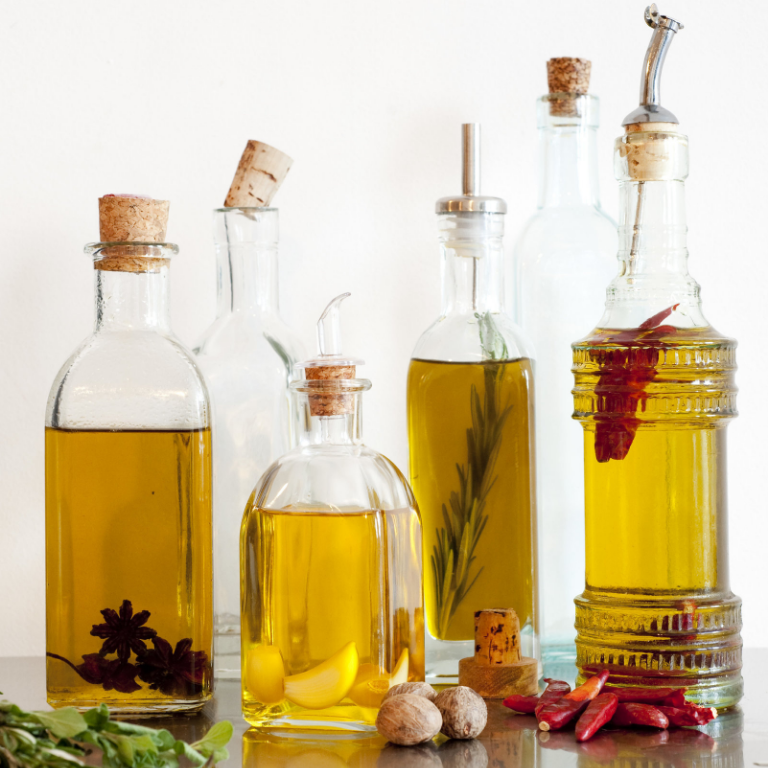
Fresh Herbs in Olive Oil: Enjoying Them Safely
Fresh herbs in olive oil are a simple way to add incredible flavor — but did you know they don’t stay fresh for long?
In this guide, we explain why infused oils have a short shelf life and share safe, easy methods to make them last longer. From drying herbs to making heated infusions, discover how to enjoy homemade flavor while keeping it fresh and safe.
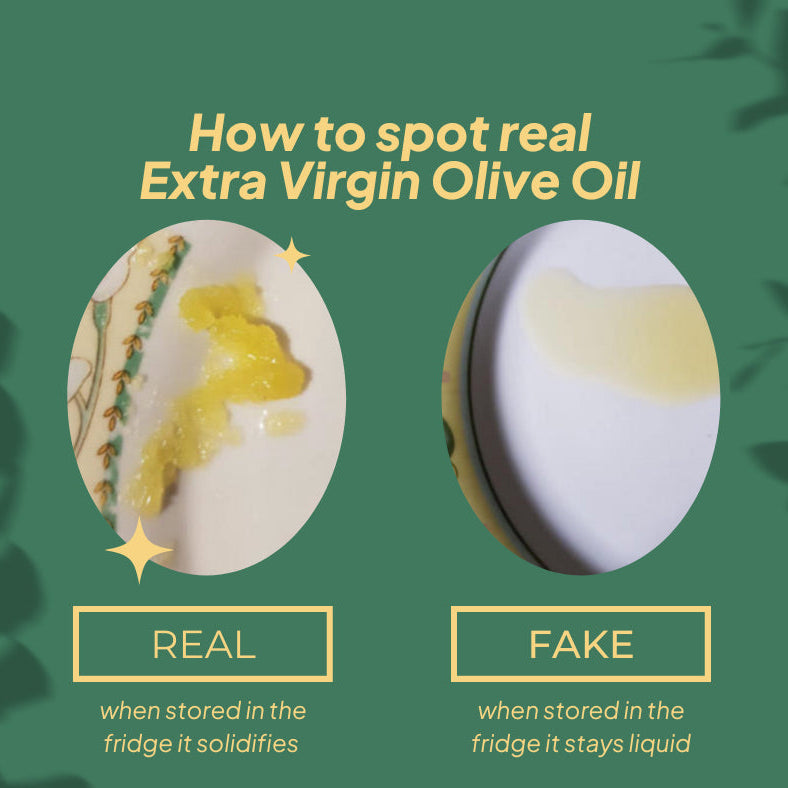
Olive Oil Fraud: A Growing Problem
Across Europe, olive oil fraud is on the rise. From colouring cheap seed oils to passing off low-grade blends as ‘extra virgin’, criminals are cashing in on record prices. The result? Consumers paying premium prices for fake oil — and in some cases, facing potential health risks. Discover the latest cases, why this fraud is so hard to detect, and how you can make sure the olive oil on your table is the real thing.
How Olive Oil May Help Prevent Bone Loss from Gum Disease
New study reveals that oleic acid, found in extra virgin olive oil, helps protect aging mice from bone loss caused by gum infections. A powerful reminder of the health benefits hidden in your kitchen. Choose smarter fats—choose olive oil. 🌿
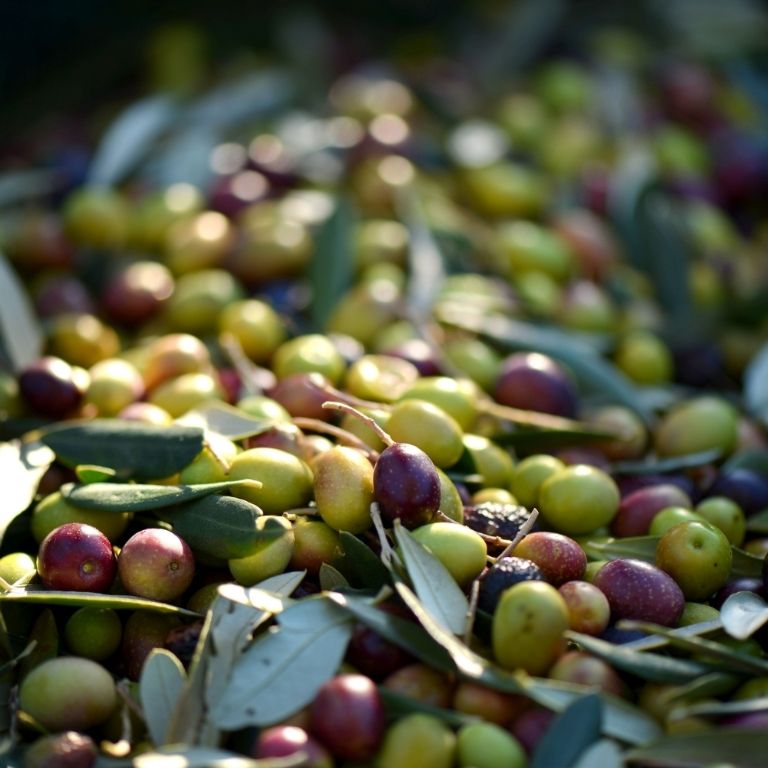
Chemlali: Tunisia’s Resilient Olive
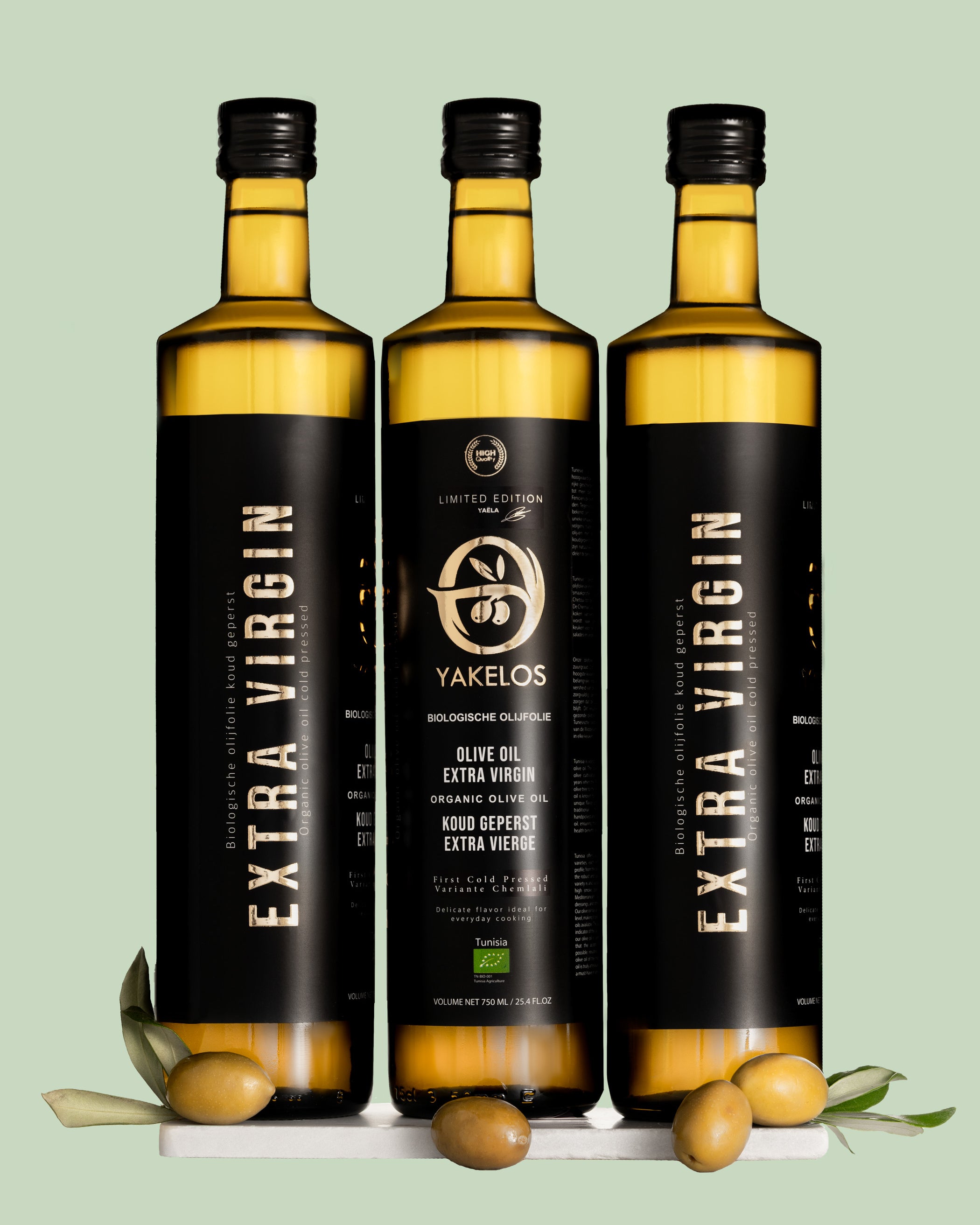
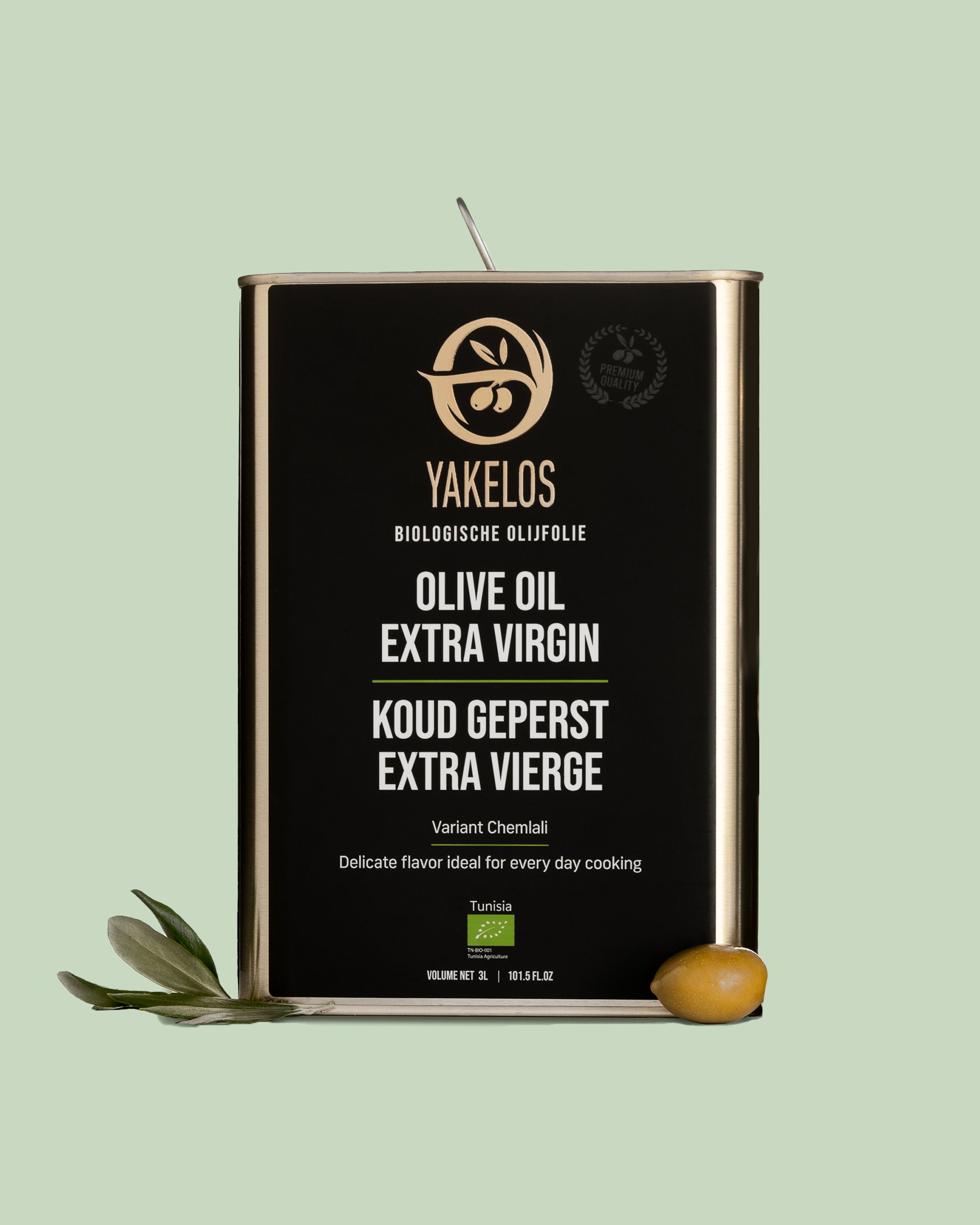
Our olive oil is made from the Chemlali olive — a hardy, flavorful cultivar from the heart of Tunisia.
Naturally adapted to dry, saline conditions, this small olive produces a smooth, mildly fruity extra virgin olive oil with a pleasant bitterness and a subtle peppery finish. Rich in healthy monounsaturated fats (55–59% oleic acid), it’s both delicious and nutritious — perfect for dressings and cold preparations.
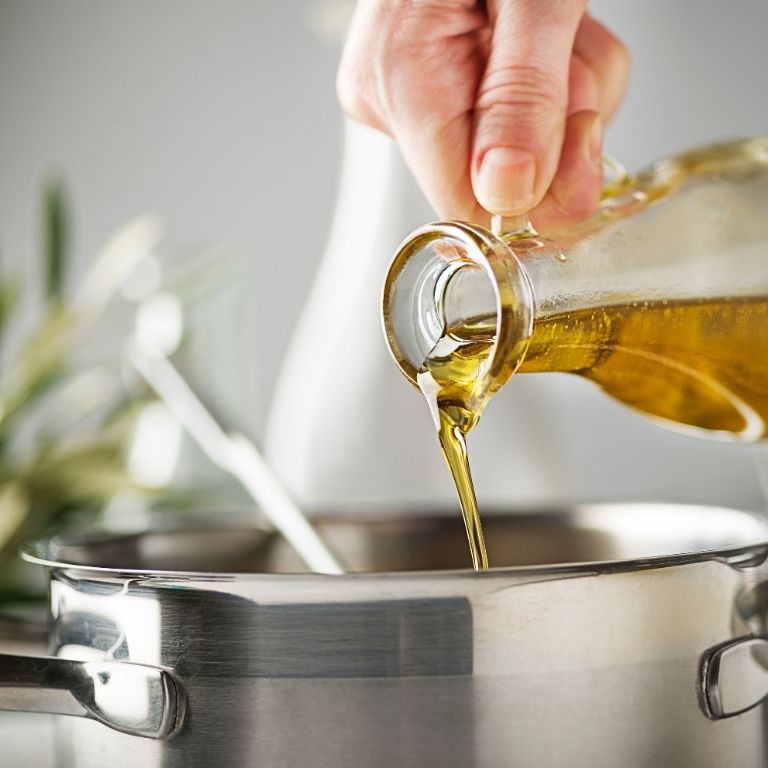
The Rise of Olive Oil Amid Sunflower Shortages
The war in Ukraine has disrupted the supply of sunflower oil, creating shortages across Europe. While manufacturers turn to less healthy oils like palm or coconut, olive oil offers a better alternative. It’s ideal for frying, rich in healthy fats, and even recommended by consumer program Radar. A smart, tasty step toward a healthier Mediterranean lifestyle.
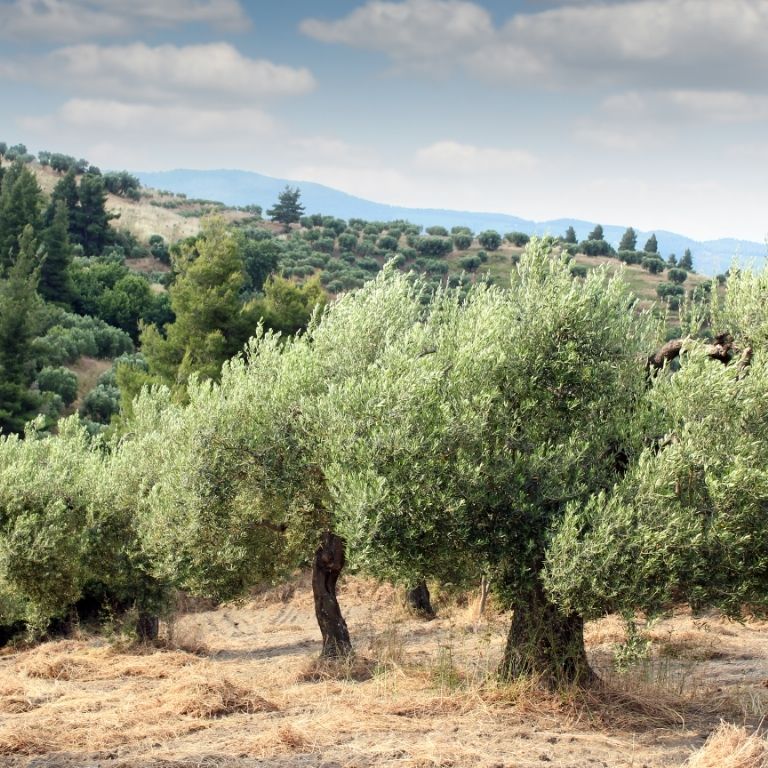
The tragedy of Tunisian olive oil
Discover the hidden truth behind Tunisian olive oil: how major Spanish producers dominate the market, sidelining Tunisian farmers, and how you can support fair, authentic olive oil.
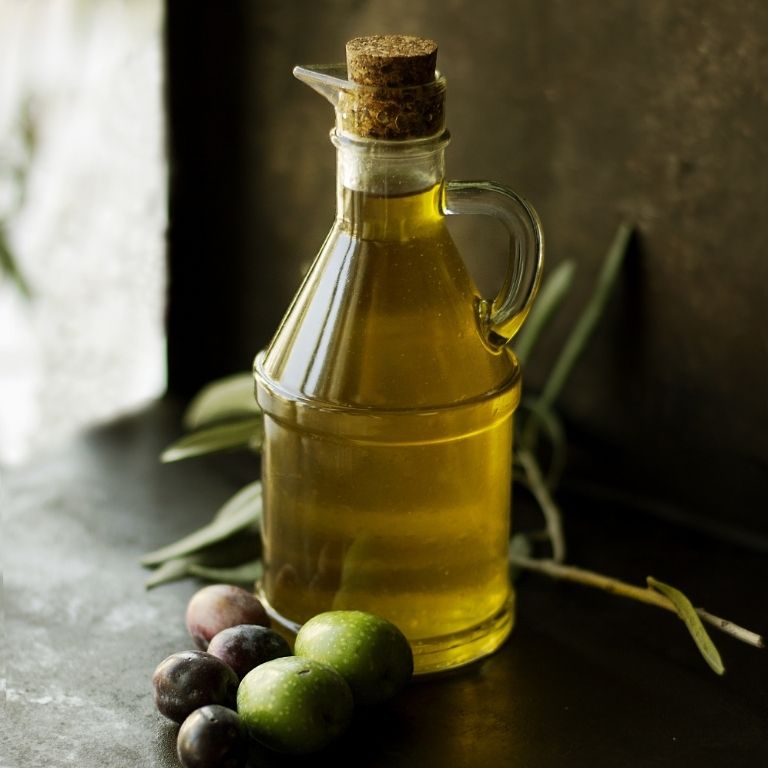
Healthy vs. Unhealthy Fats: What to Use and What to Avoid
Fat often gets a bad reputation, but the truth is more complex. Some fats—like those in olive oil and sunflower oil—are actually good for your heart. These healthy fats help maintain balanced cholesterol levels. On the flip side, too much saturated fat can be harmful, and trans fats should be avoided altogether. By understanding which fats are beneficial and which to limit, you can make better choices for your health—without cutting out fat entirely.
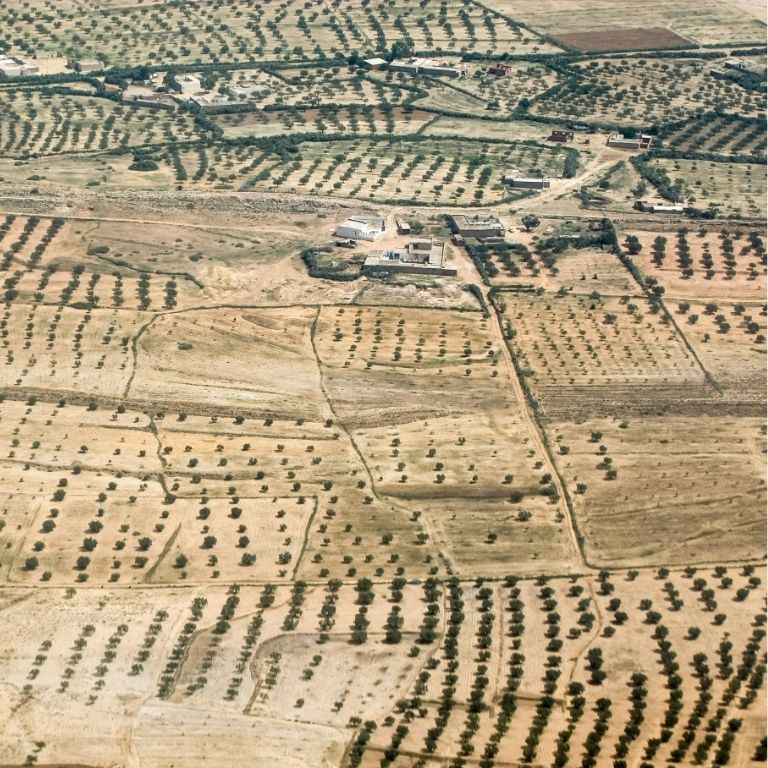
Tunisians and their olive oil
Tunisia: Where Olive Oil Meets Ancient History
Long before Tunisia became known for its beaches, it was home to Carthage, Roman mosaics, and the birthplace of olive oil traditions that still flourish today. Discover the rich heritage behind every drop of our extra virgin olive oil—rooted in centuries of craftsmanship and Mediterranean culture.
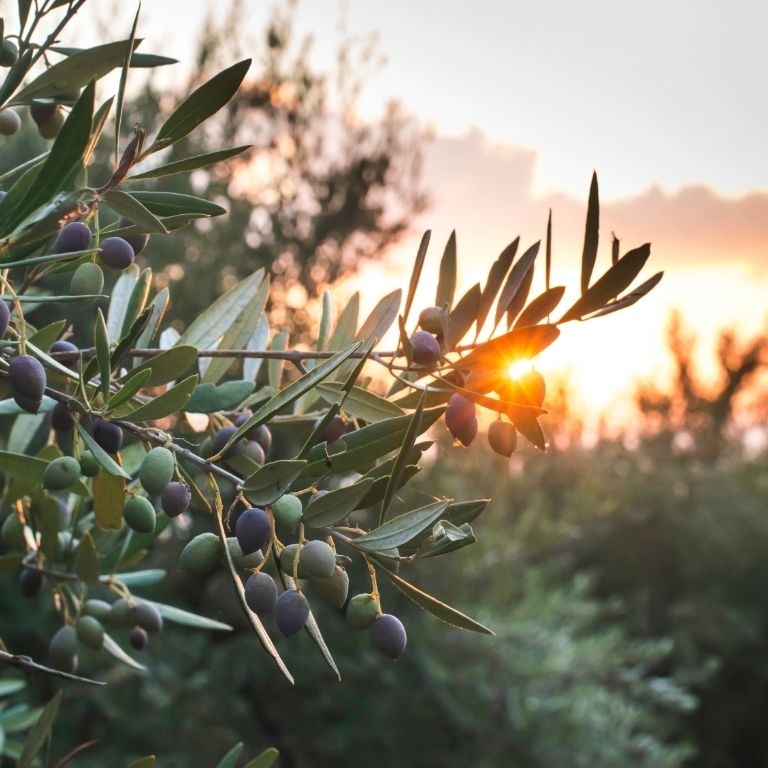
European olives at risk due to drought
Chemlali and the Future of Olive Oil
As climate change and desertification threaten olive production across southern Europe, Tunisia stands out. Its native Chemlali olive tree is remarkably resilient to dry conditions and declining rainfall. While others face uncertainty, Tunisia may offer a sustainable path forward—where tradition and climate resilience meet in every bottle of our olive oil.
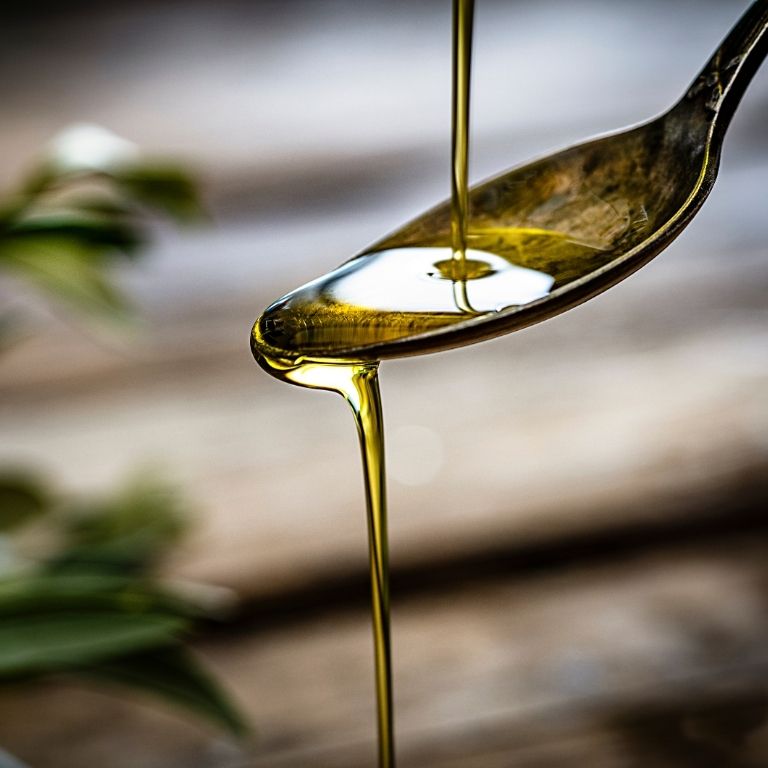
Help, my olive oil has solidified
Did your olive oil solidify in the cold? Don’t worry — it’s completely natural. Olive oil typically solidifies around -6°C, but this has no impact on its quality or flavour. The real threats to olive oil are oxygen, light and heat, which is why proper storage is essential. Always choose oil in dark bottles or tins and store it in a cool, dark place.