Information
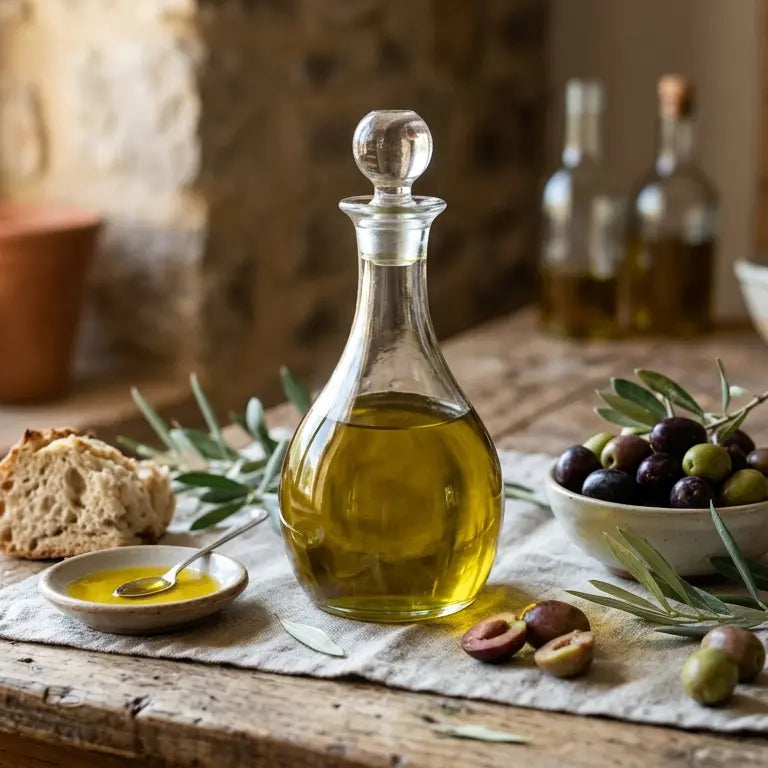
Unsaturated fats: what they are and why they matter
Unsaturated fats stay liquid at room temperature, and the Chemlali olive yields 55 to 59 percent oleic acid. Find out what this means for cholesterol.
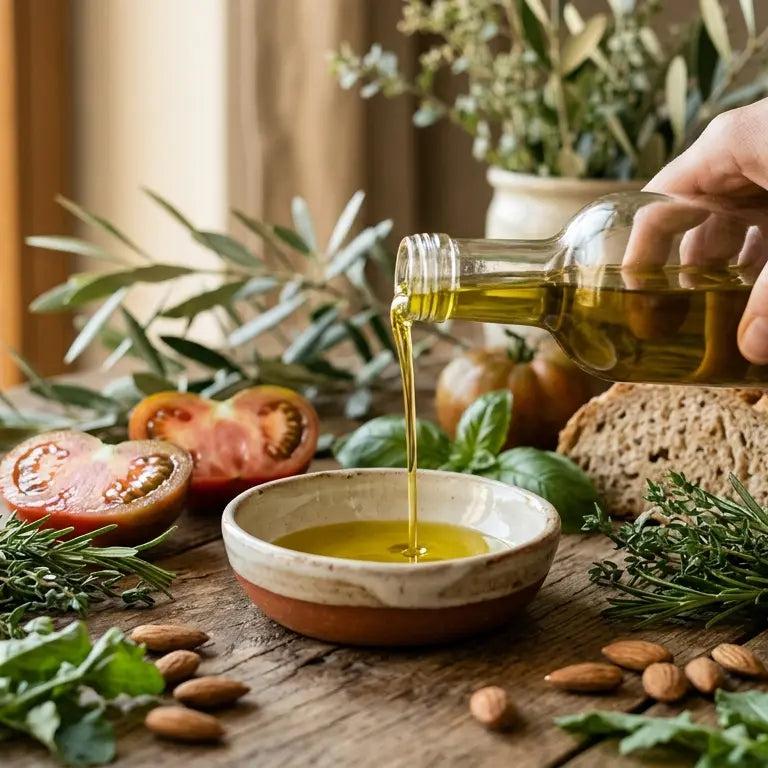
The Mediterranean diet: what it is and how to eat it
The Mediterranean diet centres on vegetables, whole grains and extra virgin olive oil, linked to a 23 percent lower risk of early death. Read how to start.
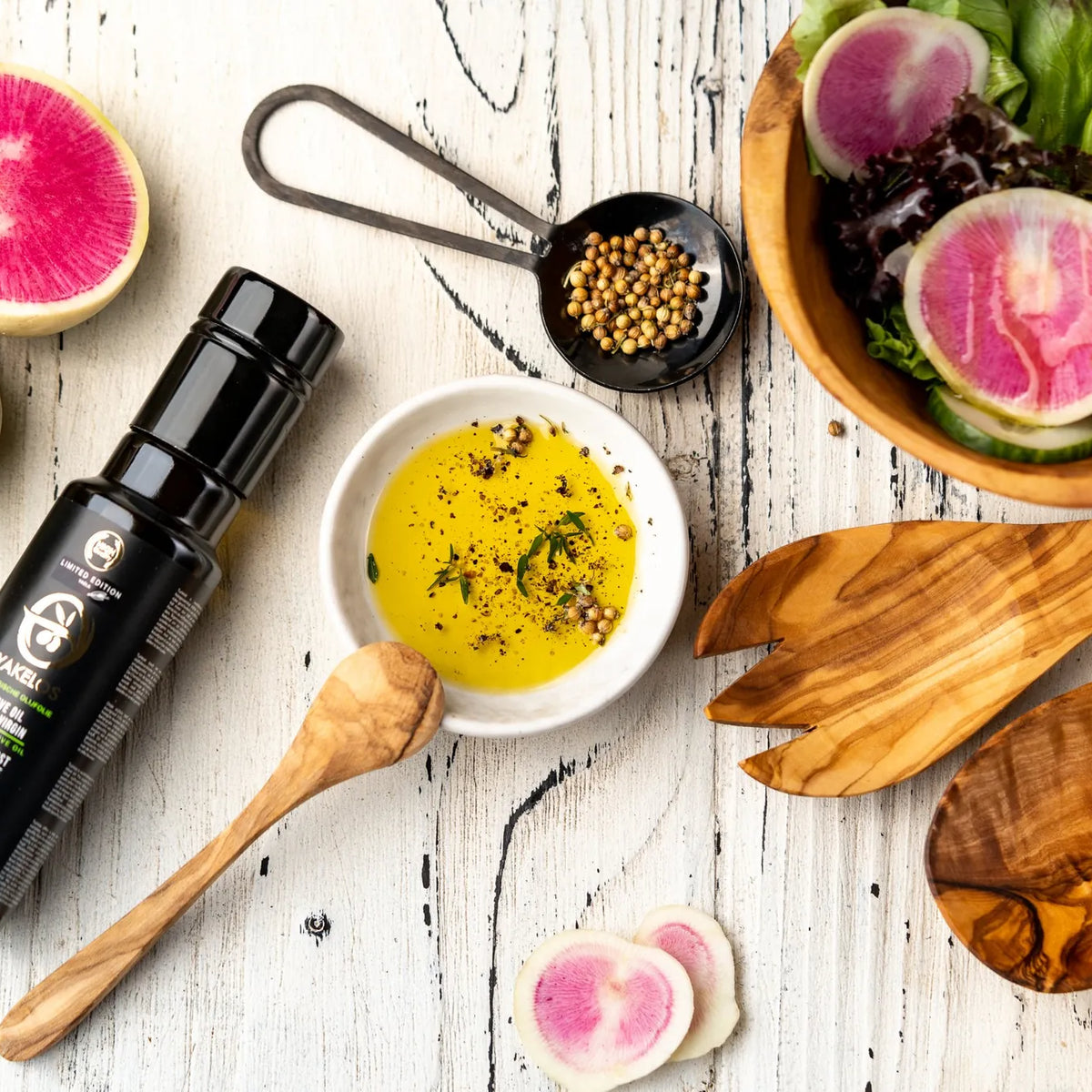
Extra virgin olive oil tested: more than half failed
Dutch consumer programme Keuringsdienst van Waarde tested 27 supermarket olive oils labelled extra virgin: only 12 actually qualified. Eleven were merely virgin and four were lampante, unfit for consumption. We explain the EU quality grades, why cheap “extra virgin” oil often falls short, and how to buy the real thing.
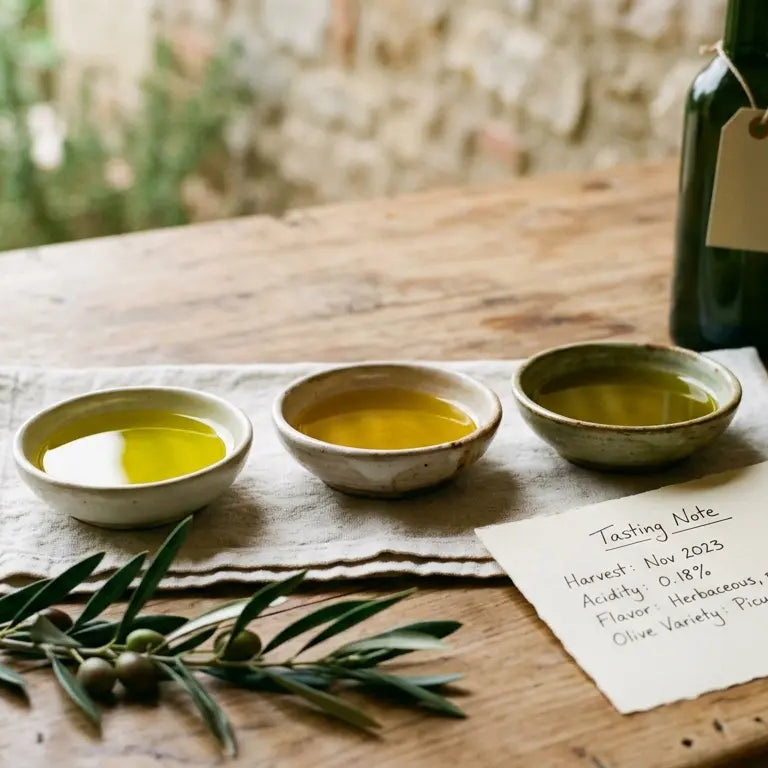
How to recognise good olive oil
Good olive oil has low acidity, a named origin and a recent harvest, not a famous label. Yakelos scores 0.2 to 0.4 percent. See the four checks to judge any bottle.
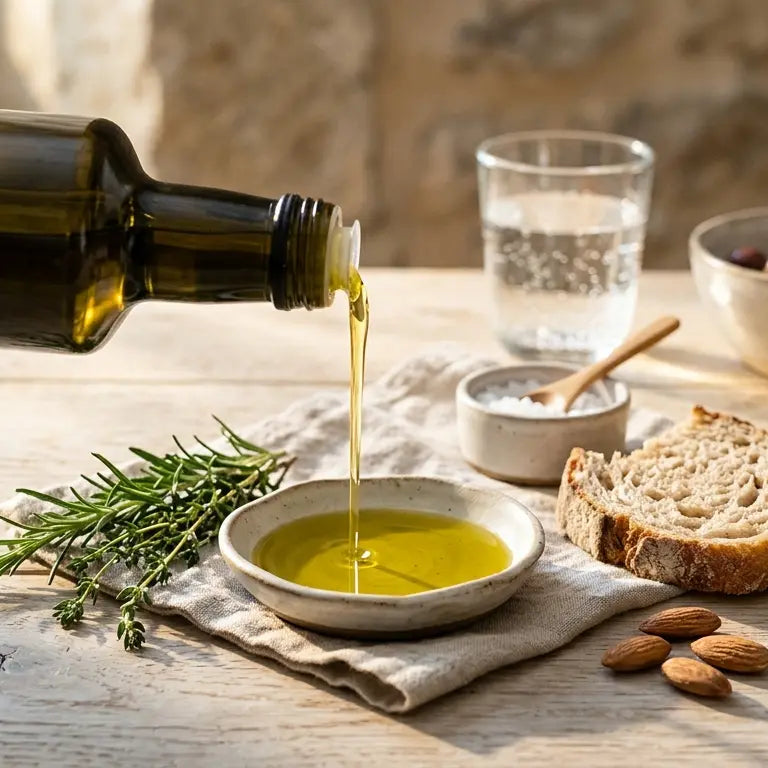
Is olive oil healthy? What the evidence actually shows
Olive oil is healthy when it replaces saturated fats like butter, taken as one to two tablespoons daily, especially extra virgin oil. See the evidence.
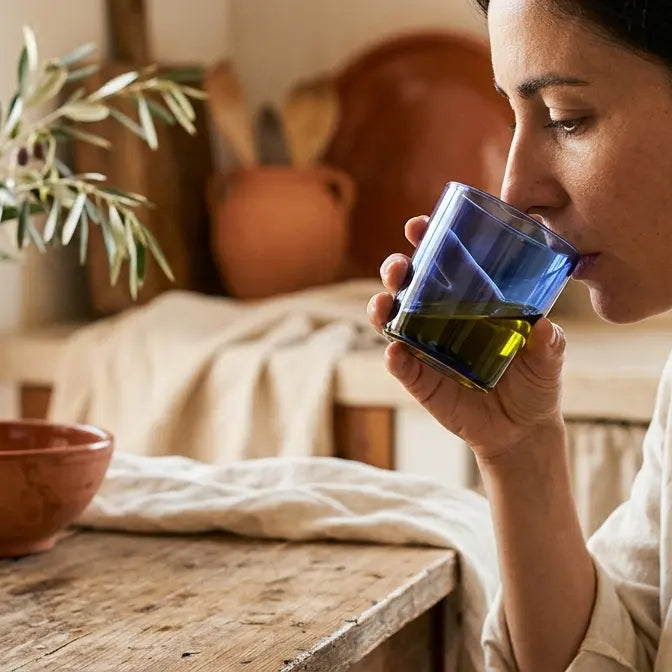
Polyphenols in olive oil: what they are and how to spot them
Olive oil polyphenols must reach roughly 250 mg/kg for the EU health claim, and a peppery throat catch signals they are present. Read how to spot them.
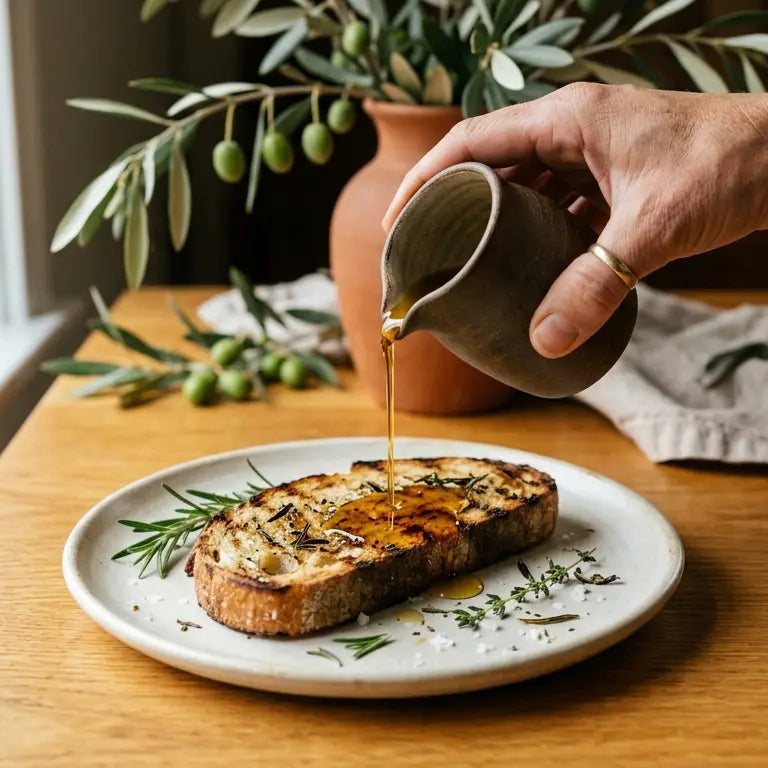
Smoked olive oil, what it is and how to use it
Smoked olive oil is genuine extra virgin oil, cold smoked over wood, not flavoured with added smoke aroma. Read how to use it as a finishing touch.

Why olive oil tastes bitter, and whether that is a good sign
Bitterness in extra virgin olive oil often signals polyphenols, as in Yakelos's Chemlali oil with 0.2 to 0.4% acidity. Find out when it means a fault.
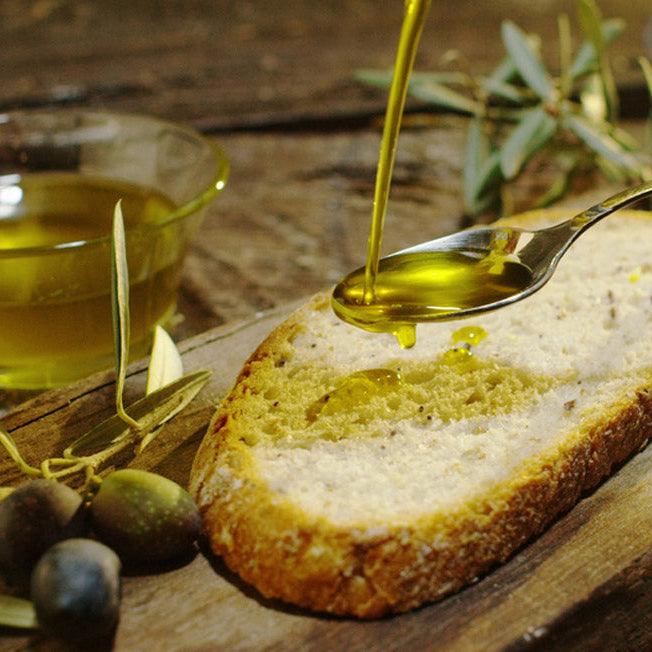
How to recognise good, genuine extra virgin olive oil
Genuine extra virgin olive oil has an acidity of 0.2 to 0.4 percent, well under the 0.8 legal limit. Read the four checks to spot it yourself.
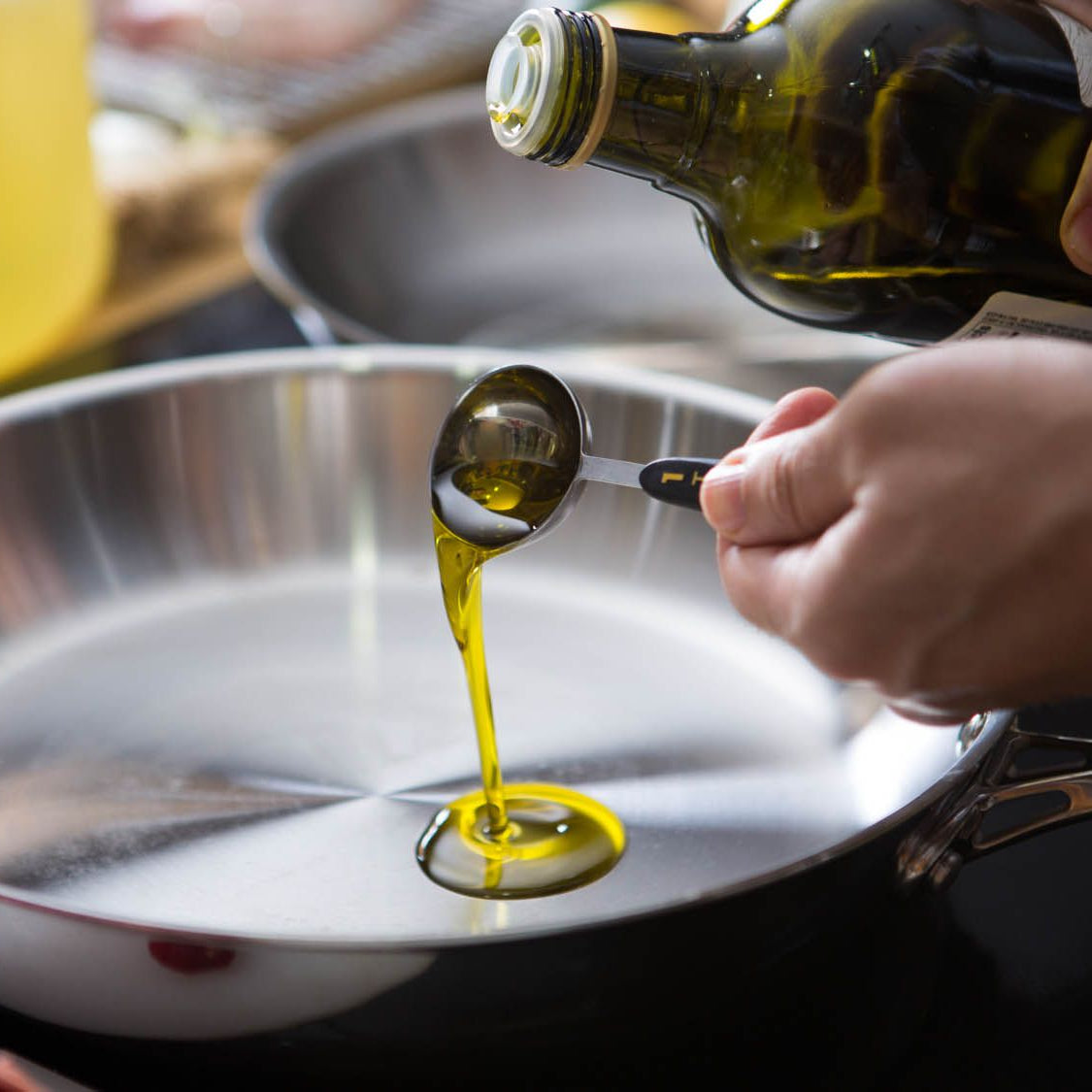
The melting point of olive oil, and what solidifying really means
The olive oil melting point isn't fixed: it clouds between 10 and 4 degrees and solidifies around minus 6. Find out why, and what actually causes damage.
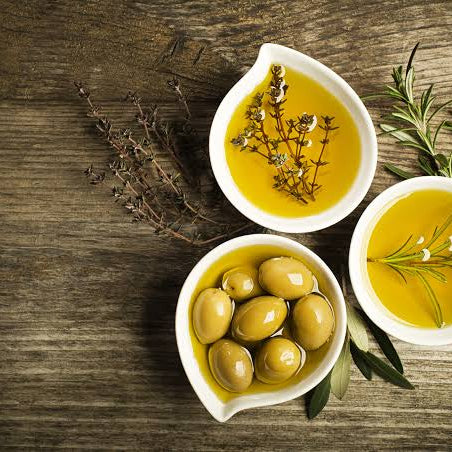
The disadvantages of olive oil, honestly weighed up
Olive oil has disadvantages, from around 90 kcal per tablespoon to a smoke point of 160 to 180 degrees. See how they weigh up against the benefits.

Bringing Olive Oil on a Plane: What Are the Rules?
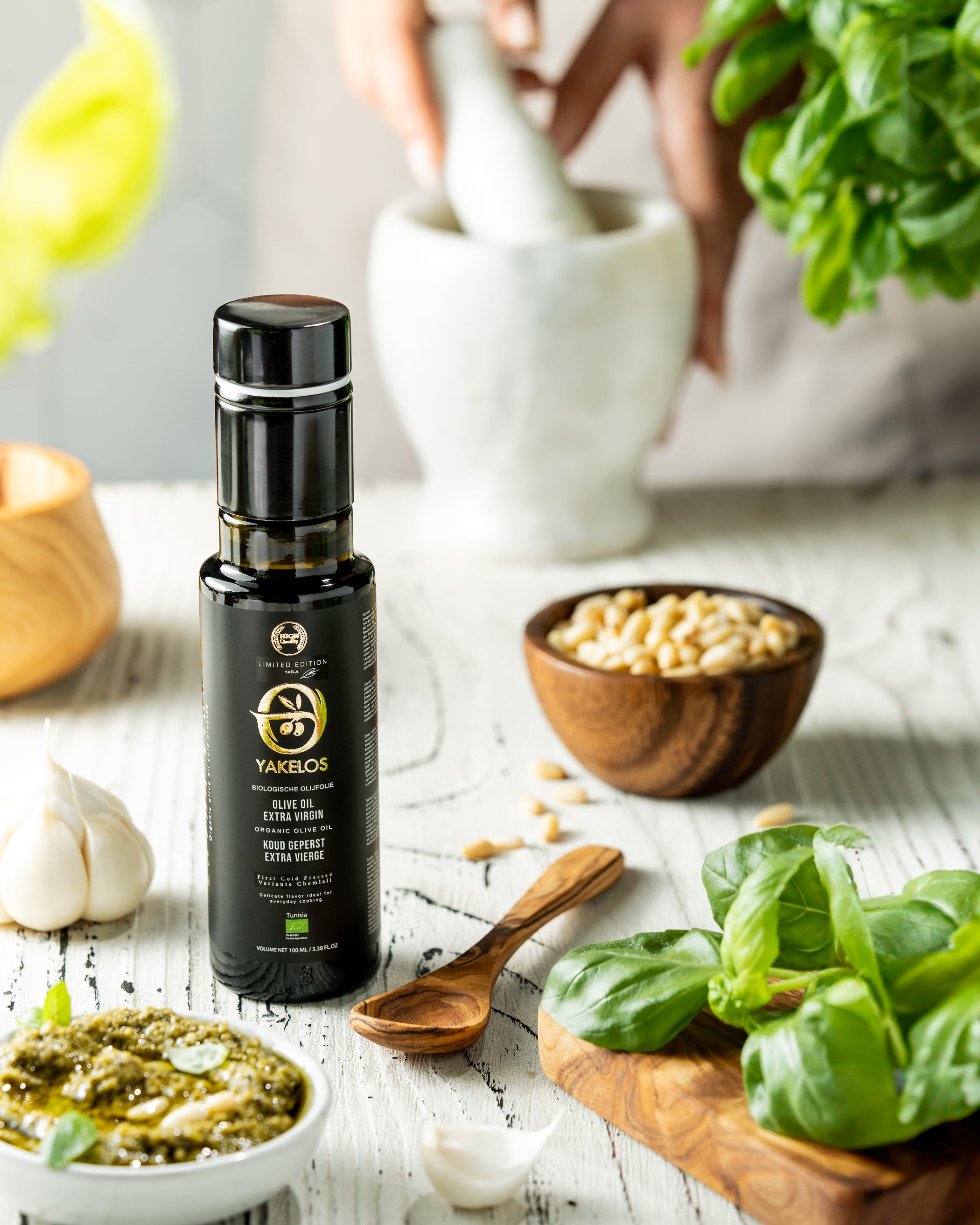
Can you bring olive oil on an airplane? Yes, but mind the container size. Bottles larger than 100 ml (3.4 oz) cannot pass through security in your carry-on bag. If you want to bring a full-sized bottle home from your trip, pack it securely in your checked baggage or purchase it duty-free after security. To prevent leaking suitcases or confiscated bottles, you can also simply order top-quality extra virgin olive oil directly online after your trip.