Information
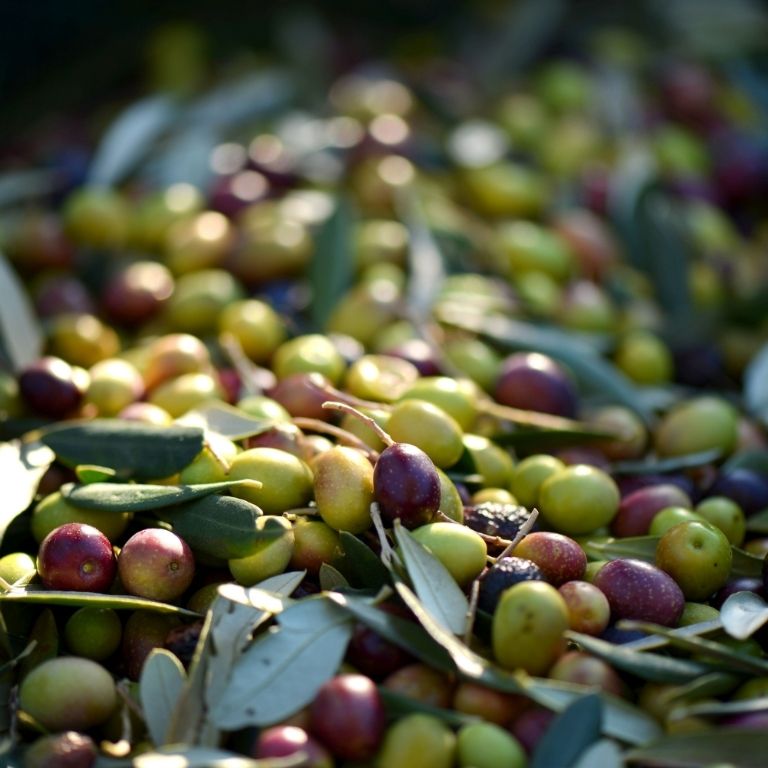
Chemlali: Tunisia’s Resilient Olive
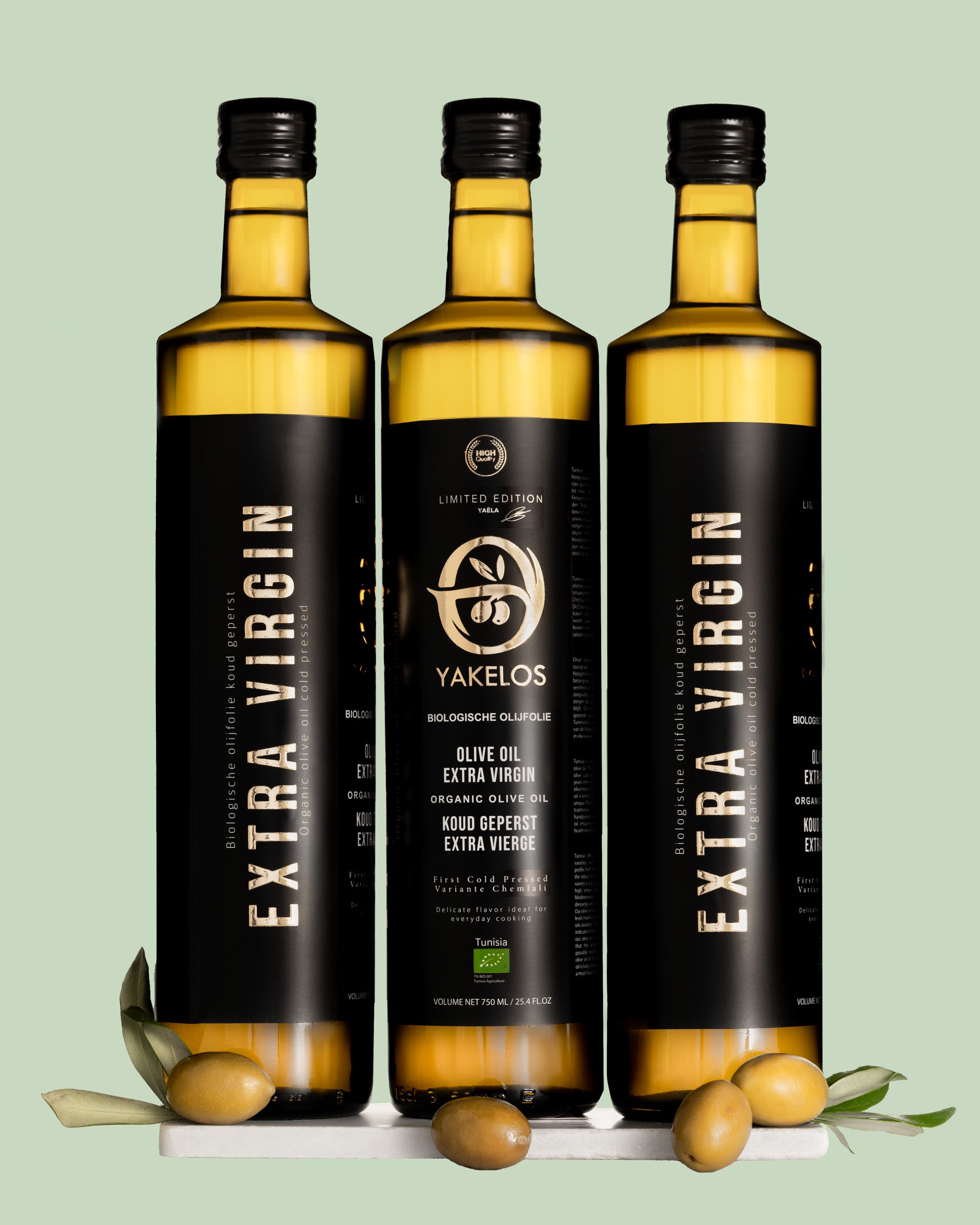
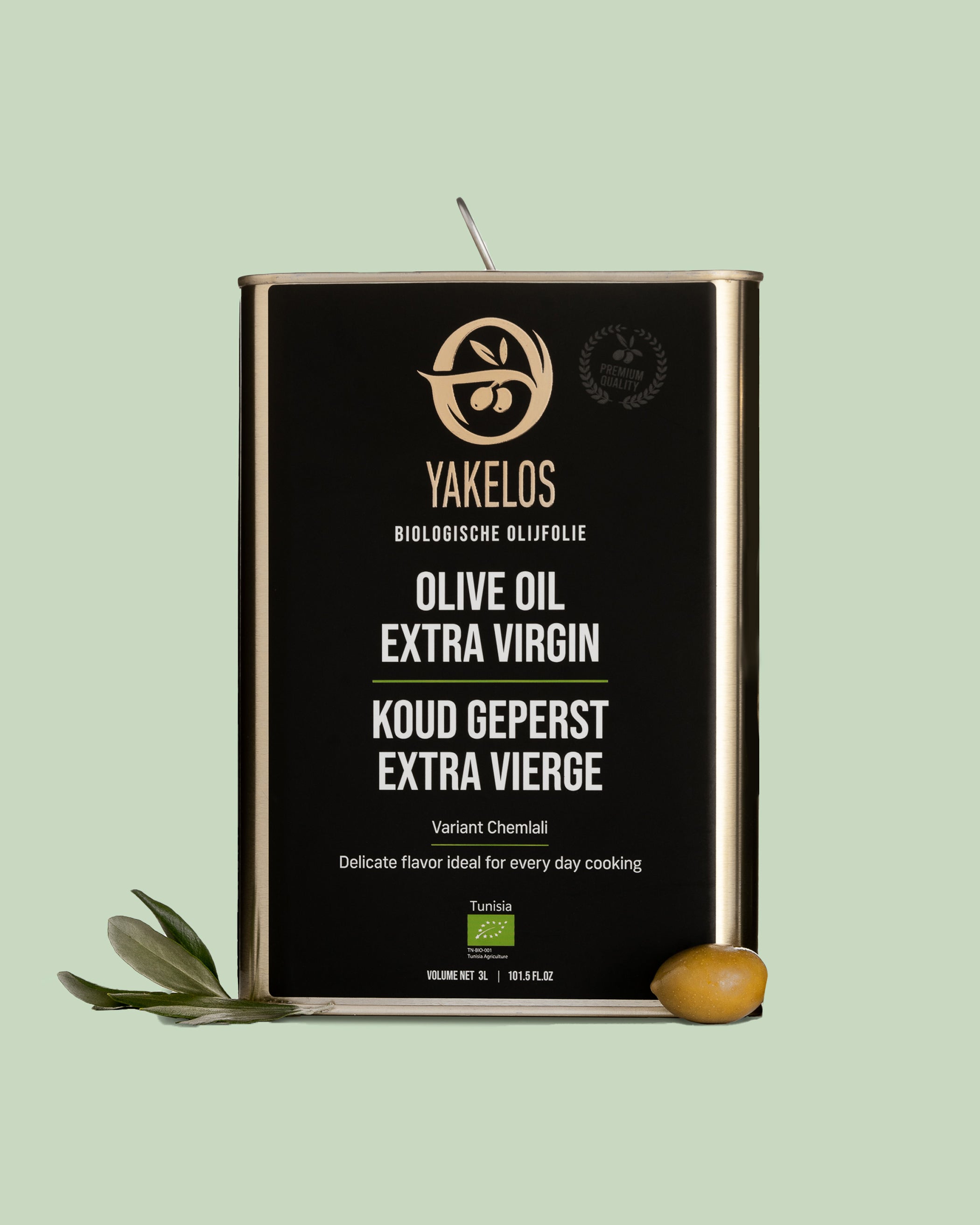
Our olive oil is made from the Chemlali olive — a hardy, flavorful cultivar from the heart of Tunisia.
Naturally adapted to dry, saline conditions, this small olive produces a smooth, mildly fruity extra virgin olive oil with a pleasant bitterness and a subtle peppery finish. Rich in healthy monounsaturated fats (55–59% oleic acid), it’s both delicious and nutritious — perfect for dressings and cold preparations.
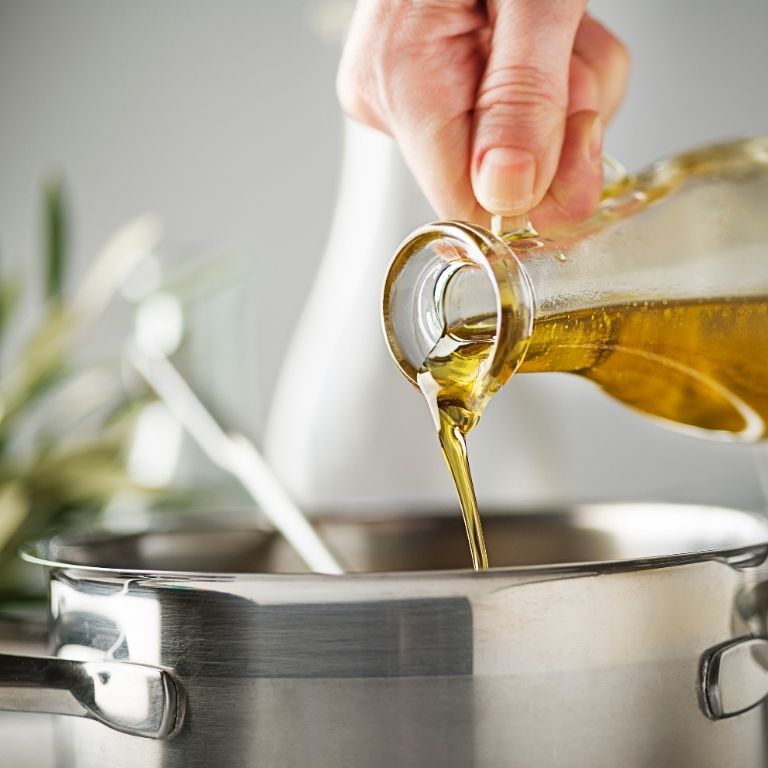
The Rise of Olive Oil Amid Sunflower Shortages
The war in Ukraine has disrupted the supply of sunflower oil, creating shortages across Europe. While manufacturers turn to less healthy oils like palm or coconut, olive oil offers a better alternative. It’s ideal for frying, rich in healthy fats, and even recommended by consumer program Radar. A smart, tasty step toward a healthier Mediterranean lifestyle.
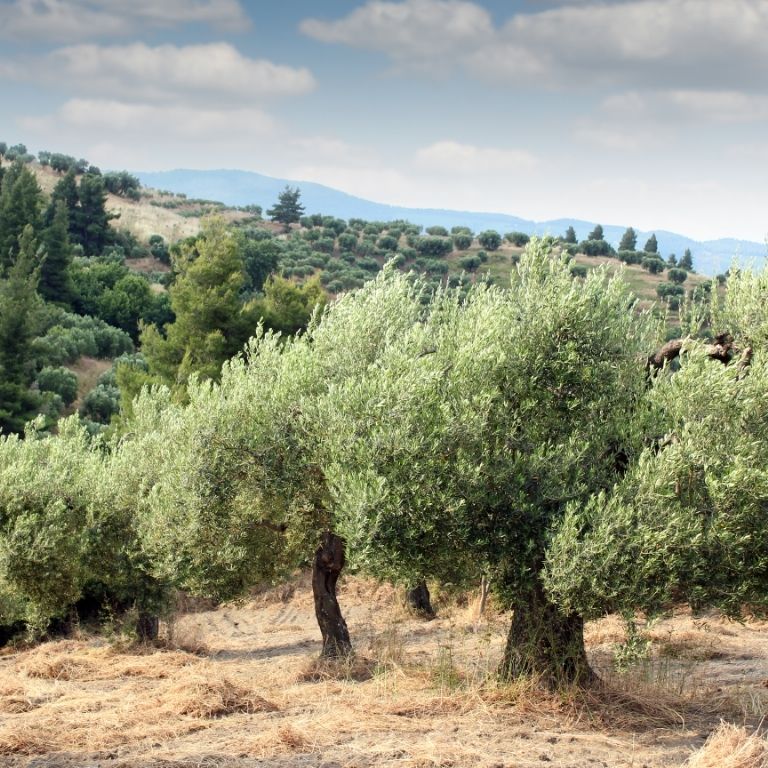
The tragedy of Tunisian olive oil
Discover the hidden truth behind Tunisian olive oil: how major Spanish producers dominate the market, sidelining Tunisian farmers, and how you can support fair, authentic olive oil.
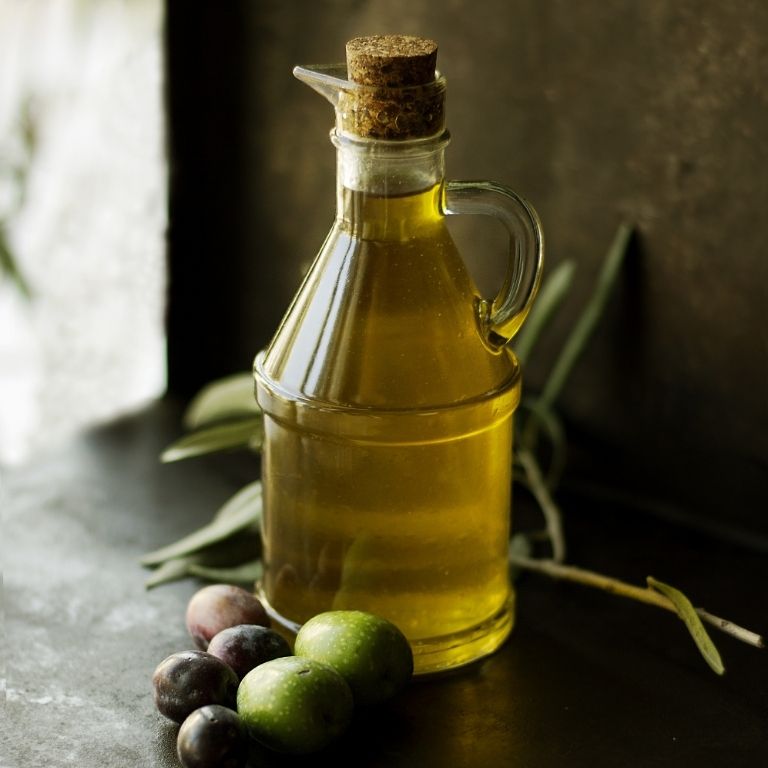
Healthy vs. Unhealthy Fats: What to Use and What to Avoid
Fat often gets a bad reputation, but the truth is more complex. Some fats—like those in olive oil and sunflower oil—are actually good for your heart. These healthy fats help maintain balanced cholesterol levels. On the flip side, too much saturated fat can be harmful, and trans fats should be avoided altogether. By understanding which fats are beneficial and which to limit, you can make better choices for your health—without cutting out fat entirely.
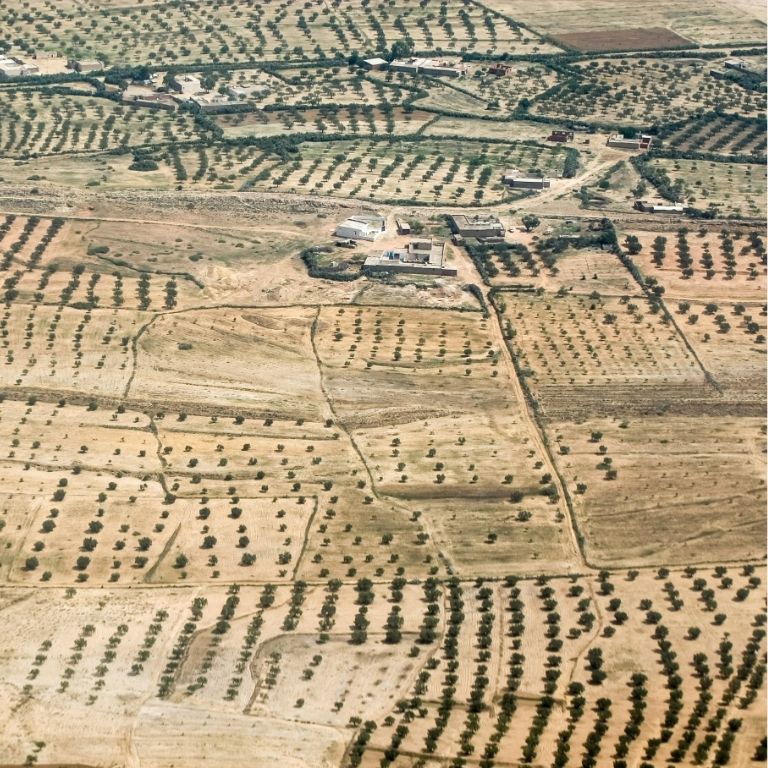
Tunisians and their olive oil
Tunisia: Where Olive Oil Meets Ancient History
Long before Tunisia became known for its beaches, it was home to Carthage, Roman mosaics, and the birthplace of olive oil traditions that still flourish today. Discover the rich heritage behind every drop of our extra virgin olive oil—rooted in centuries of craftsmanship and Mediterranean culture.
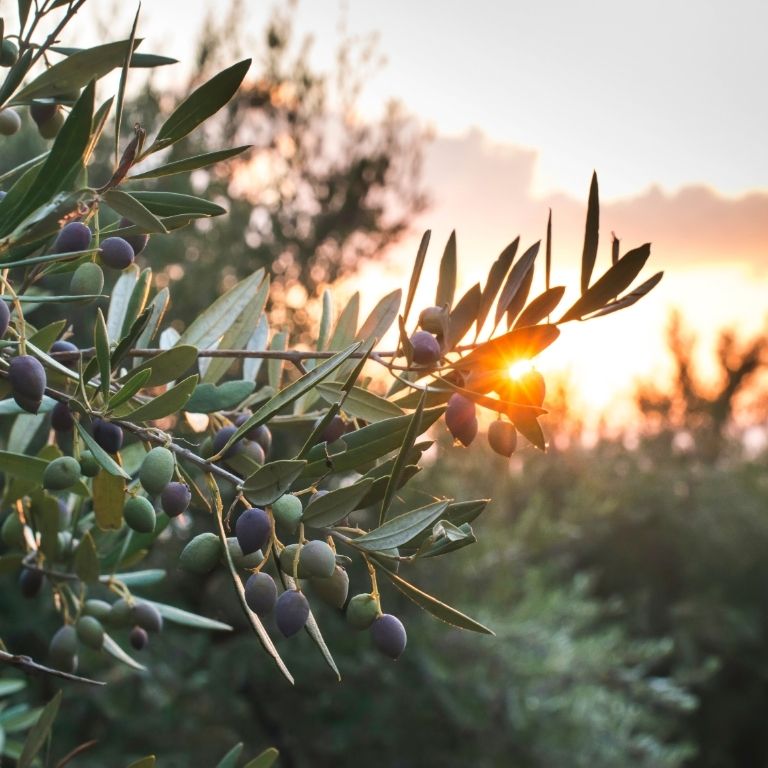
European olives at risk due to drought
Chemlali and the Future of Olive Oil
As climate change and desertification threaten olive production across southern Europe, Tunisia stands out. Its native Chemlali olive tree is remarkably resilient to dry conditions and declining rainfall. While others face uncertainty, Tunisia may offer a sustainable path forward—where tradition and climate resilience meet in every bottle of our olive oil.
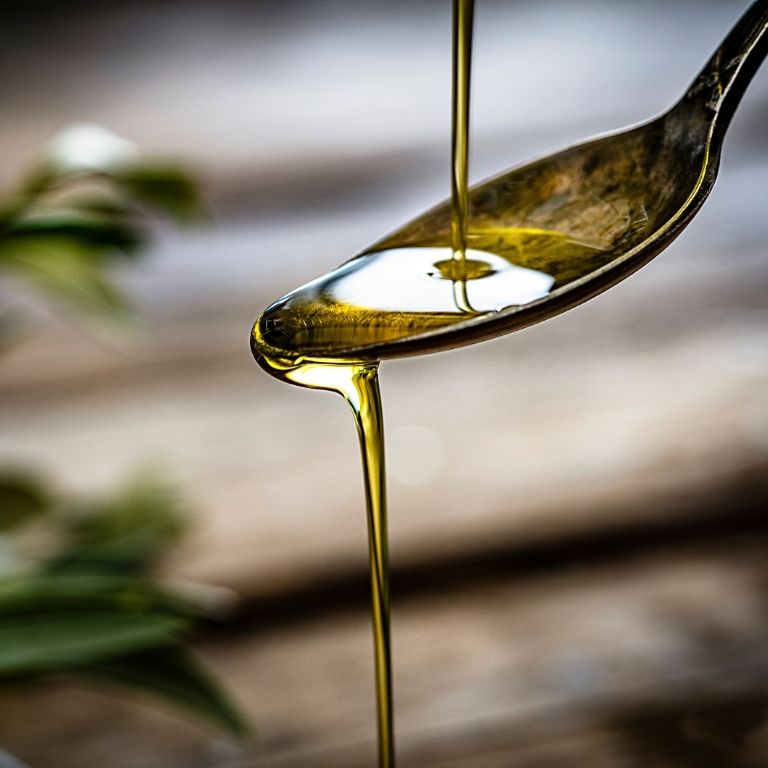
Help, my olive oil has solidified
Cloudy olive oil or flakes in the bottle? That's usually a natural result of cold temperatures and not a sign that the oil has gone bad. Find out why olive oil can solidify in the cold, what filtration does and doesn't do, how to make the flakes disappear easily and how best to store your olive oil.

Why Does Olive Oil Get a NutriScore C?
🫒 Don’t Be Misled by the Label. NutriScore gives olive oil a C—but real science, tradition, and nutrition experts know better. Extra virgin olive oil is full of health-boosting compounds and fits perfectly into a balanced diet. Learn why it deserves a place in every healthy kitchen.

Baking and roasting with olive oil
Extra virgin olive oil is perfect for baking and roasting thanks to its high smoke point, which exceeds typical cooking temperatures. Scientific studies show it produces fewer harmful compounds when heated and preserves its healthy fats and antioxidants. This makes it both a safe and nutritious choice for cooking. Using premium extra virgin olive oil enhances the flavor and health benefits of every meal.

Olive oil and Oleocanthal

Olives in the bath