

Olive oil on an empty stomach has become a familiar morning ritual on social media: one spoon before breakfast, promised to work wonders. Is there truth behind the daily spoon of olive oil trend, or is it another claim that does not hold up? This article weighs the evidence calmly. The short answer: total daily intake matters more than the exact hour you take it.
In short:
- 120 kcal in one tablespoon of olive oil
- 0.2 to 0.4% acidity of Yakelos oil, well under the 0.8% extra virgin limit
- 20 g daily intake tied to the EU polyphenol health claim
What taking a spoon of olive oil on an empty stomach means
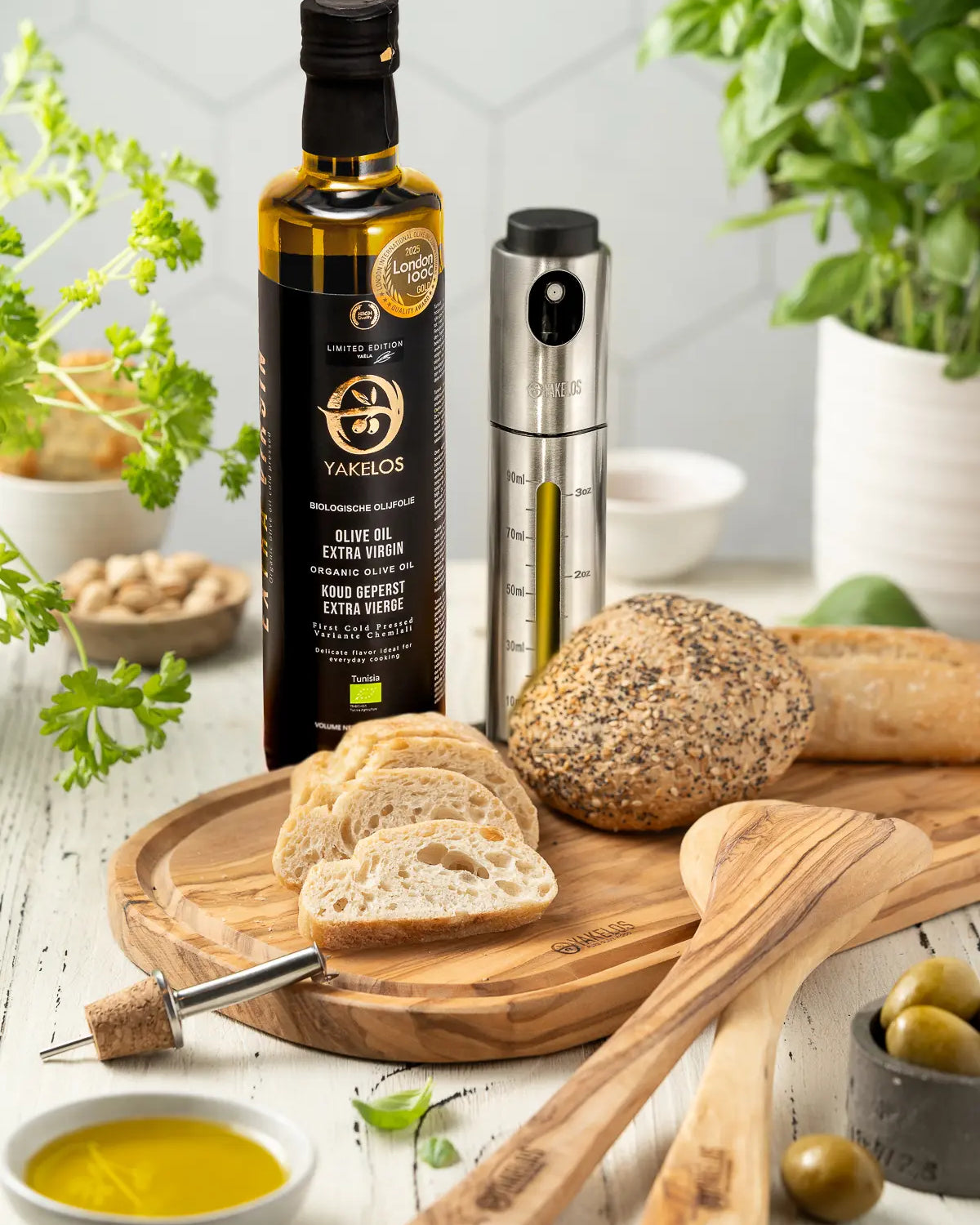
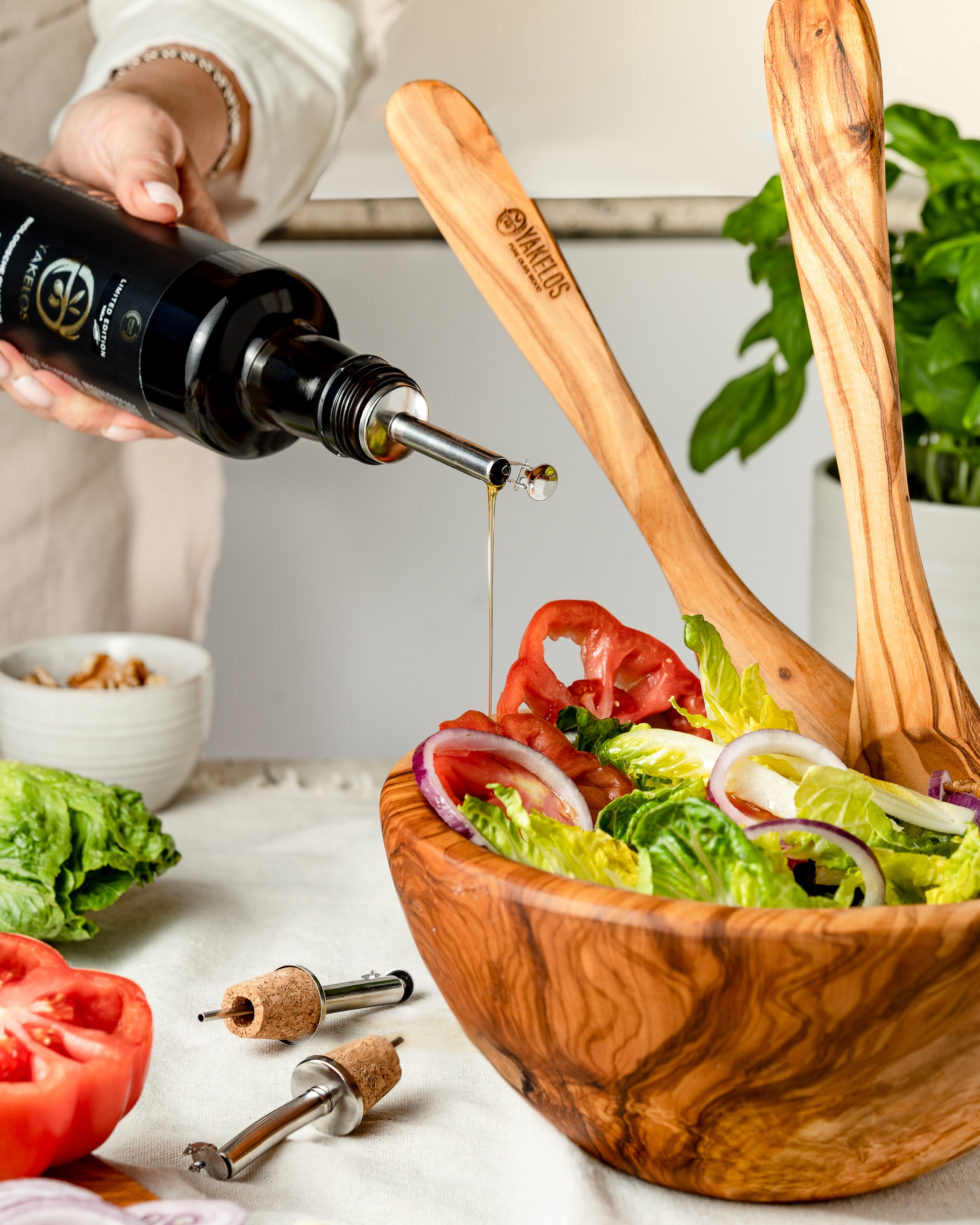
Picture a bottle standing next to the kettle, ready before the toast goes in. The habit means taking one to two tablespoons of raw extra virgin olive oil, usually first thing in the morning, before any food.
It traces back to the Mediterranean diet, where olive oil replaces butter or margarine rather than sitting alongside them as an extra. Some people add a squeeze of lemon, purely for taste, not for any extra effect.
Does the empty stomach timing add anything?
Does taking olive oil on an empty stomach actually work better than taking it with a meal? There is no scientific evidence that it does. The compounds responsible for its benefits, the polyphenols, are absorbed whether your stomach is empty or full.
The daily total matters far more than the hour on the clock when you take it.
The benefit linked to a lower cardiovascular risk, as research on daily olive oil intake suggests, comes from total daily intake, not the exact moment. Food containing fat also helps the body absorb vitamins A, D, E and K.
So if you are wondering whether olive oil is healthy enough to make a habit of, the answer is yes, as part of your overall diet. Just pick a moment you can stick to.
What to watch out for
A large amount of raw oil on an empty stomach can hit your system harder than expected. It may strongly stimulate the gallbladder and the bowels, which sometimes brings on a laxative effect or mild nausea.
Olive oil is also a liquid fat, roughly 120 kcal per tablespoon, so it works best replacing other fats rather than adding to them. If you take blood thinners or have gallbladder problems, speak to a doctor before starting.
For a fuller picture, see the disadvantages of olive oil.
Benefits of the morning oil habit
- Fits naturally into a Mediterranean eating pattern
- Easy habit to build into a daily routine
- Raw oil keeps its polyphenols intact
Things to watch
- Possible laxative effect or nausea in large amounts
- Calorie dense at roughly 120 kcal per tablespoon
- Not ideal with blood thinners without medical advice
- Check with a doctor if you have gallbladder issues
How much olive oil per day is sensible?
Think of a tablespoon as your basic measure. One to two tablespoons a day suits most people and fits comfortably within normal total fat intake.
The EU polyphenol health claim is tied to a daily intake of 20 grams of olive oil, roughly two tablespoons. For more on amounts, two tablespoons of olive oil a day is a useful benchmark to read.
Tip from Yakelos: start with a single teaspoon of oil and build up over a week. That gives your palate time to adjust to a gentle peppery finish, so the habit sticks rather than putting you off.
Why quality matters when you take it raw
Raw use leaves nowhere to hide. Any harshness or dull flavour shows up at once, which is why a genuine organic extra virgin olive oil with a named origin and a recent harvest matters here.
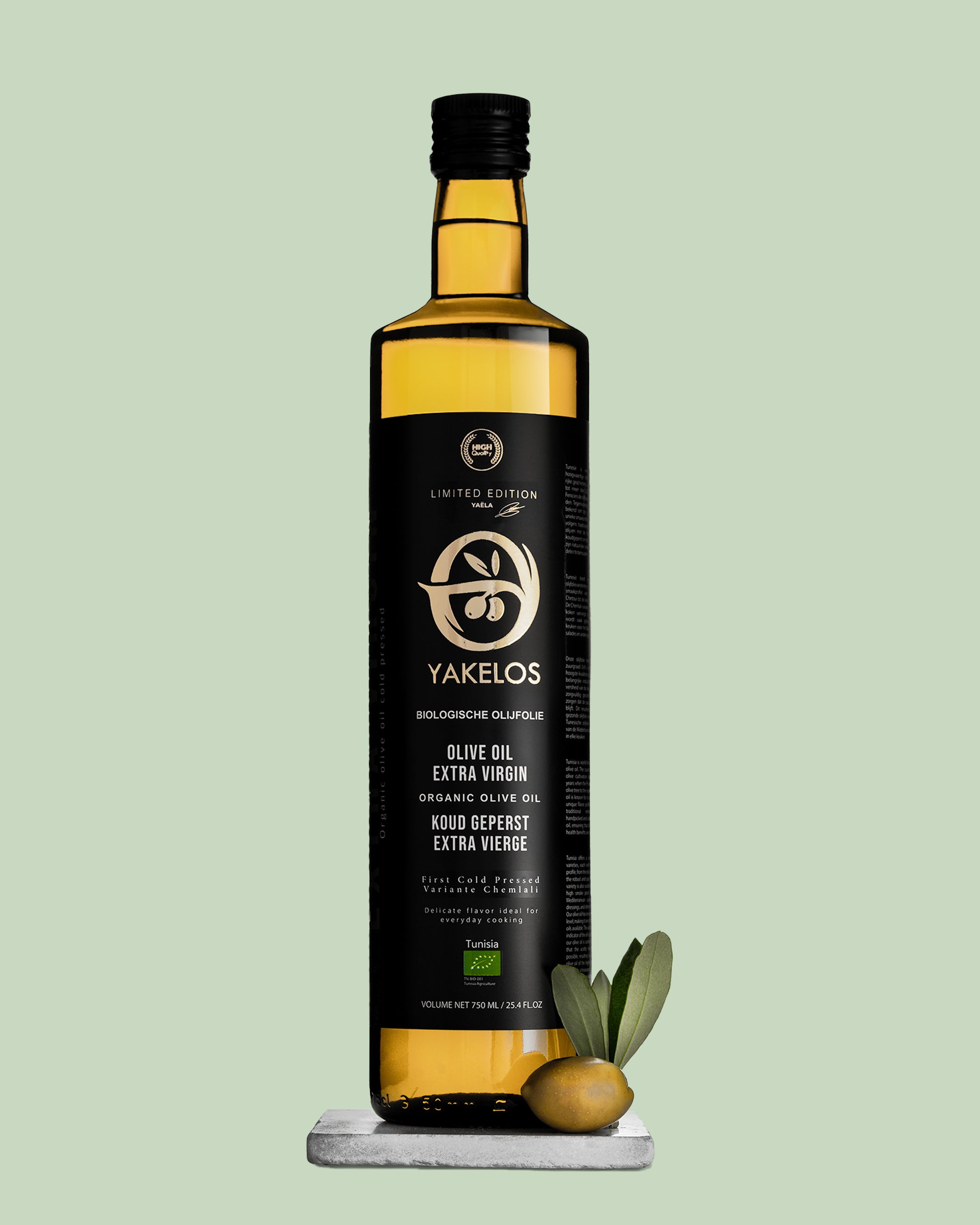
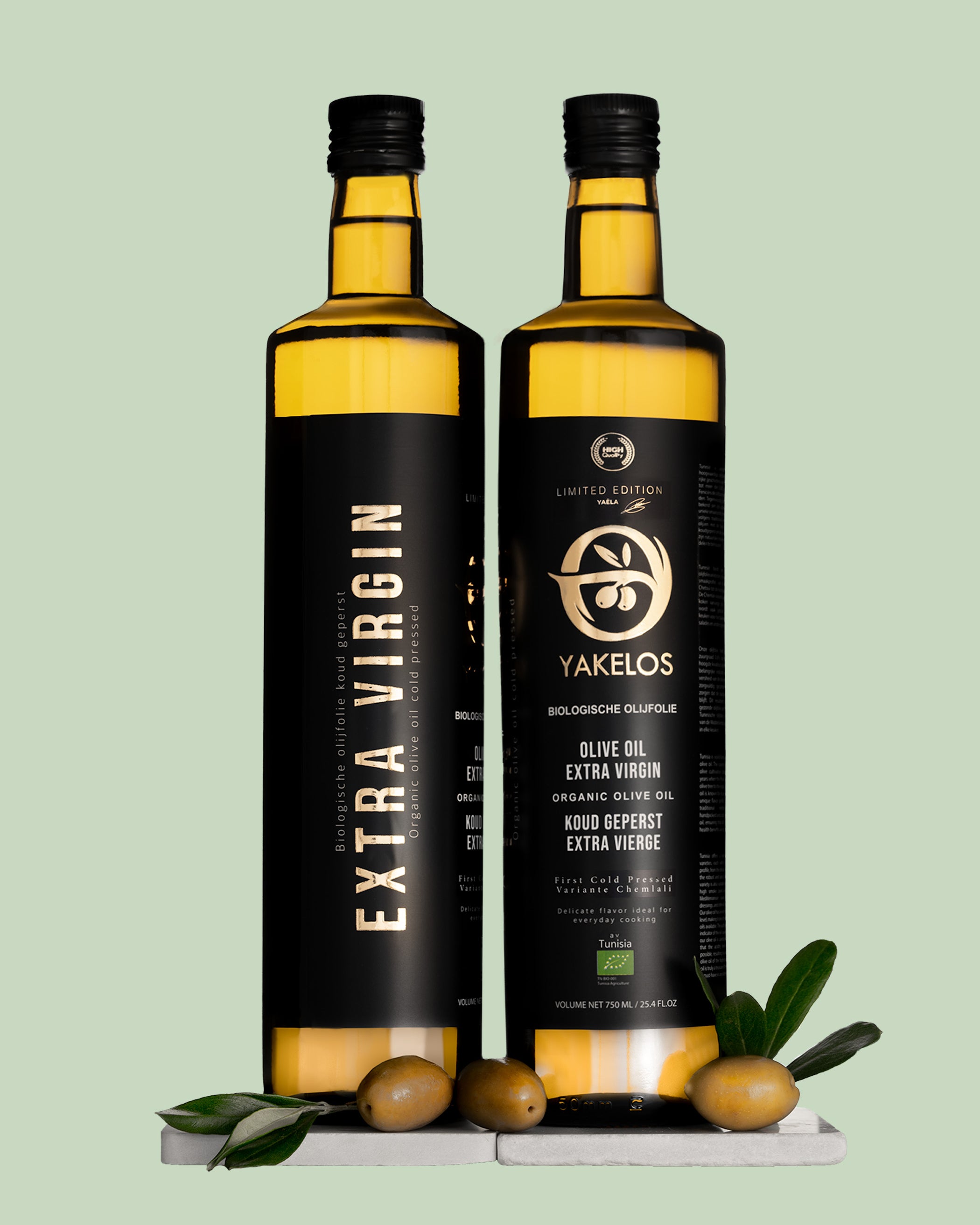
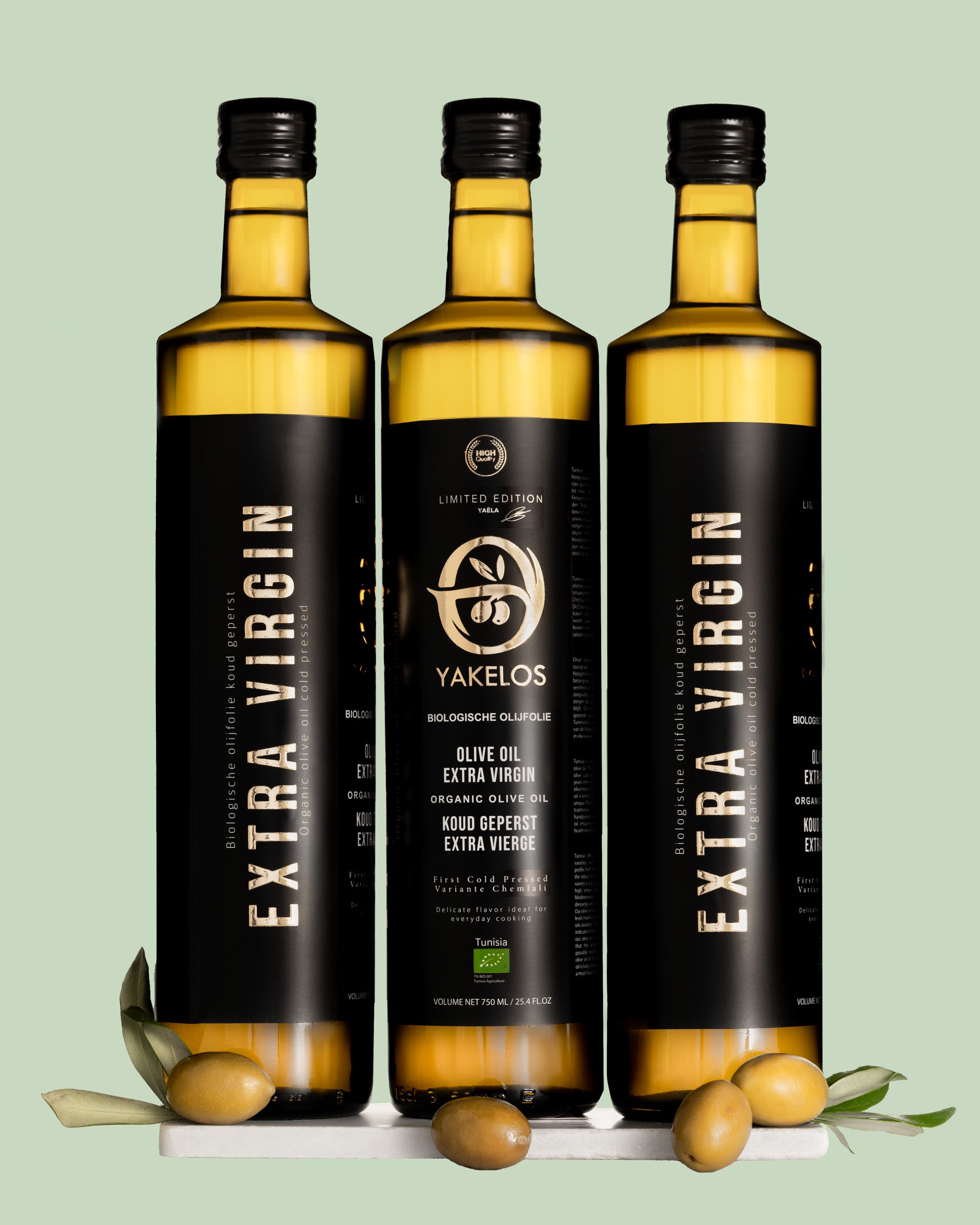
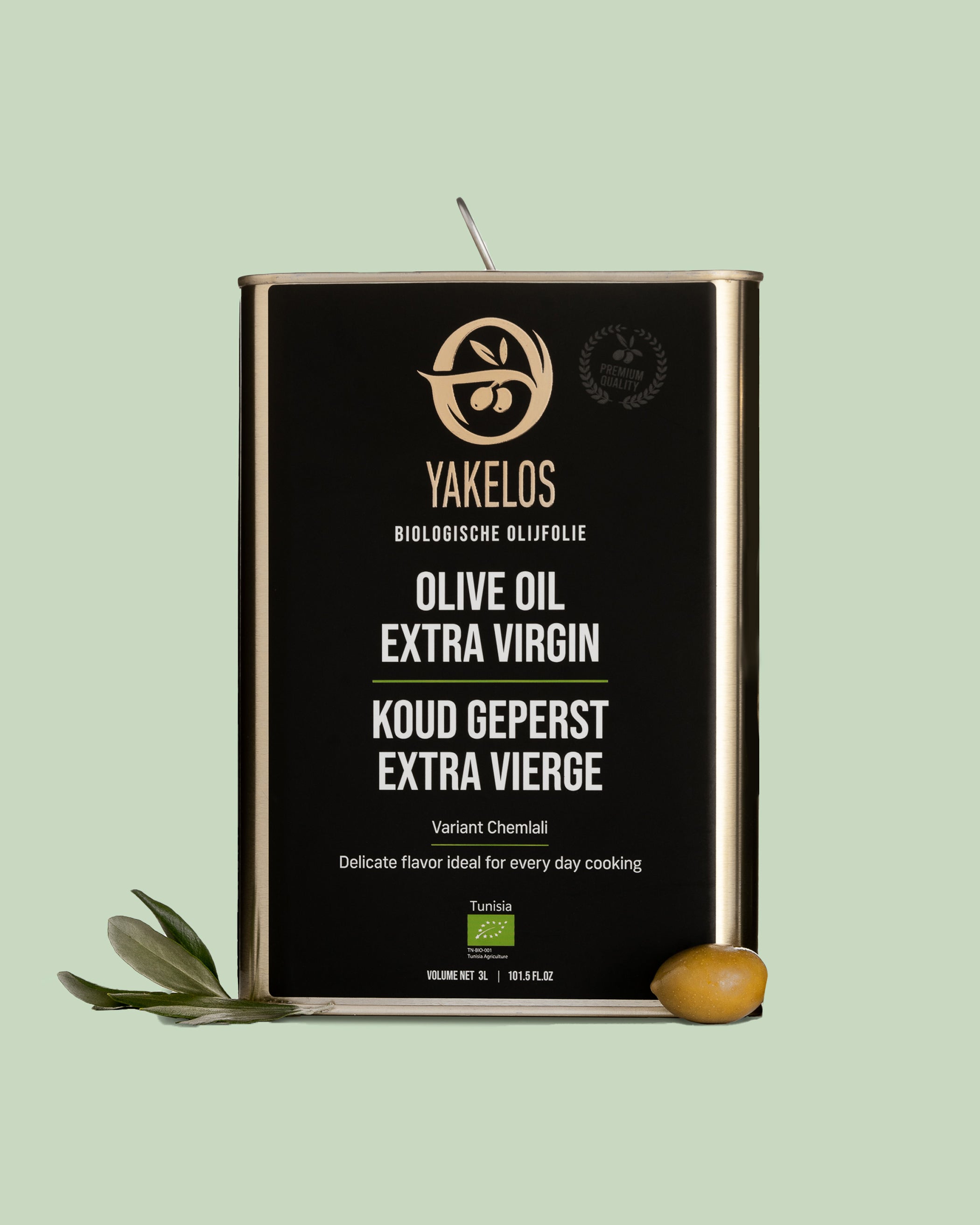
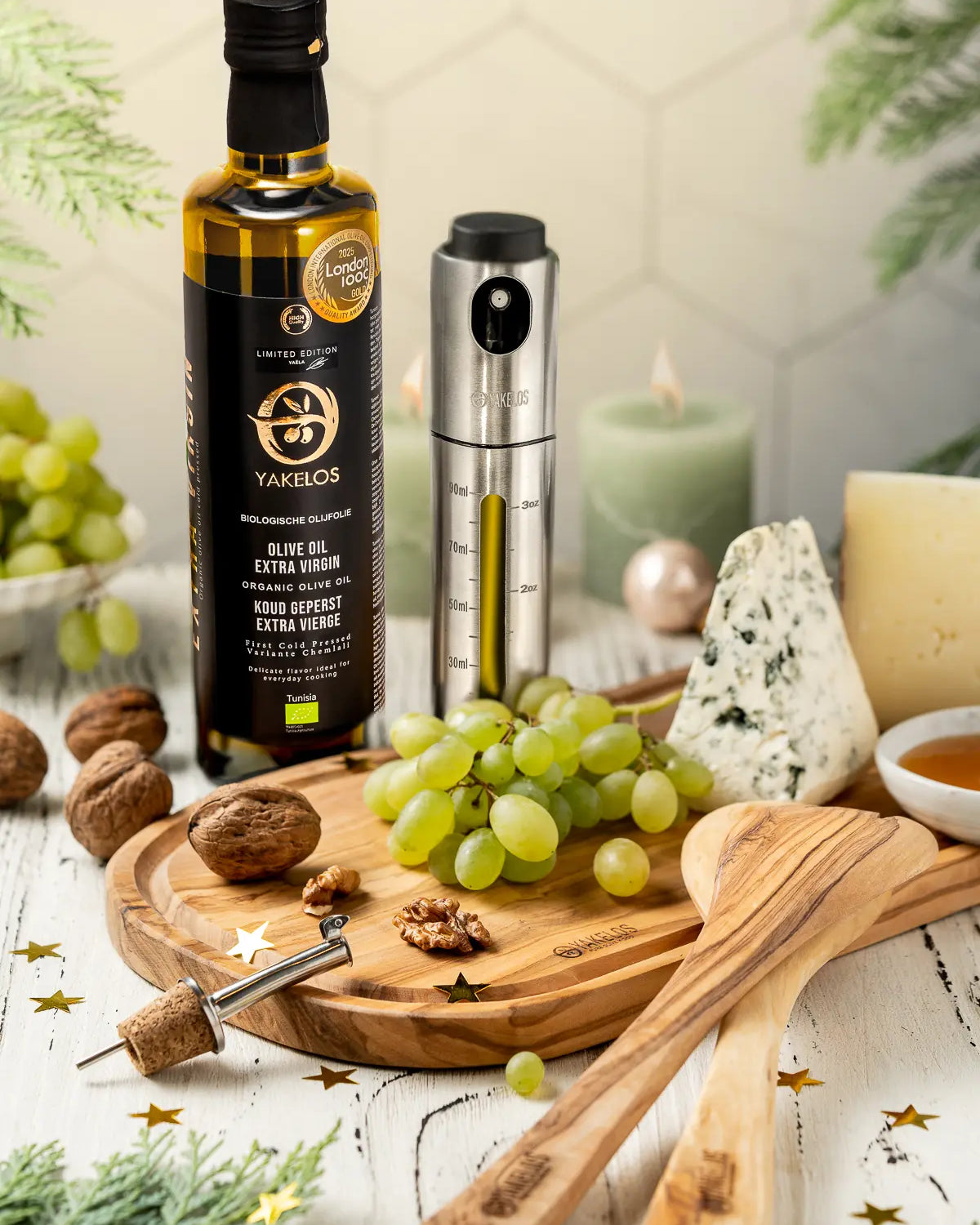
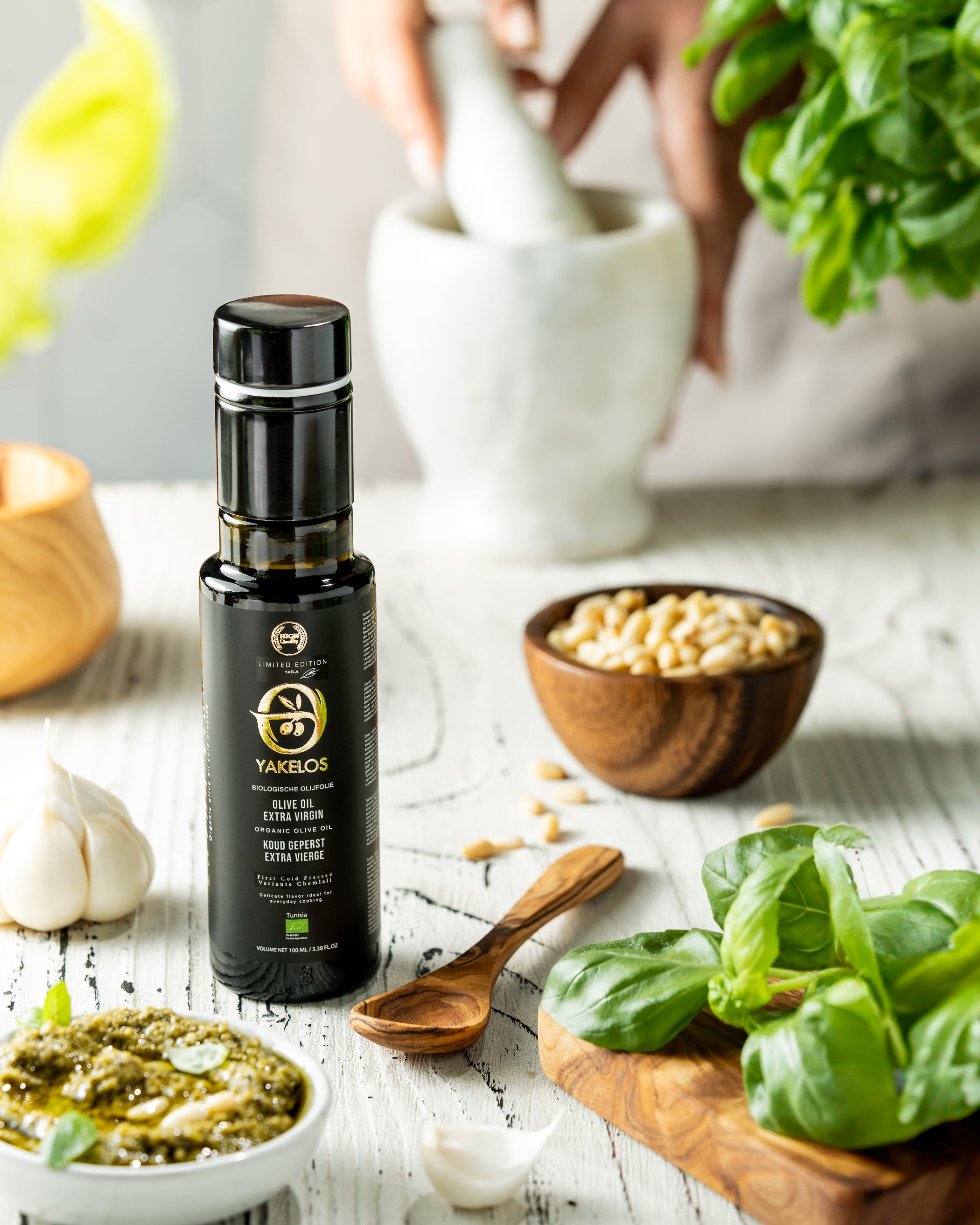
Yakelos, for example, is a single variety Chemlali oil from central Tunisia, cold processed below 27 degrees within hours of picking. An acidity of 0.2 to 0.4 percent, well under the 0.8 percent ceiling for extra virgin, points to olives pressed quickly rather than stored for weeks.
Yakelos organic extra virgin olive oil specifications
- Olive variety: Chemlali, a single variety
- Origin: central Tunisia
- Acidity: roughly 0.2 to 0.4%
- Processing: cold, below 27 degrees, within hours of harvest
- Certification: SKAL and EU Organic
- Blends or additives: none
That peppery catch at the back of your throat is not a flaw. It is a sign the polyphenols are still present.
Try a small bottle before committing
Not sure the habit is for you yet? A full bottle is a big commitment if you are only testing the waters.
Want to try it raw before buying more?
The olive oil trial box lets you taste the oil properly before committing to a larger bottle. Orders placed before 16:00 ship the same day, and you get 30 days to try it with your money back if it is not for you.
The bottom line on olive oil and an empty stomach
Taking olive oil on an empty stomach is not magic, and it is not harmful either, within reason. The timing makes little difference. What counts is taking one to two tablespoons of a genuine extra virgin oil as part of your daily pattern.
Build up gradually, mind the calories, and choose an oil you would be happy to taste on its own. That is where quality earns its price.
Frequently asked questions about olive oil on an empty stomach
Is it good to drink a glass of olive oil?
No, a whole glass is far too much. One to two tablespoons is a sensible daily amount, as larger quantities add many calories and can easily upset your stomach.
What does a spoon of olive oil do to your body?
It supplies monounsaturated fat and polyphenols, compounds linked to several health benefits. A single spoon alone does little. The benefit comes from taking it regularly, as part of your daily diet.
How much olive oil helps with constipation?
There is no fixed dose. For some people a tablespoon mildly stimulates the bowels, but this varies, so build up slowly rather than taking a large amount at once.
How long should you wait before eating?
Many people wait around 30 minutes before breakfast. This is a personal routine rather than a proven requirement, so there is no need to time it precisely.
Does olive oil with lemon do anything special?
Not really. Lemon mainly balances the taste and makes the oil easier to take on its own, which is a flavour choice rather than a treatment.
Can I use cheap supermarket olive oil for this?
You can, but the quality will be noticeable when taken raw. Look for a genuine extra virgin oil with low acidity, a named origin and a recent harvest.
If other questions come to mind, Yakelos keeps a fuller list of answers in the olive oil FAQs.